

The Best Books of 2026 So Far
Each week, our editors and critics choose the most captivating, notable, brilliant, surprising, absorbing, weird, thought-provoking, and talked-about reads. Check back every Wednesday for new fiction and nonfiction recommendations.
By The New YorkerThe Best Books of 2026 So Far
All Books
Nonfiction
Fiction & Poetry
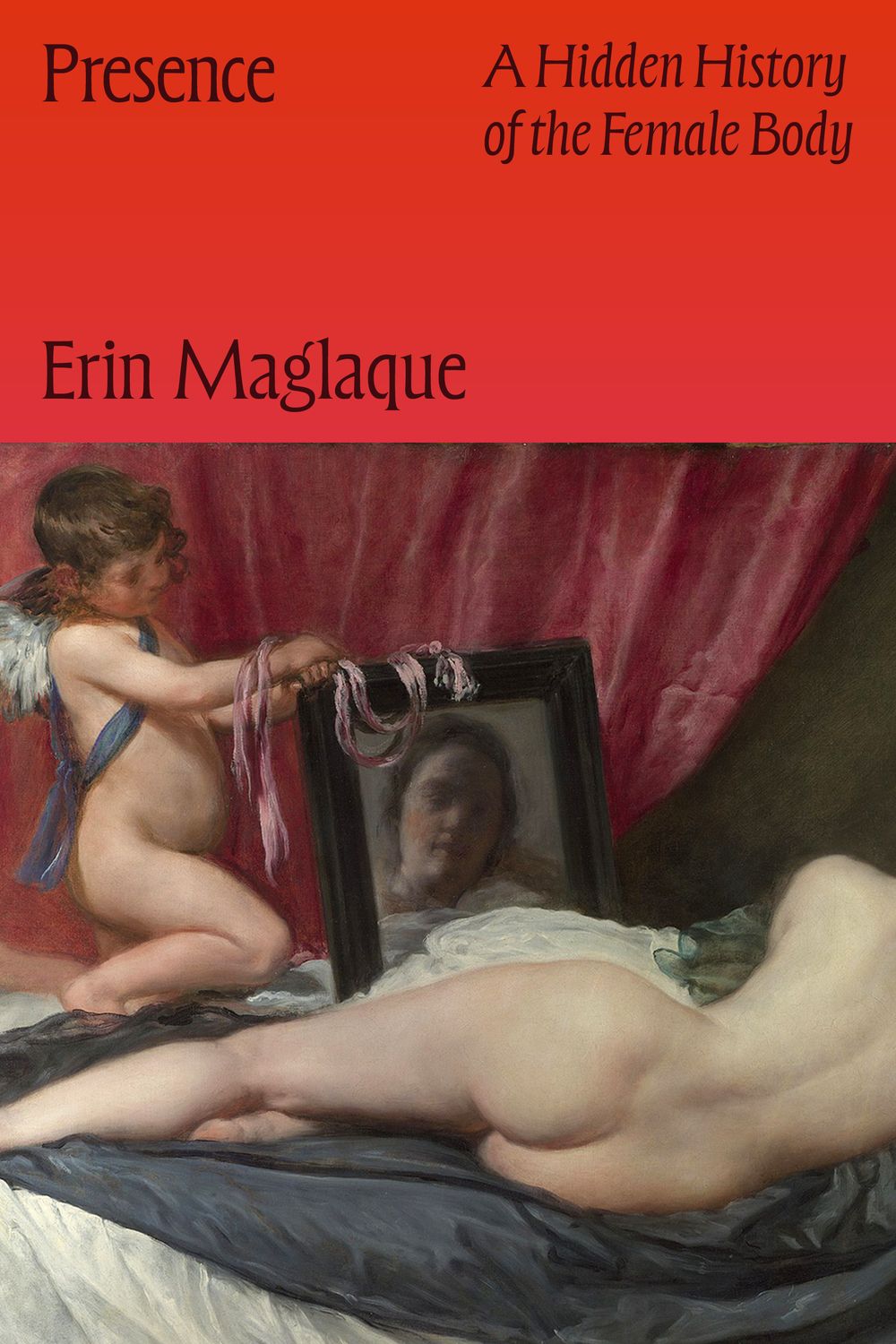
Presence
by Erin Maglaque (Astra)NonfictionThis “hidden history of the female body” reveals the ways that natural processes, such as giving birth, have been shaped by changing medical beliefs and social arrangements. Drawing on physicians’ casebooks, midwifery manuals, household recipe collections, court testimonies, private letters, and more, Maglaque constructs a kind of organic catalogue raisonné, indexing women’s experiences of their bodies from the fifteen-hundreds to the eighteen-hundreds. Her account is assembled from sharp examples. The “supposedly simple and natural gesture” of breast-feeding, for instance, came to be ruled by a “coarse moralism” in the eighteenth century, when the act “became the primary scene of sentimental motherhood: done out of a strictly defined maternal love” rather than as paid work.

The Shampoo Effect
by Jenny Jackson (Pamela Dorman)FictionAt the outset of this chatty novel, the protagonist, Caroline, who was recently ghosted by a thoughtless man, has had a story published in this magazine. In an uncharacteristically impulsive move, she decides to quit her job and write full time. Because her mother is a successful writer—and likely a narcissist—the decision is a complicated one. But soon Caroline finds herself at a seaside residency in Massachusetts, where she falls in love with a local. As she gets to know his childhood friends, whom Jackson renders vividly, further complications mount; one of the group, it emerges, is pregnant with his child. The novel is ultimately a study of the season in life when friendships are tested by growing families and by the realization of ambition.
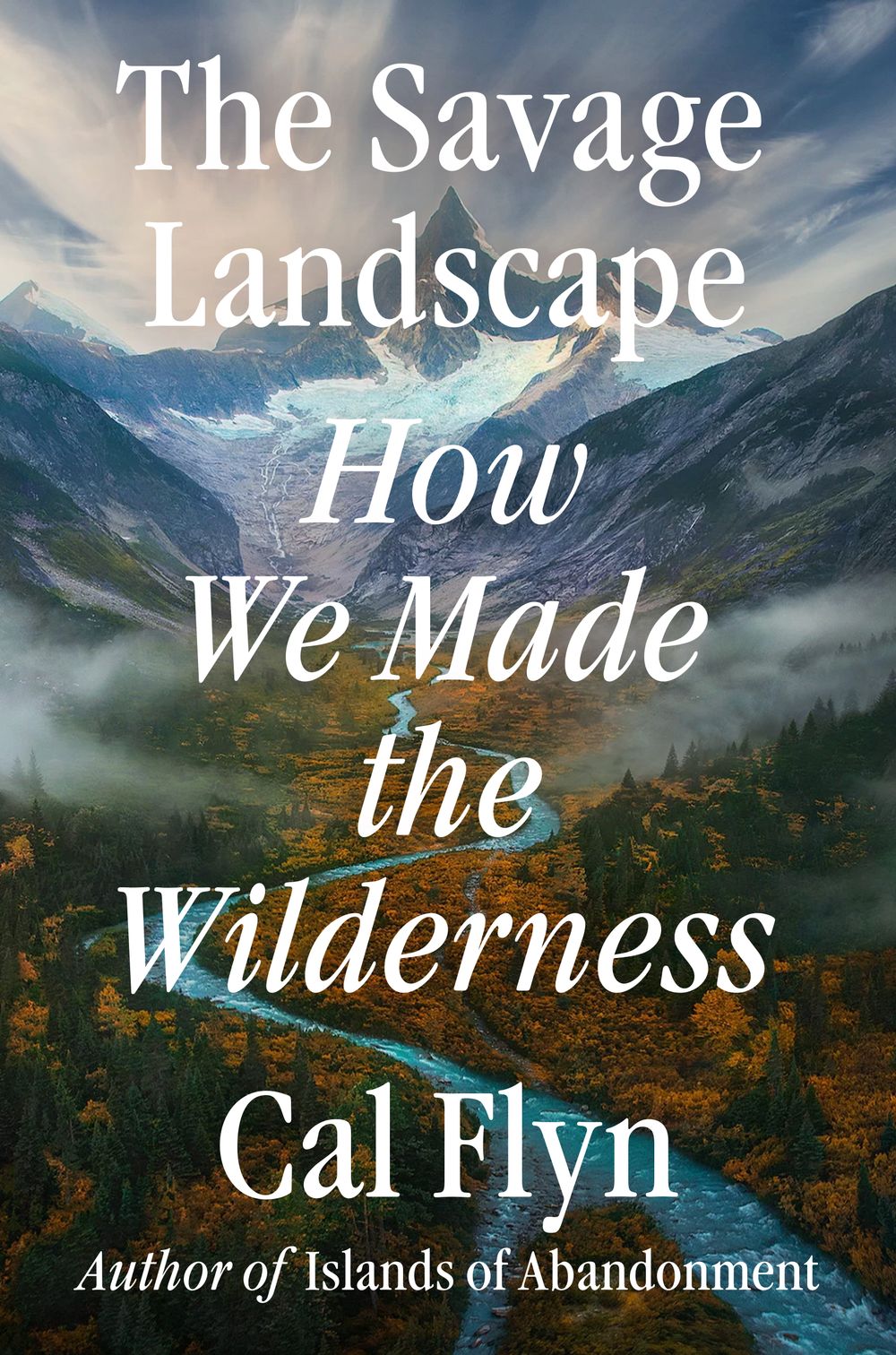
The Savage Landscape: How We Made the Wilderness
by Cal Flyn (Viking)NonfictionWhat does it mean for something to be considered “wilderness” in a world saturated by human intervention? Searching for answers, Flyn travels to various remote sites—including the Transylvanian Alps; the Niassa Special Reserve, in Mozambique; and the Southern Ocean, near Antarctica—journeys that lead her to conclude that wilderness is “a negative definition, an absence.” For one thing, wild places are increasingly threatened by the trophy-hunting industry, scientific study, and corporate exploitation. But, for another, Flyn argues, wilderness is about being able to “open oneself to the immensity of all existence, all creation, all of everything.”

When you make a purchase using a link on this page, we may receive a commission. Thank you for supporting The New Yorker.


Last Week’s Picks
 From Our Pages
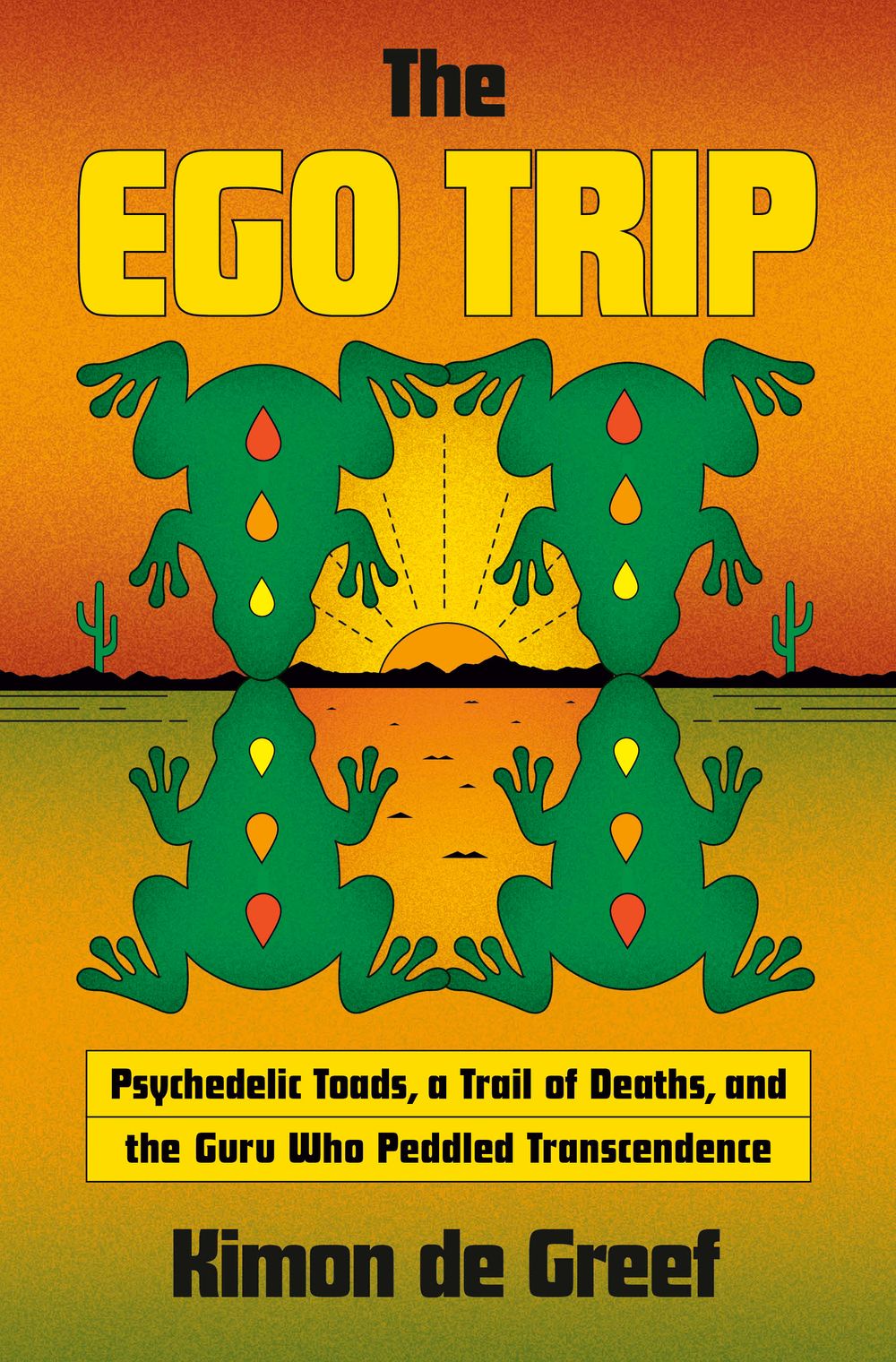
The Ego Trip
by Kimon de Greef (Doubleday)
Queen Mab
by Emily McBride (Farrar, Straus & Giroux)FictionMadeleine is a “promising” twenty-three-year-old graduate student who decides, to the shock of other academic women in her life, to have a baby. (“They all say congrats, by the way, and better you than them,” one colleague says.) The body horror of birth gives way to the fairy-tale horror of early motherhood, which McBride, a translator based in Barcelona, strews with literary Easter eggs from folktales and Victorian poetry. Is the baby really a baby, or has it been replaced by a changeling? Is Madeleine still herself, or has she been stolen away, too? Can her husband be trusted? The result is an agile, unsettling novel about the unwinding of a mind, set in a world of women who view motherhood as a curious affectation.
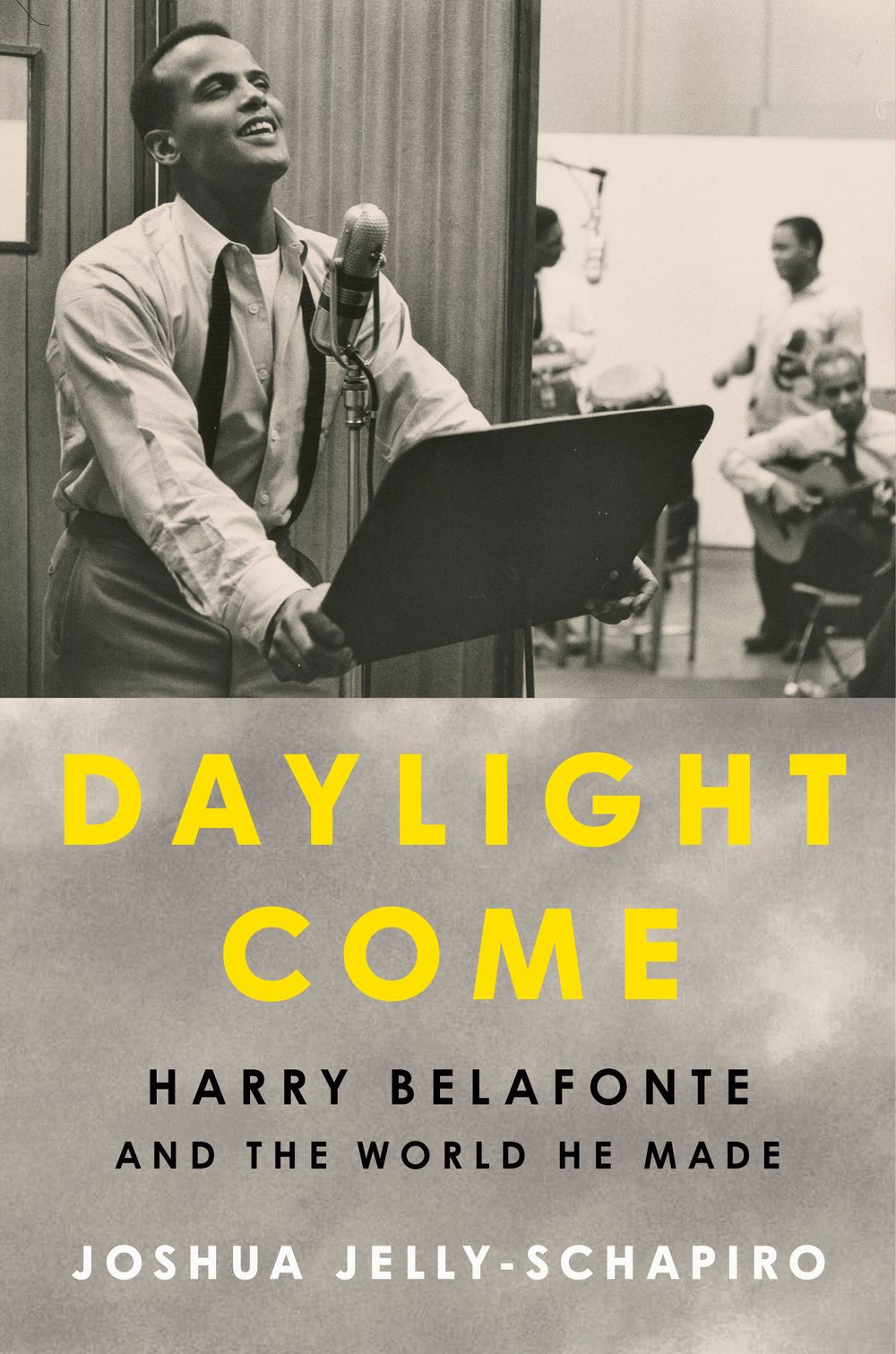
Daylight Come
by Joshua Jelly-Schapiro (Penguin Press)NonfictionThis biography of Harry Belafonte, who died in 2023, paints the singer and civil-rights activist as “our first post-racial pop star.” In his music, Belafonte sought to honor his Caribbean heritage—he was born in Harlem to Jamaican parents in 1927—without being reduced to a mere exotic persona. Throughout his career, he merged his work as an entertainer with his political convictions (he refused to perform in segregated venues, for instance), a pursuit that required him to square his fame “with his anger at the society that gave it to him.” Jelly-Schapiro draws on a range of sources, including conversations with Belafonte, presenting a portrait of a formidable figure who, as Belafonte’s son puts it, “was serving two families: us and the family of Man.”
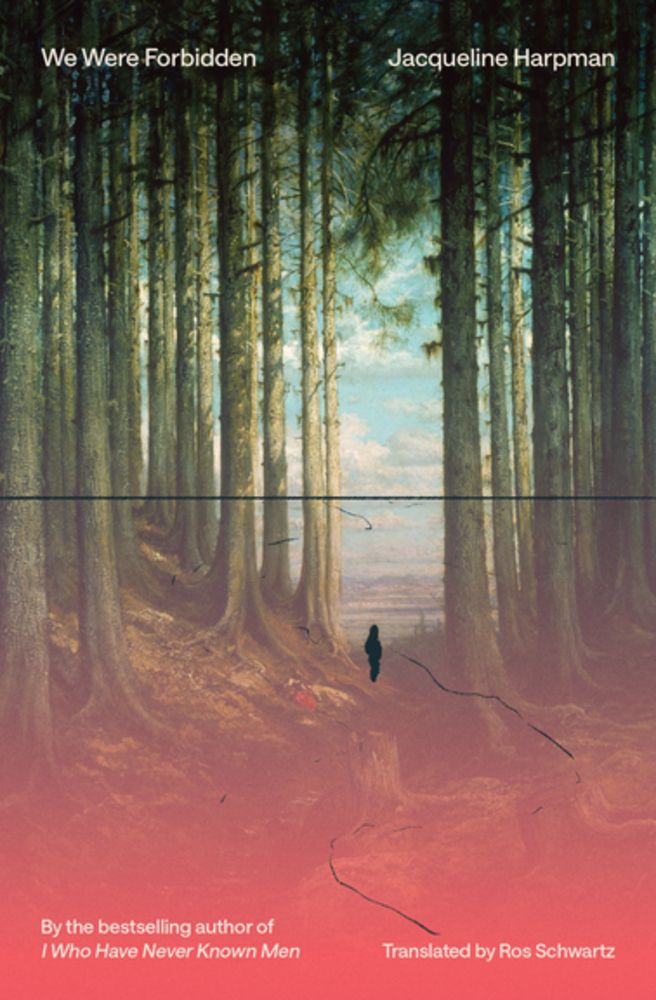
We Were Forbidden
by Jacqueline Harpman, translated from the French by Ros Schwartz (Transit)FictionIn “The Ardennes Forest,” one of the three newly translated stories in “We Were Forbidden,” male and female soldiers rove aimlessly through the woods, unsure whether they’re still at war. The story’s dreamlike, surreal style permits few identifying markers; we never find out what conflict the characters have stumbled into, only that they await the activation of their “post-hypnotic orders.” “The Outcast” similarly circles feelings of entrapment, disorientation, and exile: its narrator is unkind to a hypocritical classmate at her French school in Morocco, and her teachers punish her with forty days of “ostracization,” during which no one speaks to her and she doesn’t speak to anyone. The gem of the collection is its longest story, “The Broom Closet,” an arch, light-fingered, and very funny exploration of the relationship between fantasy and fiction-making.
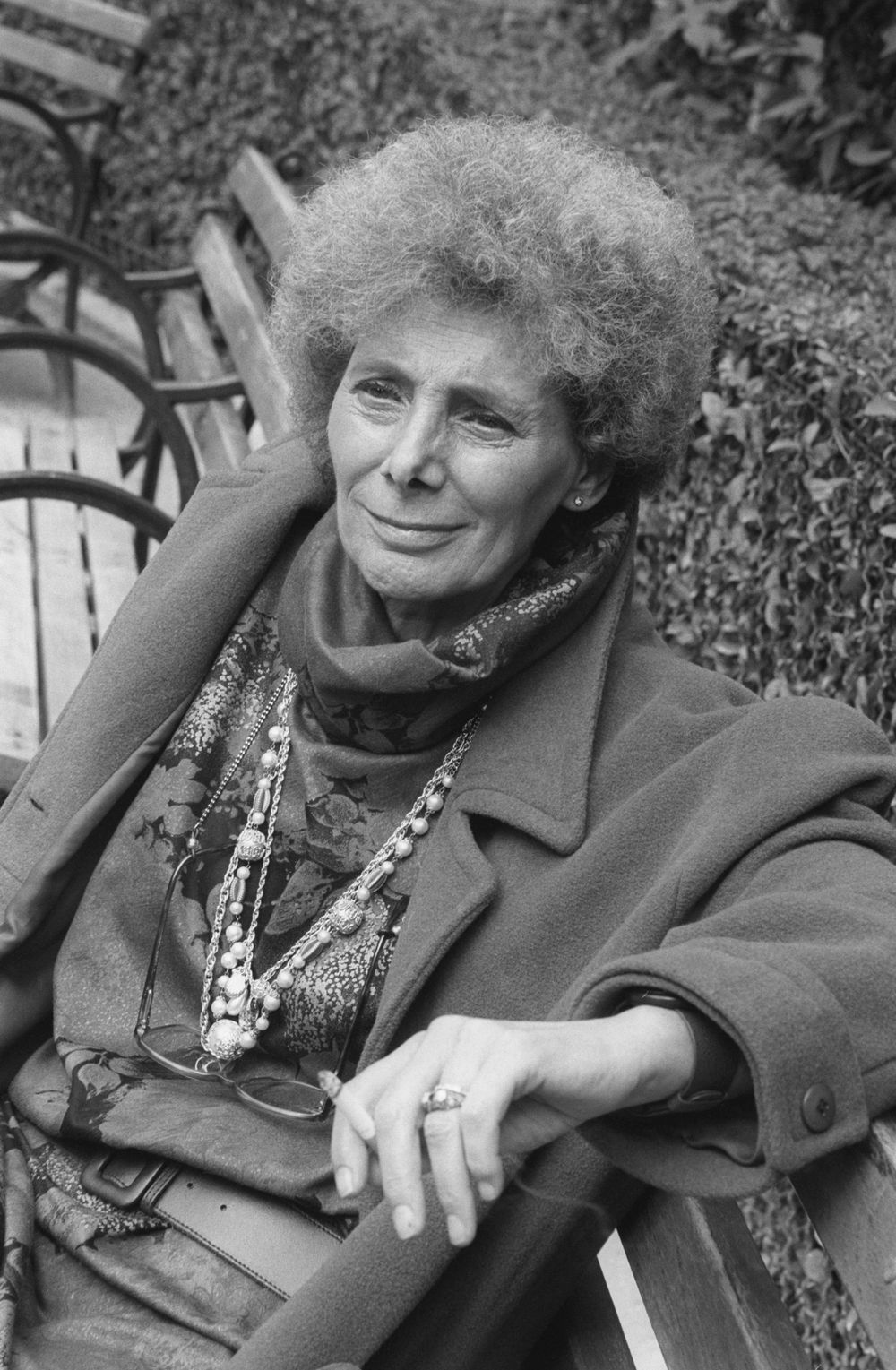 Read more: “An Uncompromising Belgian Novelist’s Afterlife as a BookTok Star,” by Katy Waldman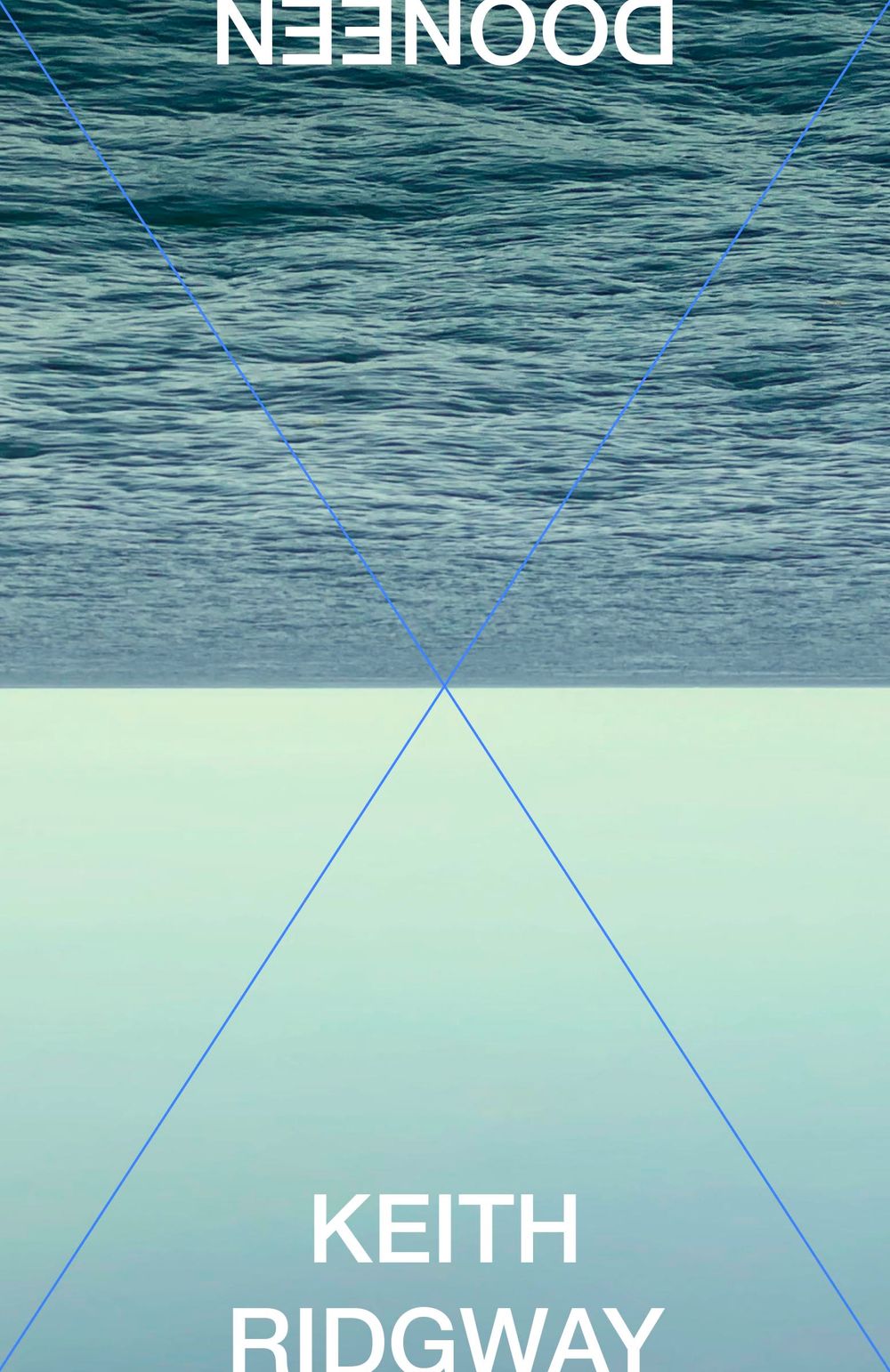
Dooneen
by Keith Ridgway (New Directions)FictionThis strange, ambitious novel is set in a version of Dublin where cars have been banned and people enter the country by teleportation. Bartholomew Port, an Irish writer living in London, returns to his homeland to participate in a literary festival, and arrives on the eve of a populist uprising. Dublin, he observes, has become a machine “for enriching the rich” and “impoverishing the poor,” a place where “life is not as important as money.” As Port falls in with a group of conspirators preparing for the insurrection, the book takes on a hallucinatory, digressive quality, blurring the lines between life and death, reality and illusion. Ultimately, Ridgway asks what responsibility bystanders must take for the injustices around them.


Previous Picks
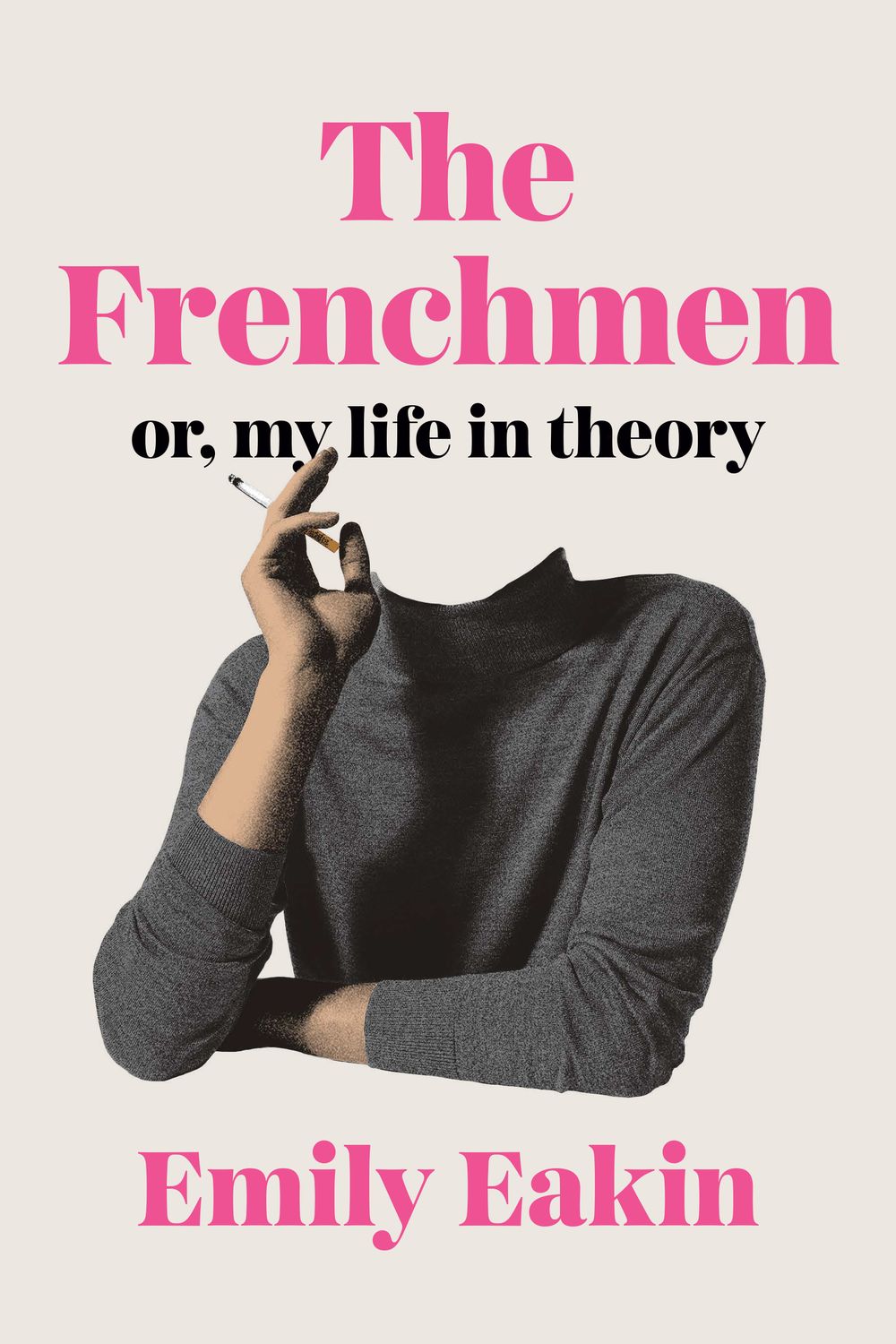
The Frenchmen
by Emily Eakin (Penguin Press)NonfictionThis stylish group biography of eight structuralist and post-structuralist philosophers interweaves details of its subjects’ lives with careful close readings and memoir. Eakin, an editor at the Times Book Review, aims to “re-embody” the so-called French theorists, “to recover the hidden human element beneath their often stringent antihumanism.” Her biographical approach allows her to highlight connections that a more straightforward intellectual history might not, such as the role that a chance encounter between the linguist Roman Jakobson and the anthropologist Claude Lévi-Strauss played in the development of the latter’s thought.
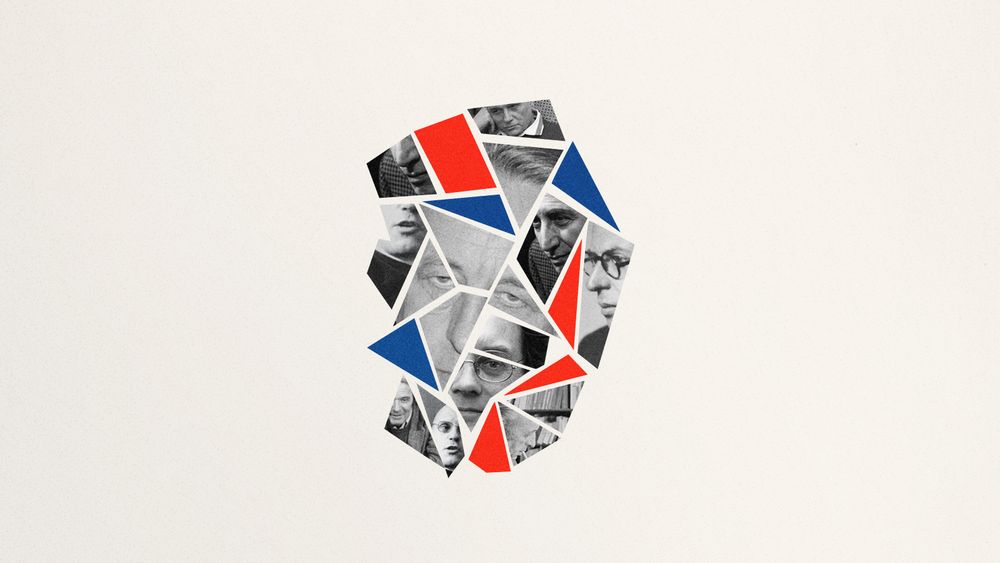 Read more: “The Men Who Made Theory French,” by Dayna Tortorici
 From Our Pages
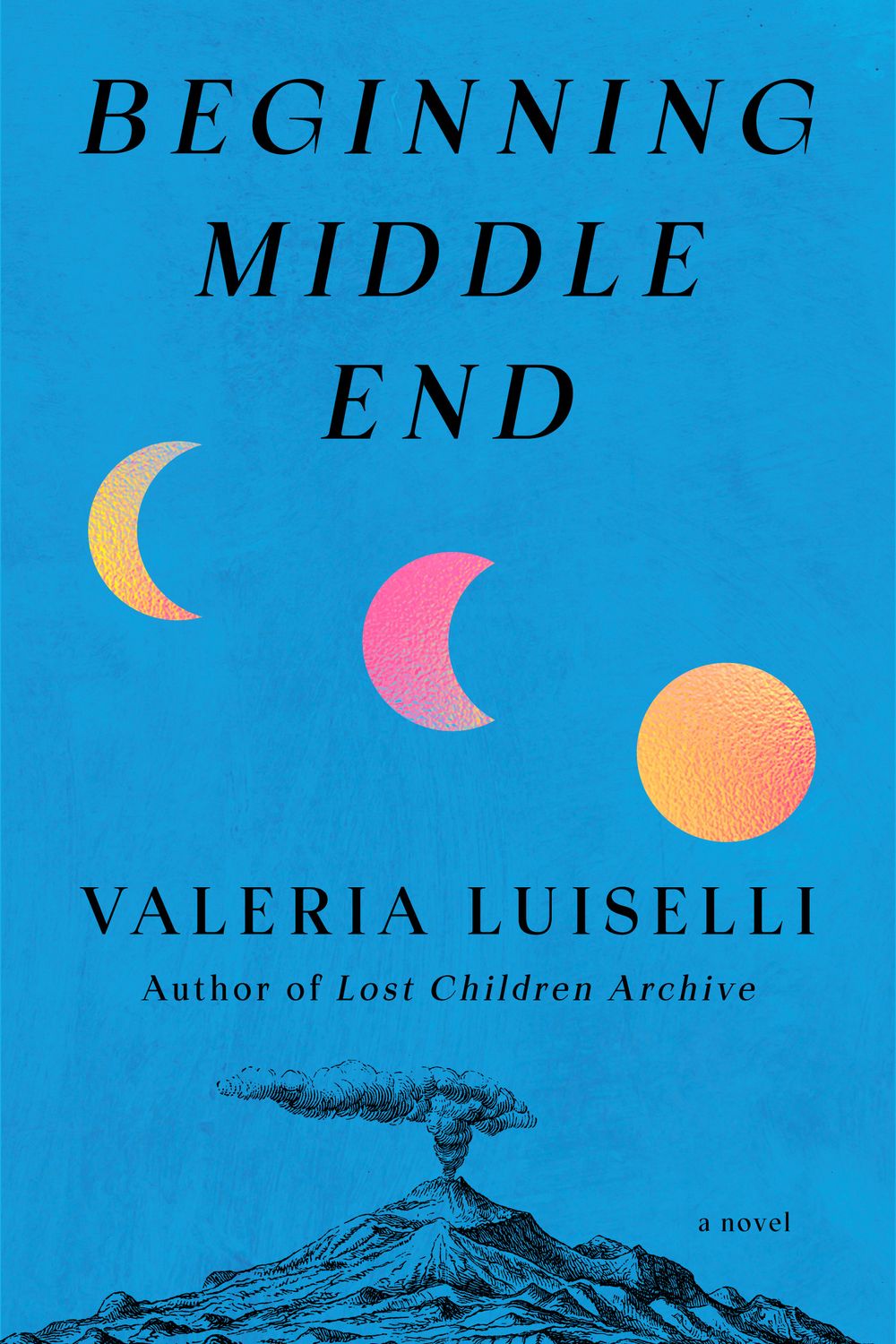
Beginning Middle End
by Valeria Luiselli (Knopf)FictionAfter an “entangled divorce,” a woman escapes with her daughter to Catania, a port city on Sicily’s eastern coast. Upon arrival, they are met with an ominous forecast: Mt. Etna has “spewed a plume of ash and gas,” a lunar eclipse is imminent, and the Levante, a strong easterly wind, will soon blow in. Amid the ever-shifting atmosphere, mother and daughter each search for “the chance to begin, or to begin again.” The novel was excerpted in the magazine.
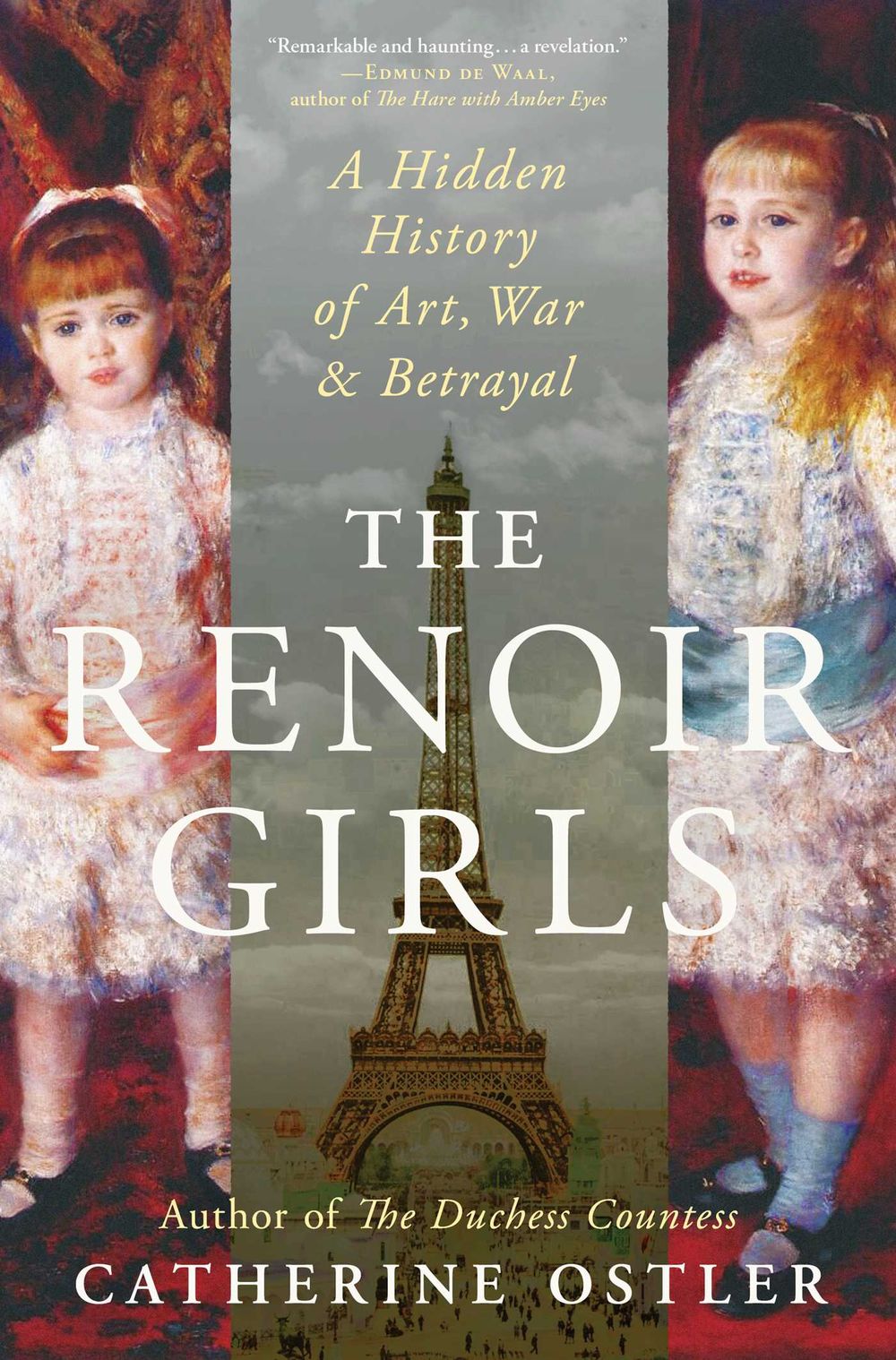
The Renoir Girls
by Catherine Ostler (Atria)NonfictionThis sweeping biography of the daughters of a French Jewish banking dynasty—who were painted by Renoir, and counted Proust as a family friend—unfolds in parallel worlds: a glittering Paris of privilege, and a Paris where widespread poverty and political instability fuelled profound social anxiety. Ostler traces a thread of anti-Jewish hatred through both worlds, as she illustrates how the sisters’ rarefied existence was frequently marred by bursts of prejudice. In 1882, shortly after completing the girls’ portraits, for instance, Renoir declared that he was “washing my hands of the Jews.” As Ostler shows, his stated reasons were vague and irrelevant. Renoir was merely a “cork in the current” of antisemitism.
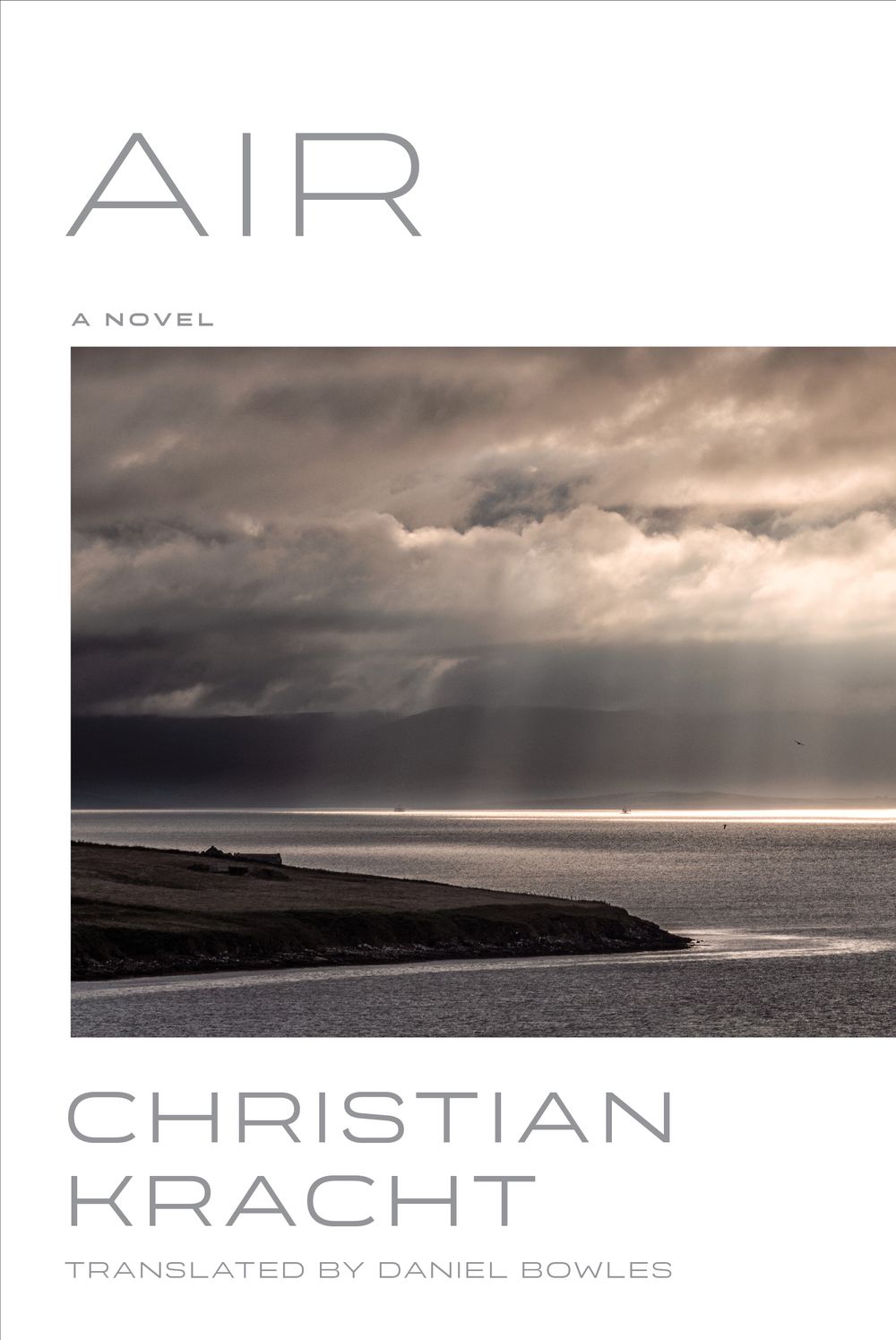
Air
by Christian Kracht, translated from the German by Daniel Bowles (Liveright)FictionTwo story lines anchor this novel: one centered on a present-day designer with a Luddism-inflected aesthetic, and one that takes place in a fantastical realm where a young girl accidentally shoots a man she has mistaken for a deer. In the first plot, the designer disappears during a solar storm while working on a project in Norway. In the second, the girl and the man run from soldiers sent by a malevolent ruler. In that reality, people live on what they forage and kill; they wear shared clothes; they don’t have inventions like mirrors or—crucially—antibiotics. Though this world lacks the twenty-first-century trappings that so bothered the designer, its brutalities also suggest that nostalgia for the pre-modern is a knife that cuts both ways.
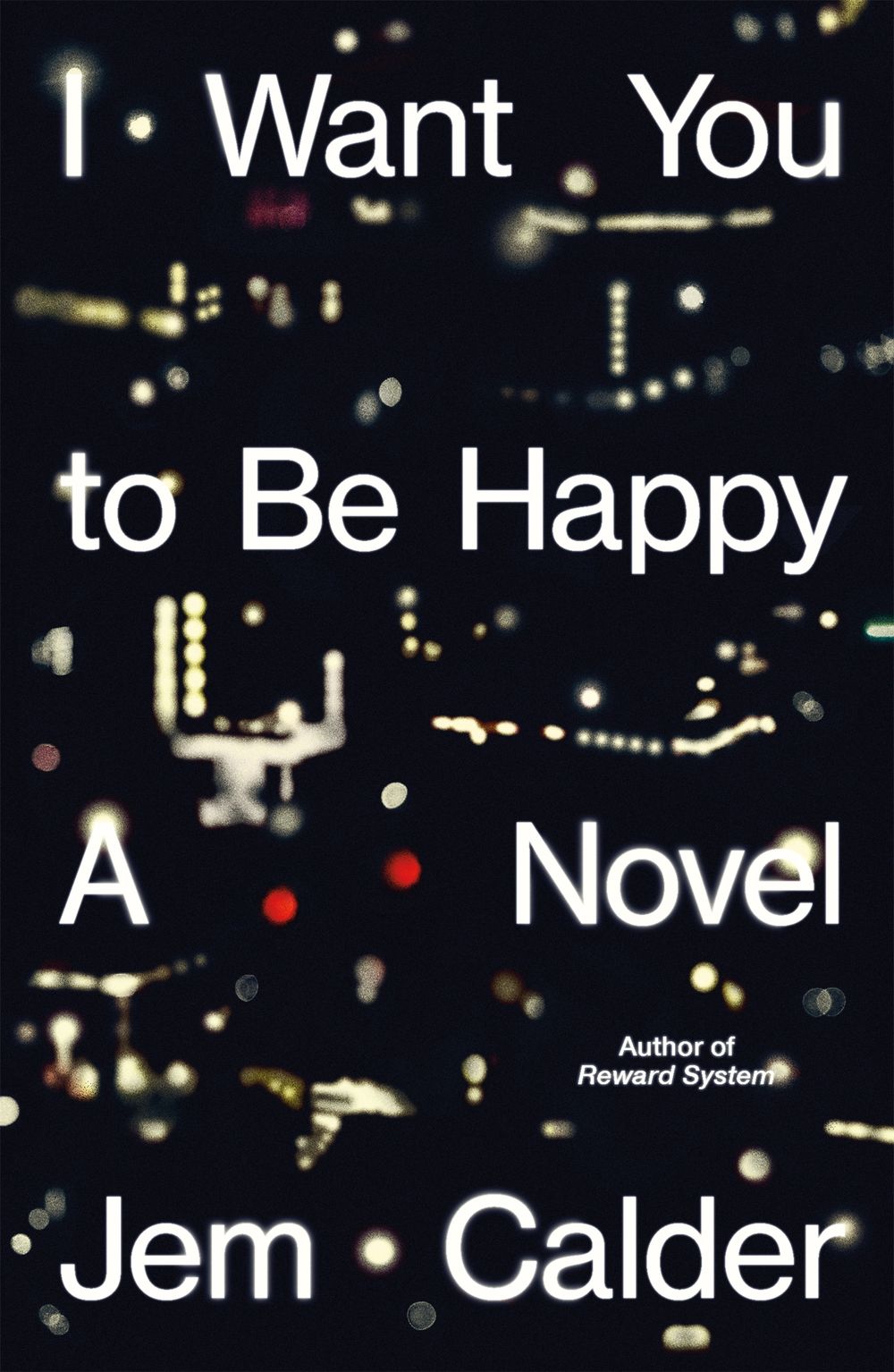
I Want You to Be Happy
by Jem Calder (Farrar, Straus & Giroux)Fiction“A new person finding you interesting makes you feel new.” So reflects one of the protagonists of this intimate novel, which follows the relationship between two creative aspirants in London—a young woman working as a barista while nursing dreams of poetry, and a slightly older man who is a copywriter, but hopes to become a novelist. The two meet at a bar one night, then go home together. As Calder tracks the course of their romance, from the careful texting of its early days to reckonings with the characters’ darker elements—the copywriter, it emerges, drinks excessively—he gives the perennial human features of self-sabotage and solipsism a fresh look.


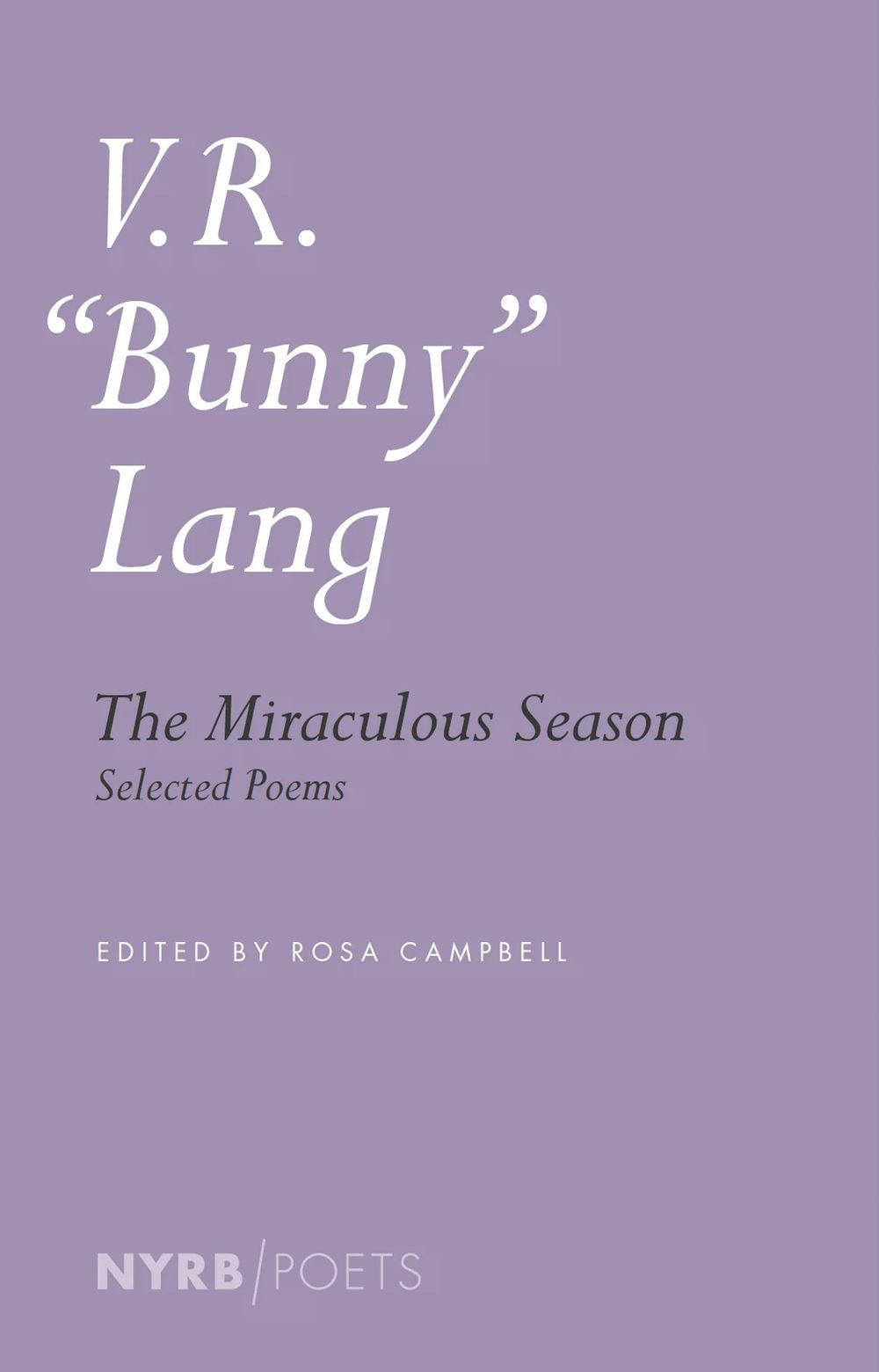
The Miraculous Season
by V. R. “Bunny” Lang (New York Review Books)PoetryThe American poet Violet Ranney Lang was born in 1924 and died in 1956, of Hodgkin’s lymphoma, at the age of thirty-two. She may have been cut off in her prime, but her prime is indisputably her own. Lang produced poems with a singular blend of severity and skittishness. In her tart, forbidding lines, she comes across as both quite at ease in aristocratic settings (she was a débutante born in Boston, to old money) and all too eager to smash their social rules. “The Miraculous Season,” which was first published in the U.K., in 2024, gathers some of the poetry she produced as a serious young writer, when she studied at Harvard, befriended Frank O’Hara, wrote and directed and performed in plays, and, finally, squared up to the facts of death as she had to the facts of her life—with cheerfully desperate bravado.
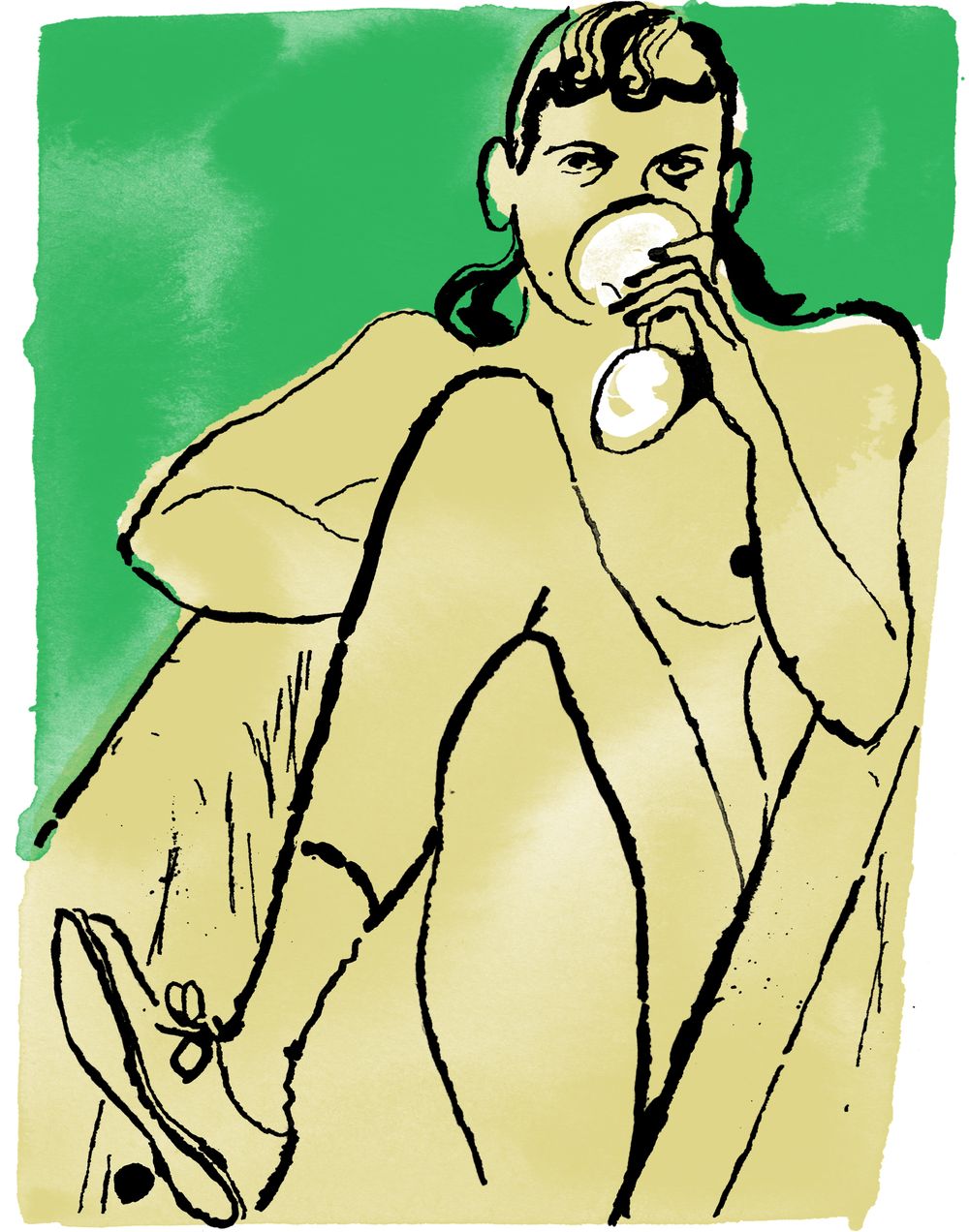 Read more: “A Forgotten Queen Bee of Modern Poetry,” by Anthony Lane
Glyph
by Ali Smith (Pantheon)FictionContinuing its decorated author’s project of devising a contemporary language for fiction while revisiting the past, this novel follows two sisters, Patricia and Petra, long estranged, who are haunted by stories from their childhood: one of a man who was shot during the First World War, and the other of a person who met a gruesome death in the Second. Amid the disappointments of the present—oppressive digital technology and work uncertainty—ghosts and shared recollections bring the sisters together, and closer to Patricia’s adopted daughter, Bill, who represents both the pessimism and the idealism of a younger generation. Animated by dialogue and wordplay, Smith’s novel shines with her intuition, and her ability to surprise.
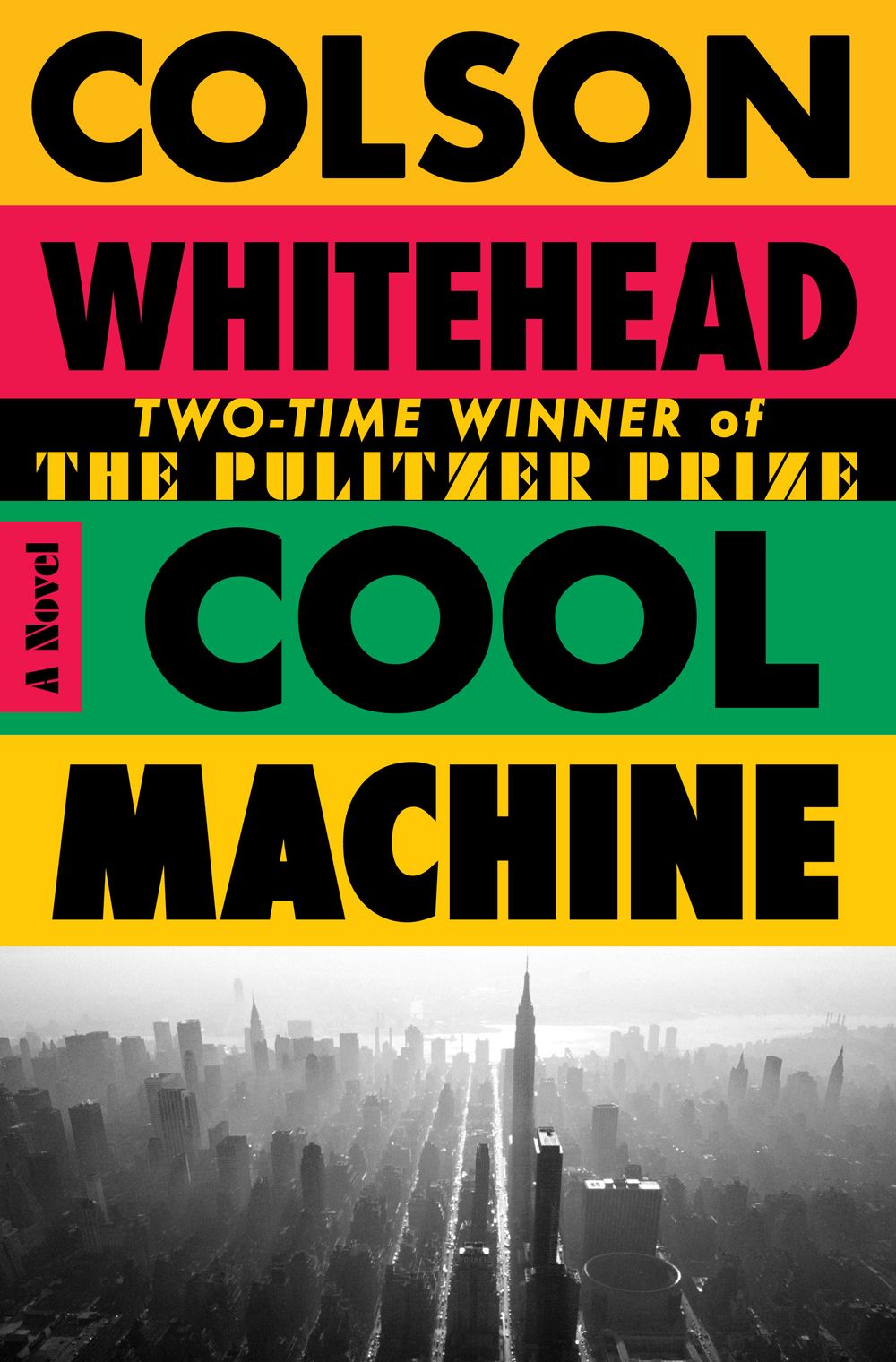
Cool Machine
by Colson Whitehead (Doubleday)FictionIn the gripping conclusion of his New York crime trilogy, Whitehead takes us to early nineteen-eighties Harlem, where the protagonist Ray Carney, like the entire city, seems to be on the rise. New York is recovering from near-bankruptcy, roused by the promise of Reaganomics; Carney has been named Dealer of the Month at his furniture store and plans to abandon the brutal criminality that’s plagued his family for generations—after one more heist. Hoping to help his wife start a business, he mixes with a master malefactor and is plunged back into the city’s felonious landscape. His devotion to his spouse, allegiance to a dangerous old accomplice, and grief over the murder of his cousin threaten an existence he has spent years building. Whitehead, a winner of two Pulitzer Prizes, gives the Harlem Trilogy a finale that pays haunting homage to the imperfect city where he and his characters are perpetually reinvented.
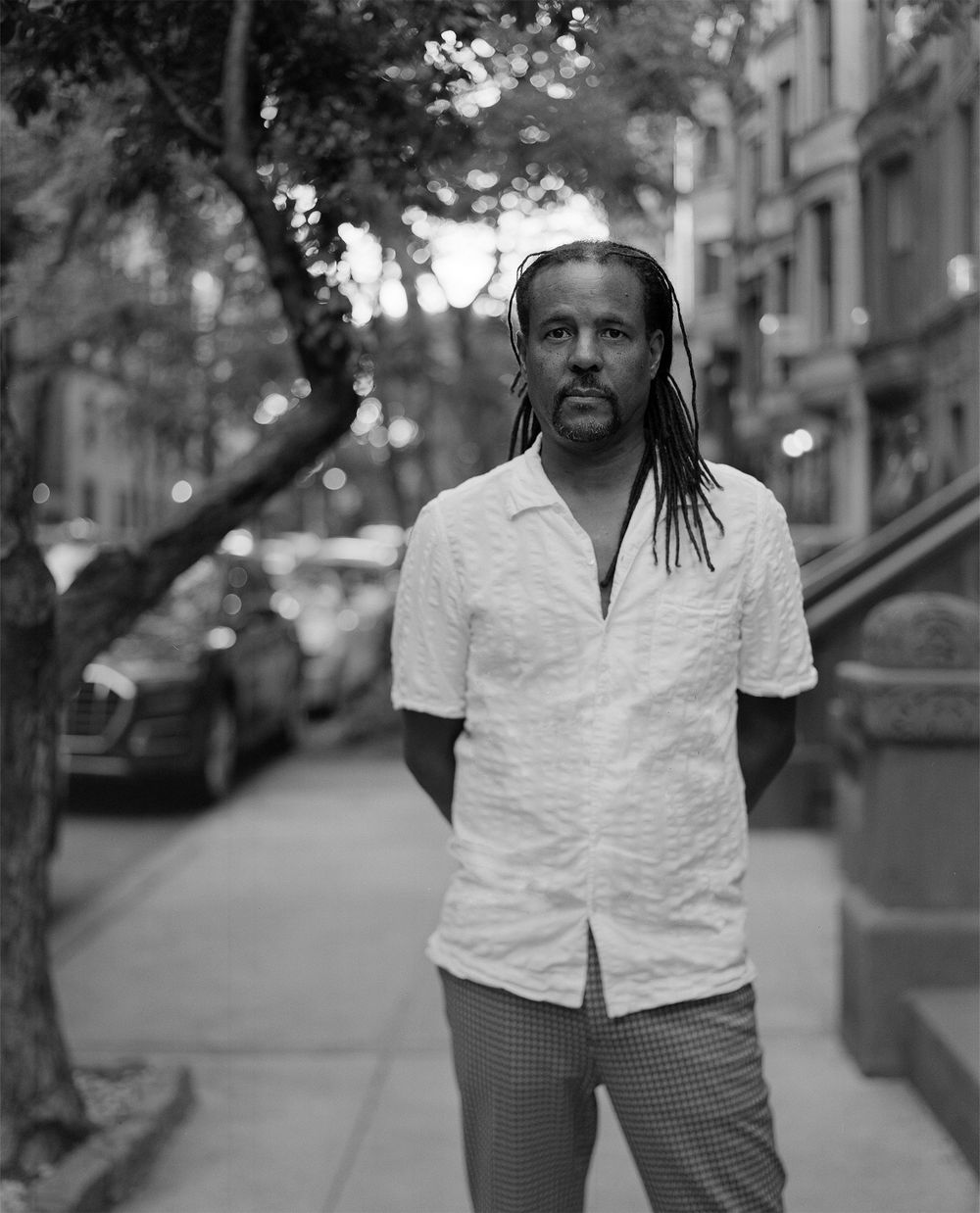 Read more: “Colson Whitehead’s Big Score,” by Julian Lucas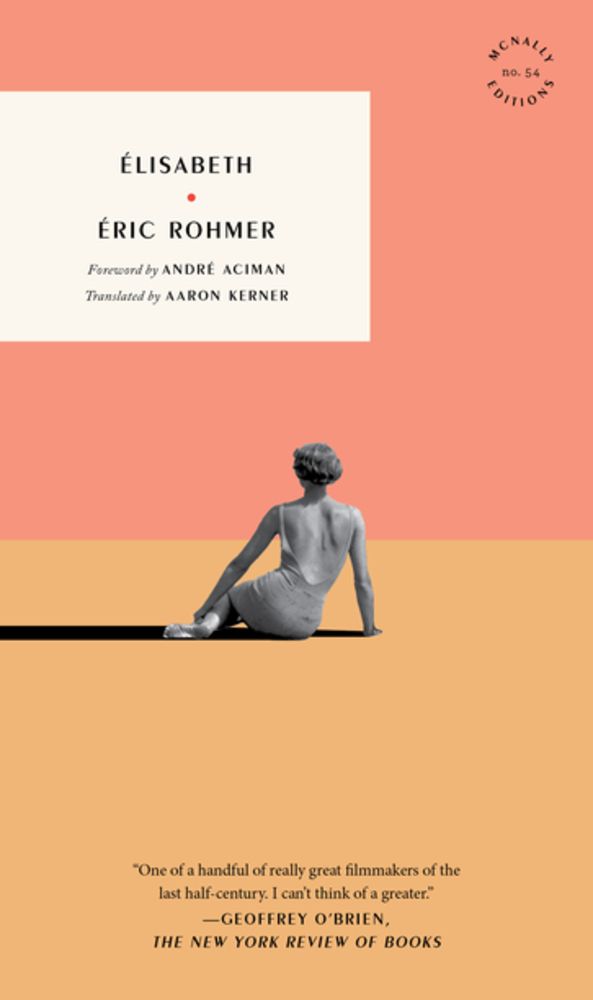
Élisabeth
by Éric Rohmer, translated from the French by Aaron Kerner (McNally Editions)FictionConstructed as a set of ruses and evasions, “Élisabeth” was the only novel that the great French New Wave filmmaker Rohmer ever wrote. Completed in the summer of 1944, amid battles for the liberation of Paris from Nazi occupiers, the book’s narrative begins in 1939, with characters anticipating the end of summer and a return to business as usual in the fall, unaware of what is to come. “Élisabeth” depicts a social world that manages to survive cataclysm: even during the Occupation, people go to college, hold jobs, take vacations, flirt, marry, separate, and write. Its central character, Michel, is an engineer in his early twenties who is having doubts about his engagement to a woman named Irène, a widow a few years older than he. As Rohmer pursues this through line, he flits from character to character, location to location, assembling a book that is ultimately an exemplary modernist novel.
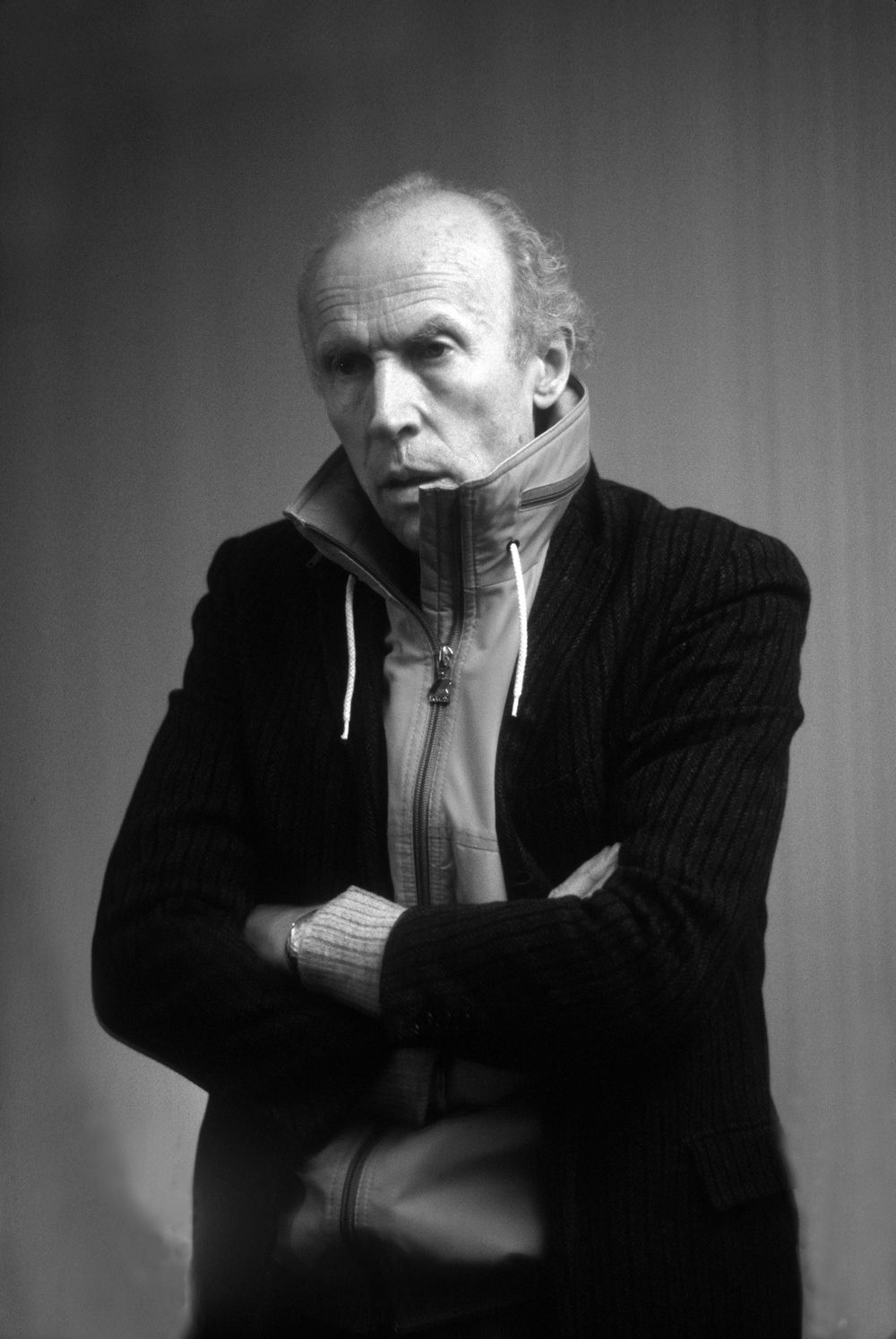 Read more: “Éric Rohmer’s Novel “Élisabeth” Is a Precocious Literary Triumph,” by Richard Brody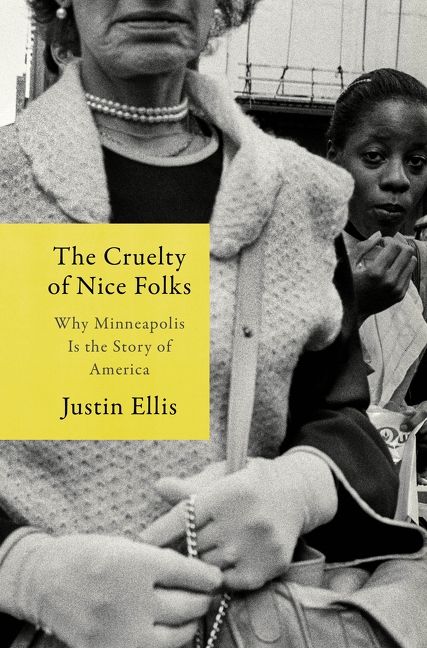
The Cruelty of Nice Folks
by Justin Ellis (Harper)NonfictionMinneapolis has long been a stronghold of progressivism: slavery was banned there upon Minnesota’s statehood, and it was an early adopter of public housing. But, as Ellis demonstrates in this survey of the city’s racial history, liberal policy achievements tend to obscure more insidious forms of exclusion. A Minneapolis native, Ellis returns to his home after the murder of George Floyd. His resulting exploration tracks the ways in which Black residents were effectively segregated, through racial covenants and redlining, and overpoliced. Though Ellis’s long view of the city is tinged with cynicism, its response to last winter’s ICE invasion creates, he contends, an opening for hope.


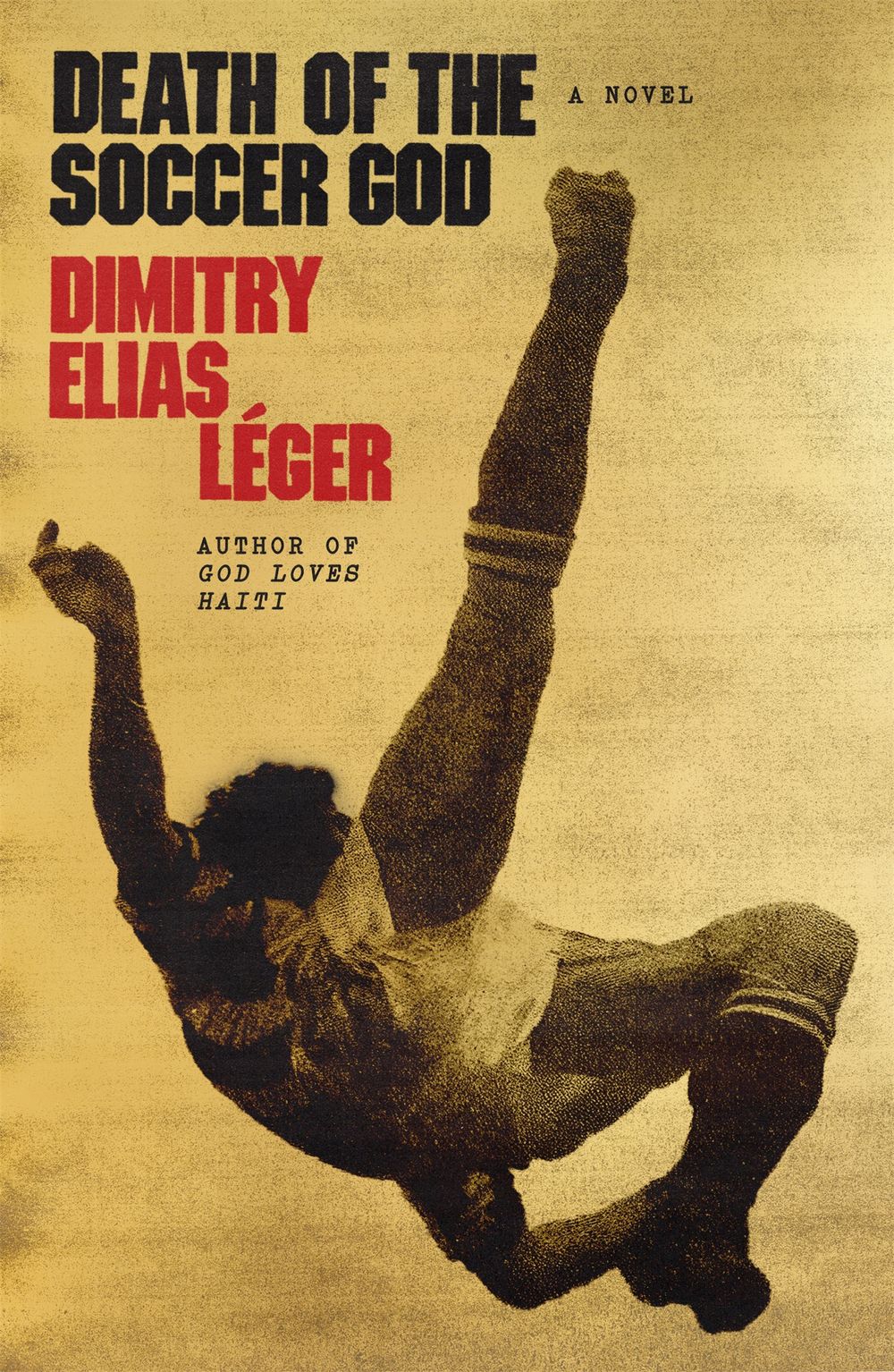
Death of the Soccer God
by Dimitry Elias Léger (MCD x FSG)FictionThis stylish historical picaresque examines Haitian identity and history by recounting the “brief, wondrous life” of a fictional athlete, Gilbert Chevalier. Born to a wealthy family in Port-au-Prince, the young Chevalier has a prodigious talent for soccer. When he’s dispatched to Columbia University for college, he rooms with Miles Davis, consorts with John Coltrane, and is recruited to play for the United States in the 1950 World Cup, in Brazil. There he meets a nine-year-old Pelé and leads the American team to a stunning upset of England. Returning to Haiti after playing professional football in Europe, Chevalier runs afoul of President François Duvalier—an incident with dangerous consequences.
 From Our Pages
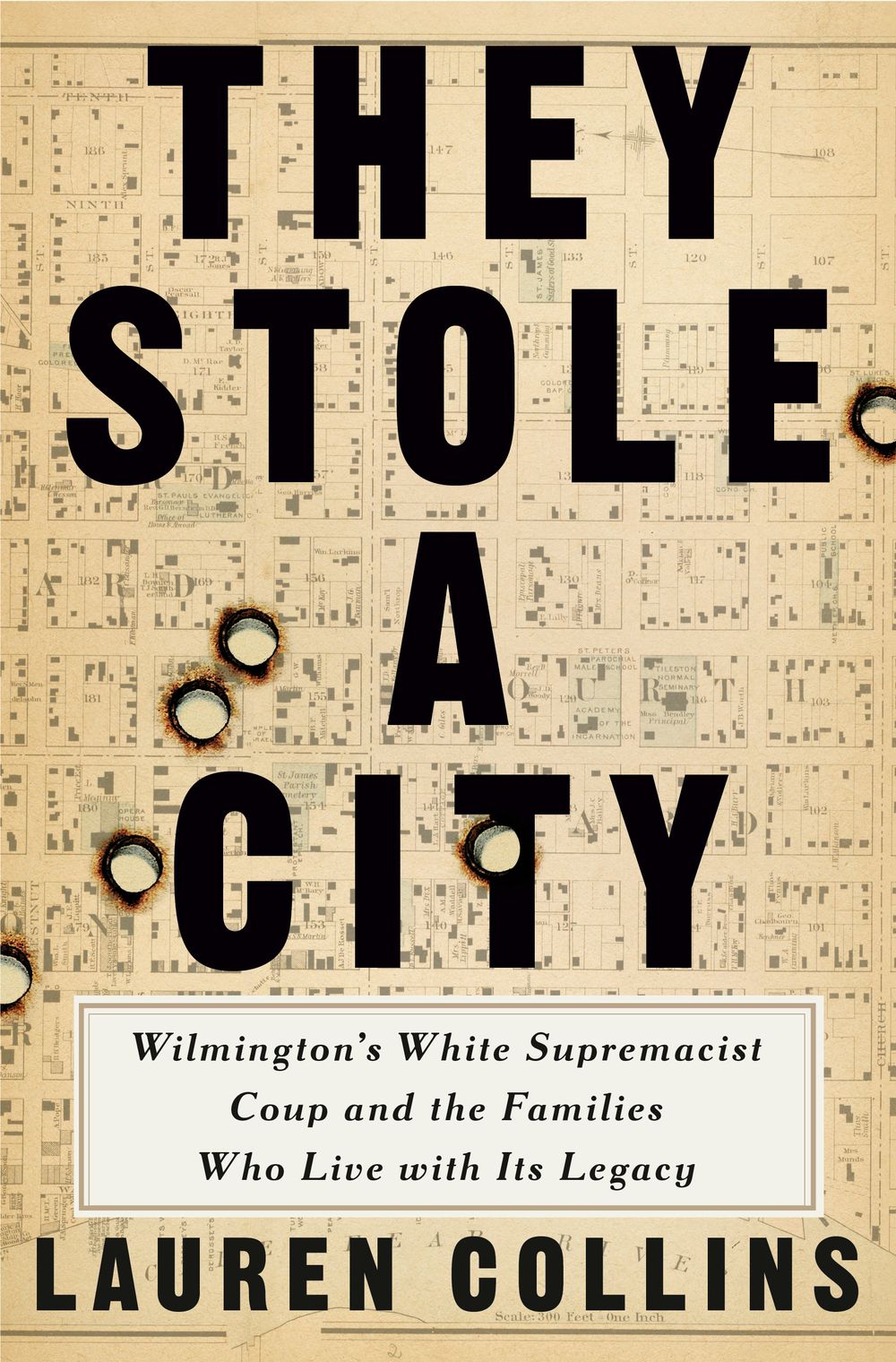
They Stole a City
by Lauren Collins (Penguin Press)NonfictionIn this gripping narrative, part history and part reportage, Collins, a staff writer, returns to her home town of Wilmington, North Carolina, to explore a chapter in the city’s history that was long overlooked or actively suppressed: in November, 1898, a mob of white supremacists rampaged through the streets, killing Black people and seizing the city government in what is thought to be the only successful coup d’état on American soil. The book, which was excerpted in The New Yorker, describes how the violence reverberated through generations of Wilmington families, shaping lives in ways that official histories failed to acknowledge. The racist takeover of the city happened more than a century ago, yet its lessons are urgent as ever, Collins writes: “There is no more explicit example of the vulnerability of American democracy, and of the magnitude of the task of repairing it once it is breached.”
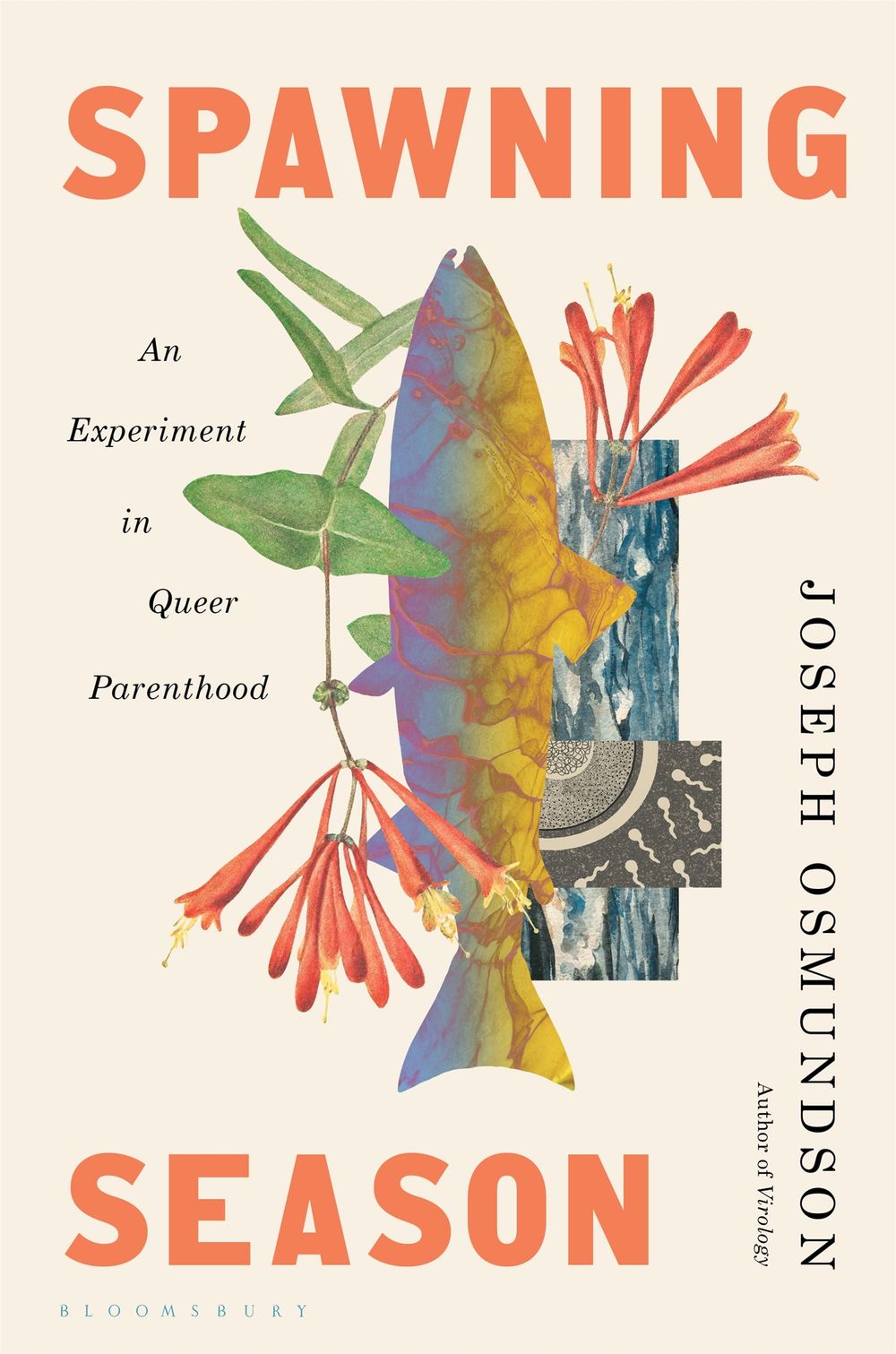
Spawning Season
by Joseph Osmundson (Bloomsbury)NonfictionAnchored by a poignant account of his efforts to become a father, this memoir, by a microbiologist, is also a wide-ranging meditation on what it means to be biologically “fit” in Western society today. Though the barriers to parenthood which Osmundson encounters don’t exist for all of us (he’s queer; he’s male; he’s not able to afford surrogacy or adoption), his emotional journey will be instantly recognizable to anyone whose dreams of having a child have been dashed or deferred. Some of that arc is grappling with various reasons not to have a child, including climate change. A secondary narrative, following salmon on their journey to reproduce in warming waters, proves surprisingly apposite, partly thanks to Osmundson’s expertise on the subject, and partly because it underscores what is uniquely human about his dilemma: that, for us, a universal instinct can also be a question.
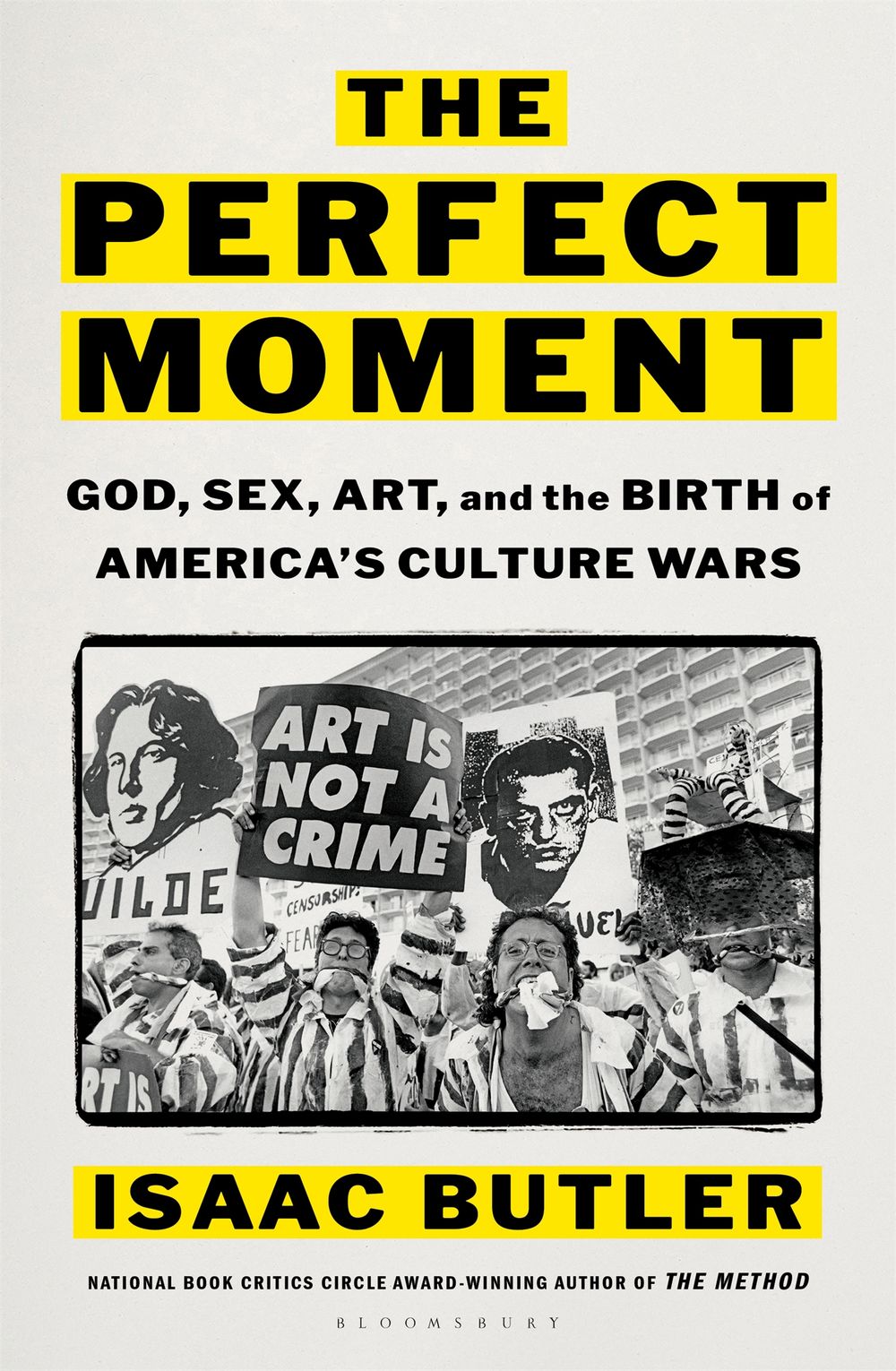
The Perfect Moment
by Isaac Butler (Bloomsbury)NonfictionIn this lively history, Butler revisits the American culture wars that started in the late nineteen-eighties, chronicling how cöordinated conservative campaigns transformed obscure disputes over federal museum grants into defining battles for the soul of the Republican Party. Along the way, indelible scenes of senators ripping exhibition catalogues and inviting “women and children” to leave the Senate chamber before brandishing Robert Mapplethorpe’s photographs lend the political history novelistic propulsion. The culture wars, Butler suggests, are less a closed chapter than a continuing conflict: if “the culture wars of the late twentieth century were the World War I of American arts and letters,” he writes, “we have now entered World War II.”
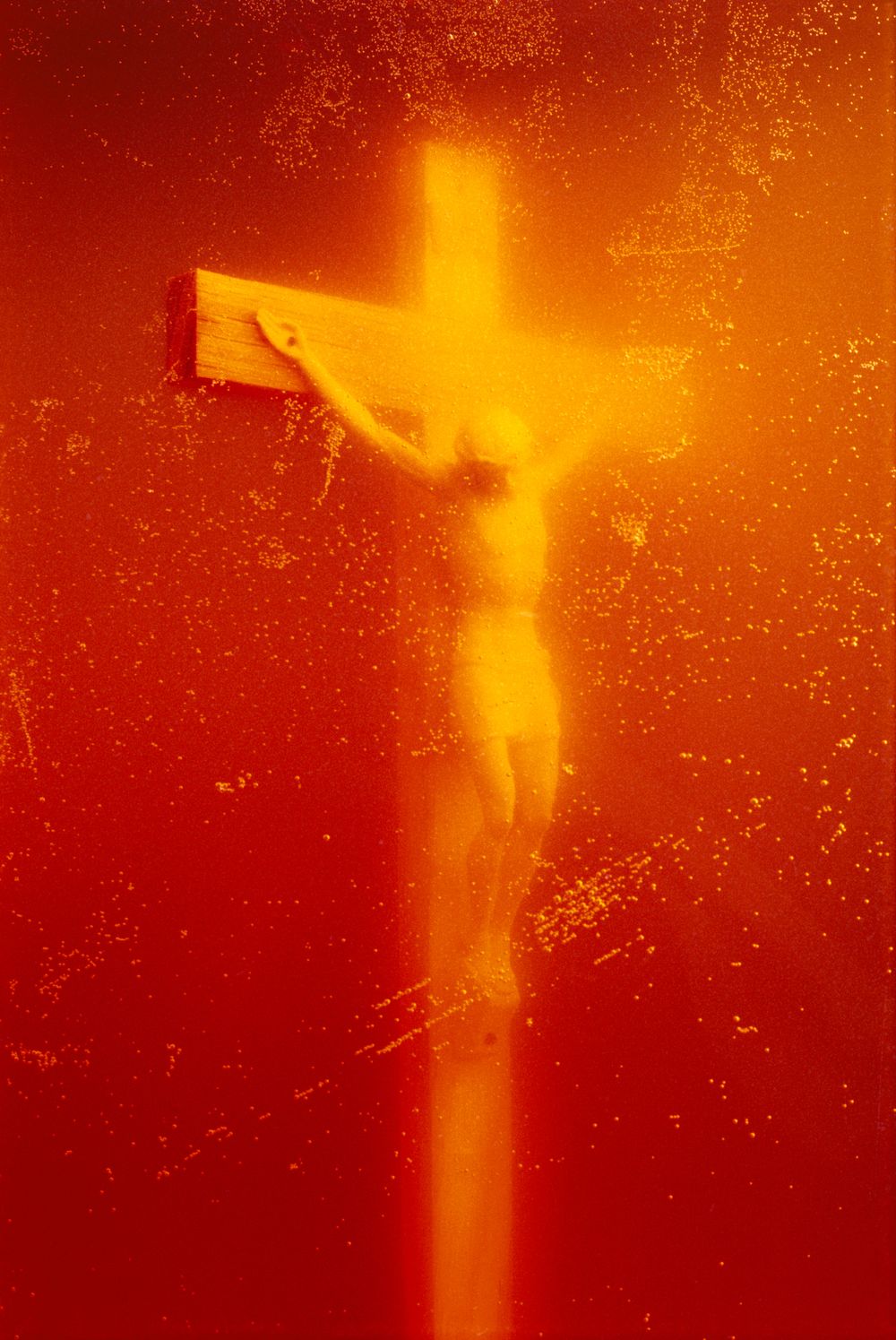 Read more: “How “Piss Christ” Became a Culture-War Bomb,” by Louis Menand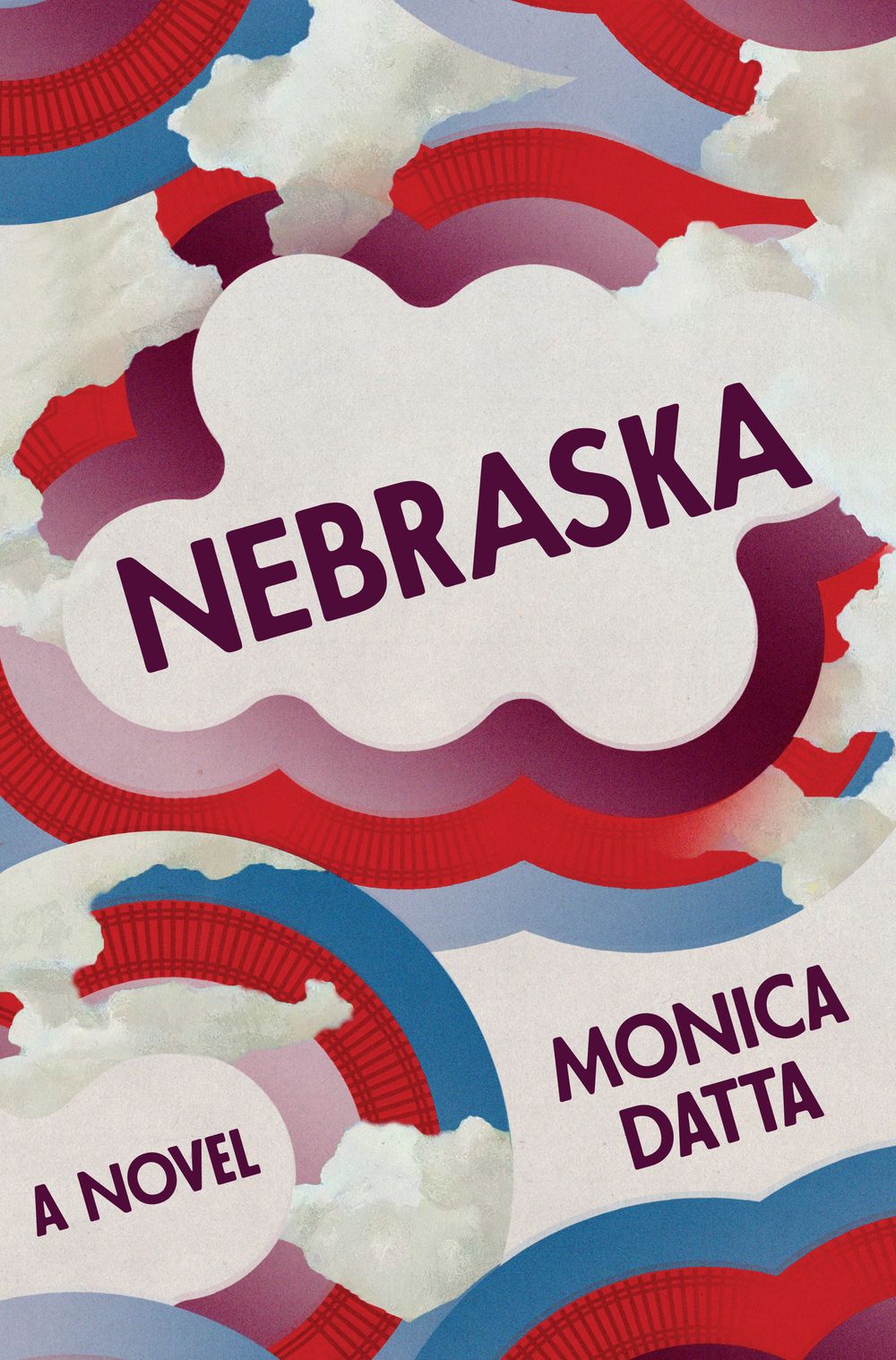
Nebraska
by Monica Datta (Astra)FictionThis ambitious novel springs from a moment of apparent inhuman cruelty: a mother, Anna Chatterjee, kills her disabled son, pushing his wheelchair in front of an oncoming train. The murder and its fraught causes are recounted by a Bengali analyst, who is himself interpreting them from the records of a different analyst with connections to Chatterjee’s two living children. When these two children, along with Chatterjee’s husband, attempt to pick her up at the end of her prison sentence, they find she is already gone. Datta explores the impact of enormous colonial forces on the unconscious of a single individual, her narrative shifting between time lines and continents in a performance that is both dizzying and energizing.
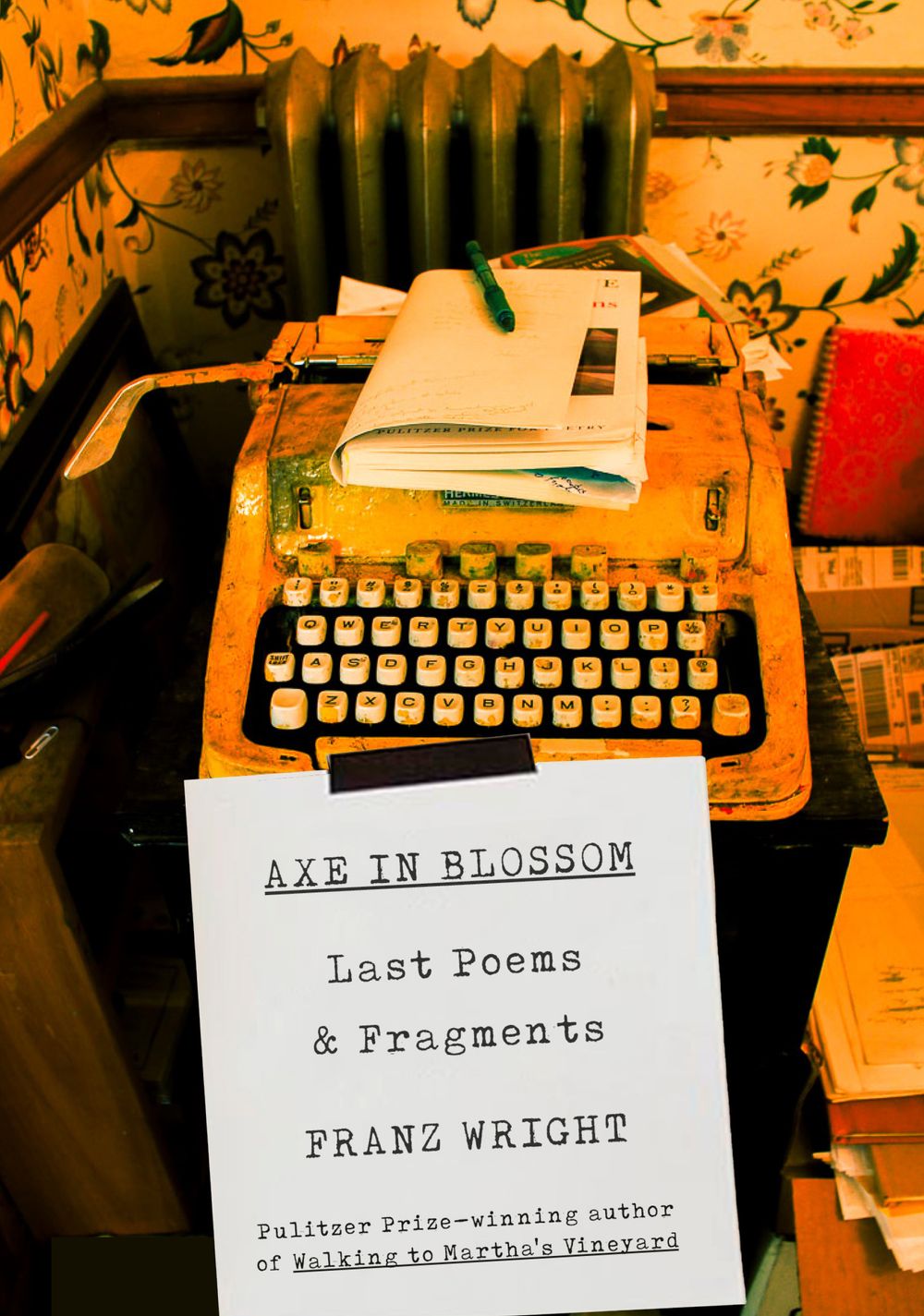
Axe in Blossom
by Franz Wright (Knopf)PoetryWright, who died in 2015, composed these poems while suffering from lung cancer, recording many of them in scribbles around his apartment in Waltham, Massachusetts. And yet his condition is never an occasion for self-pity; his lines glow, instead, with the light of honesty and self-deprecation. He remarks on his “odd-sounding croak that was once a good voice”; at another point, spotting his reflection in a bus, he writes, “I looked like a suicide / returning an overdue book to the library.” Wright has a gift for tender, wisecracking moments, and he renders them with extraordinary sensory detail, whether he’s observing something as close as a fly or as distant as the stars.
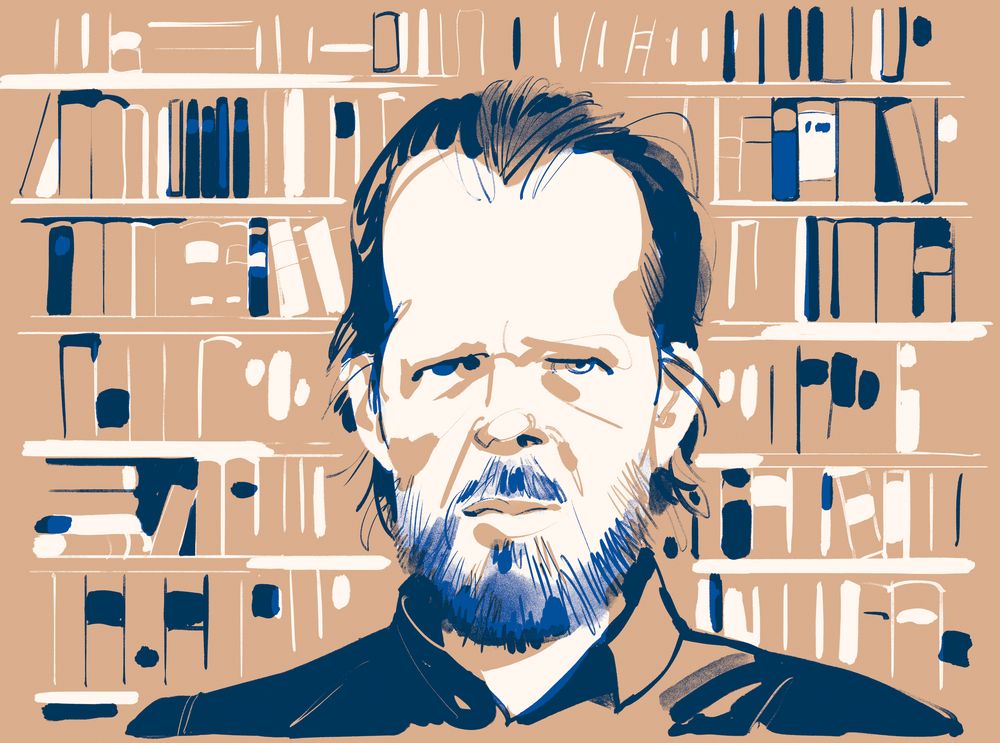 Read more: “A Dying Poet’s Farewell to the World,” by Dan Chiasson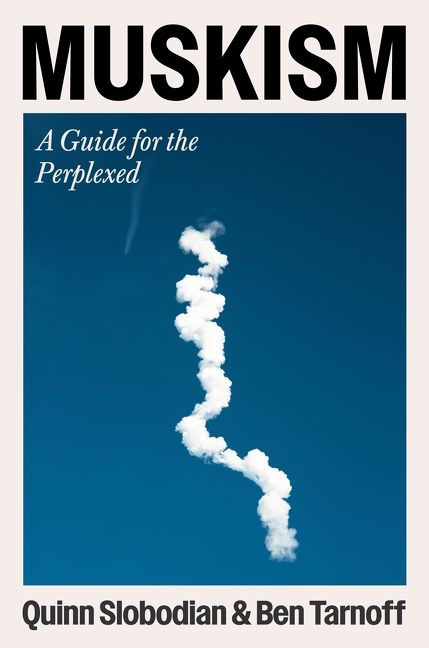
Muskism
by Quinn SlobodianBen Tarnoff (Harper)NonfictionWhat is the philosophy that underpins Elon Musk’s varied ventures, from Tesla to SpaceX to DOGE? The answer, this slim study contends, is a creed in which “states and individuals” can achieve “sovereignty through technology.” The portrait of Musk that emerges here is that of a childish, terminally online man who desires to eliminate the messiness of contemporary life for a more rigid order. “To say that Muskism is worth taking seriously is not to say that its success is guaranteed,” Slobodian and Tarnoff write. But the “institutional breakdown” of the twenty-first century, they warn, could mean that Muskism will profoundly shape the world to come.


 From Our Pages
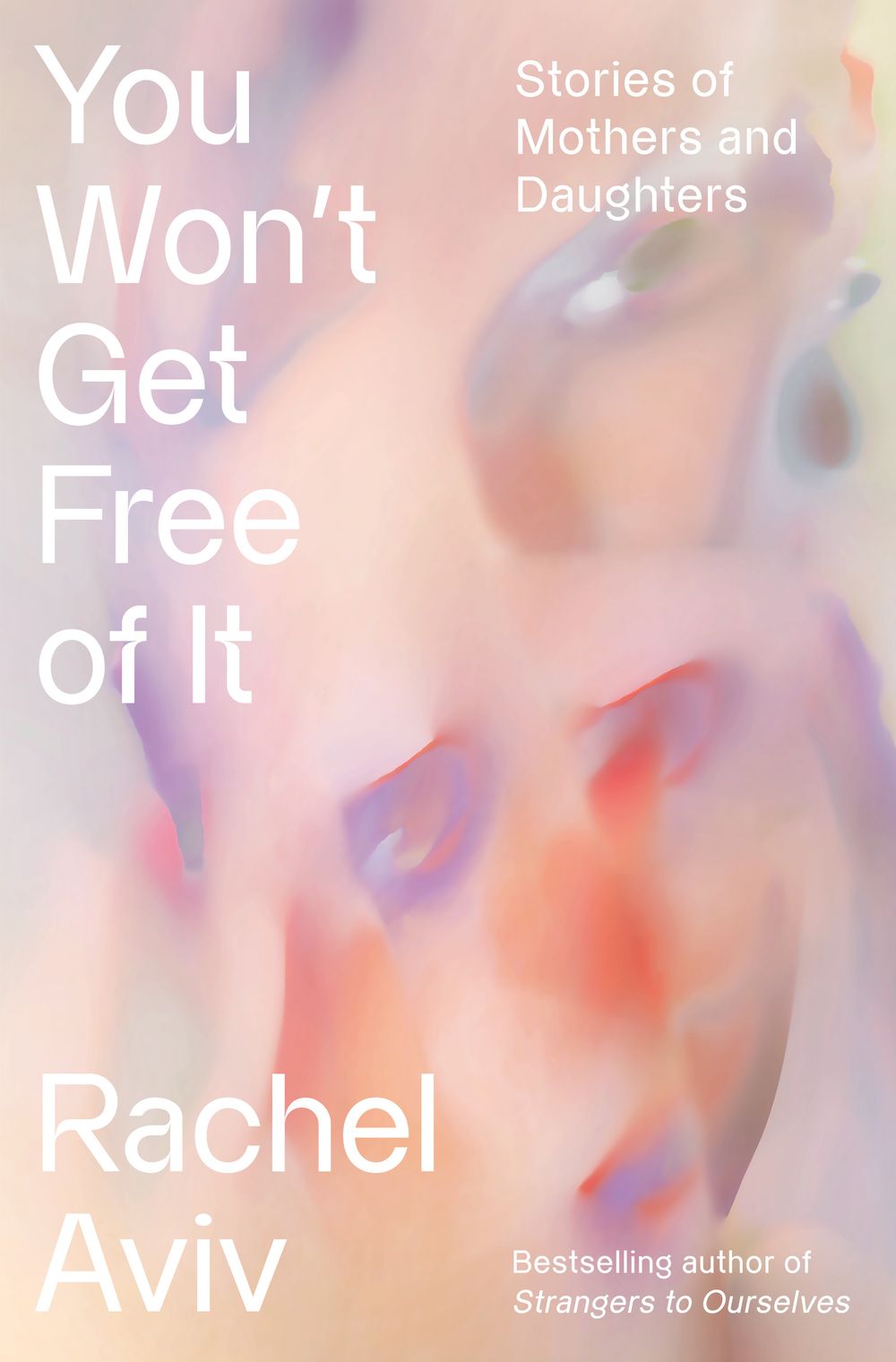
You Won’t Get Free of It
by Rachel Aviv (Knopf)NonfictionIn a collection of pieces, most originally written for The New Yorker and now recast, Aviv examines maternal relationships across an array of charged situations, including the story of a Filipina nanny in the United States who has not seen her own children in years, and that of the writer Alice Munro, whose husband sexually abused one of her daughters. Aviv, a staff writer at the magazine, explores the limits of what the family structure can reveal and conceal.

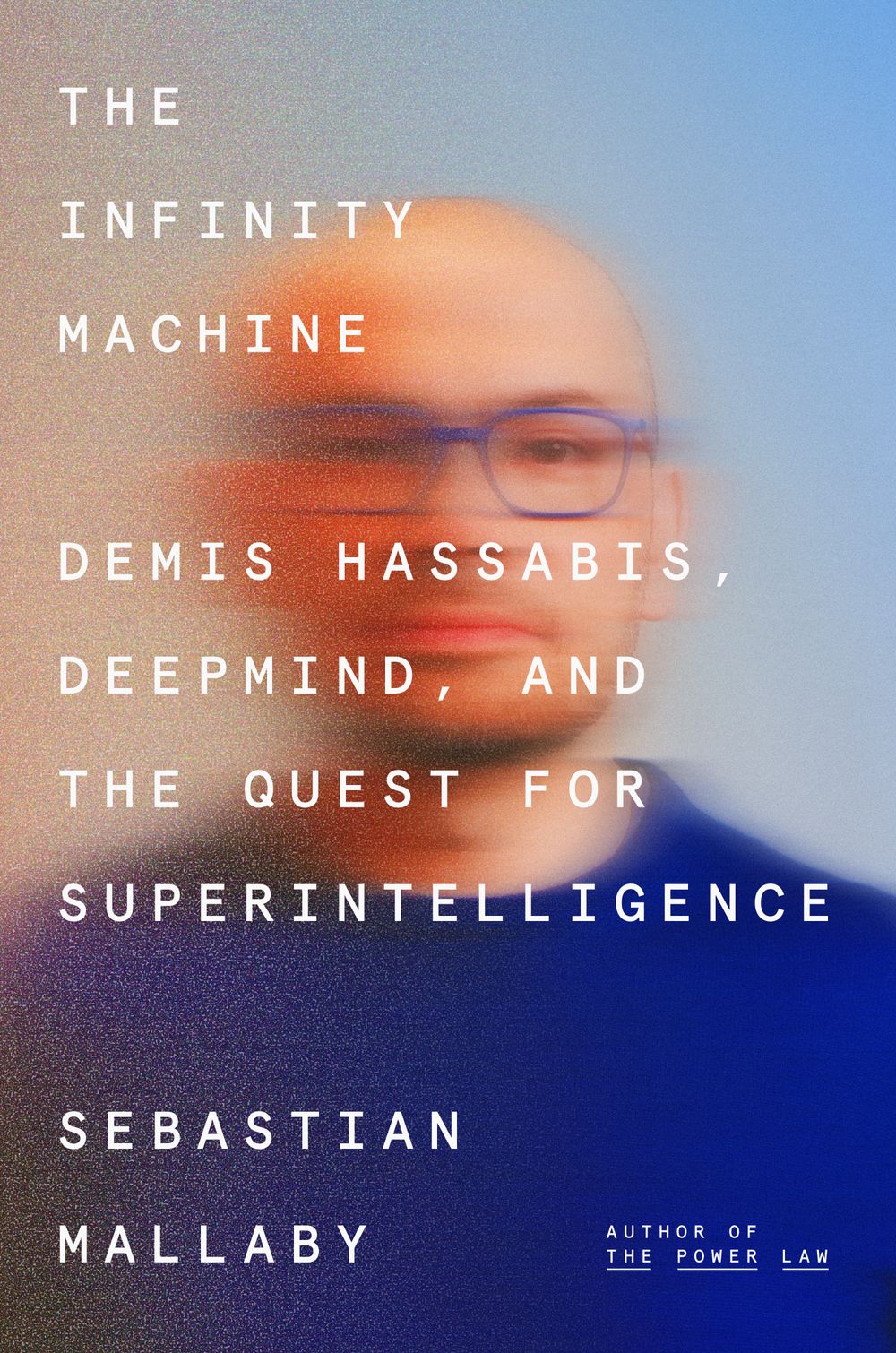
The Infinity Machine
by Sebastian Mallaby (Penguin)NonfictionDemis Hassabis long dreamed of building a machine powerful enough to untangle science’s greatest mysteries. In 2010, at the age of thirty-four, he co-founded the A.I. startup DeepMind to pursue this vision. Since then, the company’s creations have solved painfully difficult problems in fields from mathematics to computational biology. One of its programs produced a solution to the so-called protein-folding problem, representing a dramatic advance in the science of drug discovery and bringing Hassabis a Nobel Prize. Mallaby, a longtime financial journalist, is a nimble storyteller, and his portrait of one of the single-minded personalities plunging the world into an uncertain future is also an engaging drama of discovery.
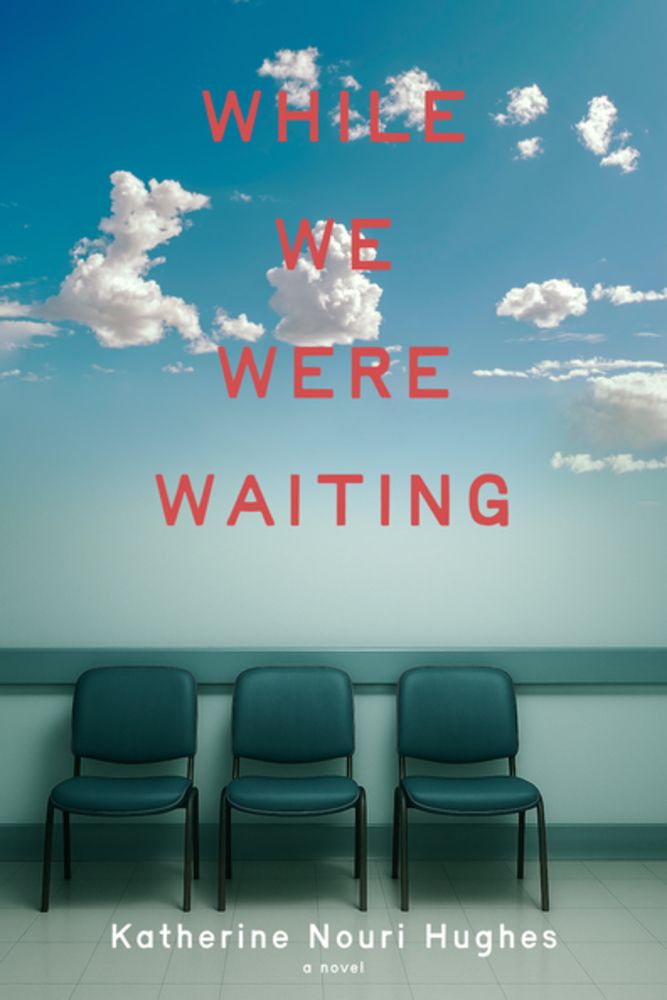
While We Were Waiting
by Katherine Nouri Hughes (Delphinium)FictionIn this harrowing novel, two families pass long, uncertain hours in the waiting rooms of a Manhattan hospital. A venture capitalist who assesses risk for a living is helpless as his wife, beset by preeclampsia, is rushed to an emergency delivery. Nearby sits a family of Chaldean Christians exiled from Iraq—an anxious archeologist, his pregnant radiologist wife, and his imperious mother, who bought a bulletproof Maybach to transport her daughter-in-law to the hospital for the delivery. Hughes, an American writer of Iraqi and Irish descent, has an acute ear for the half spoken, whether in a doctor’s clipped bulletins or a husband’s misfired word. The novel dwells in the porous hours of waiting—the interstices in which, as the title suggests, life accrues.
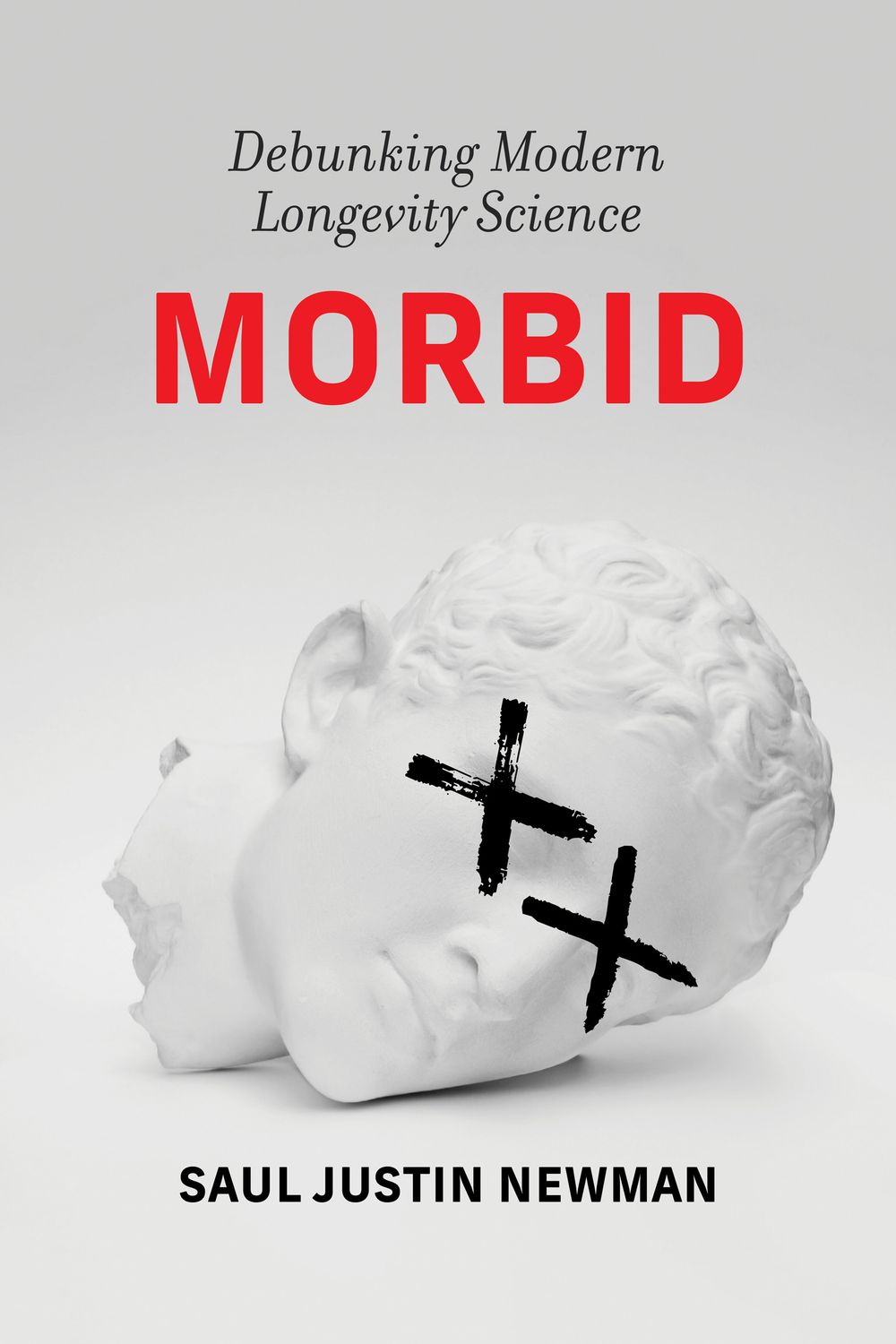
Morbid
by Saul Justin Newman (M.I.T.)NonfictionIn 2024, Newman, an interdisciplinary scholar at Oxford, won the satirical Ig Nobel Prize for demonstrating that many of the world’s oldest living people may actually be dead. In some cases, families pretended that a relative was still alive so that they could continue collecting pension checks. In other cases, living individuals exaggerated their ages so much that they were falsely deemed centenarians. In this lively and sometimes conspiratorial new volume, Newman argues convincingly that such instances of fraud are far more common than longevity gurus like to admit. In his telling, they represent “a systematic disaster” that undermines the science of aging and contributes to all manner of misguided health fads.
 Read more: “Something Is Very Wrong with Modern Longevity Science,” by Dhruv Khullar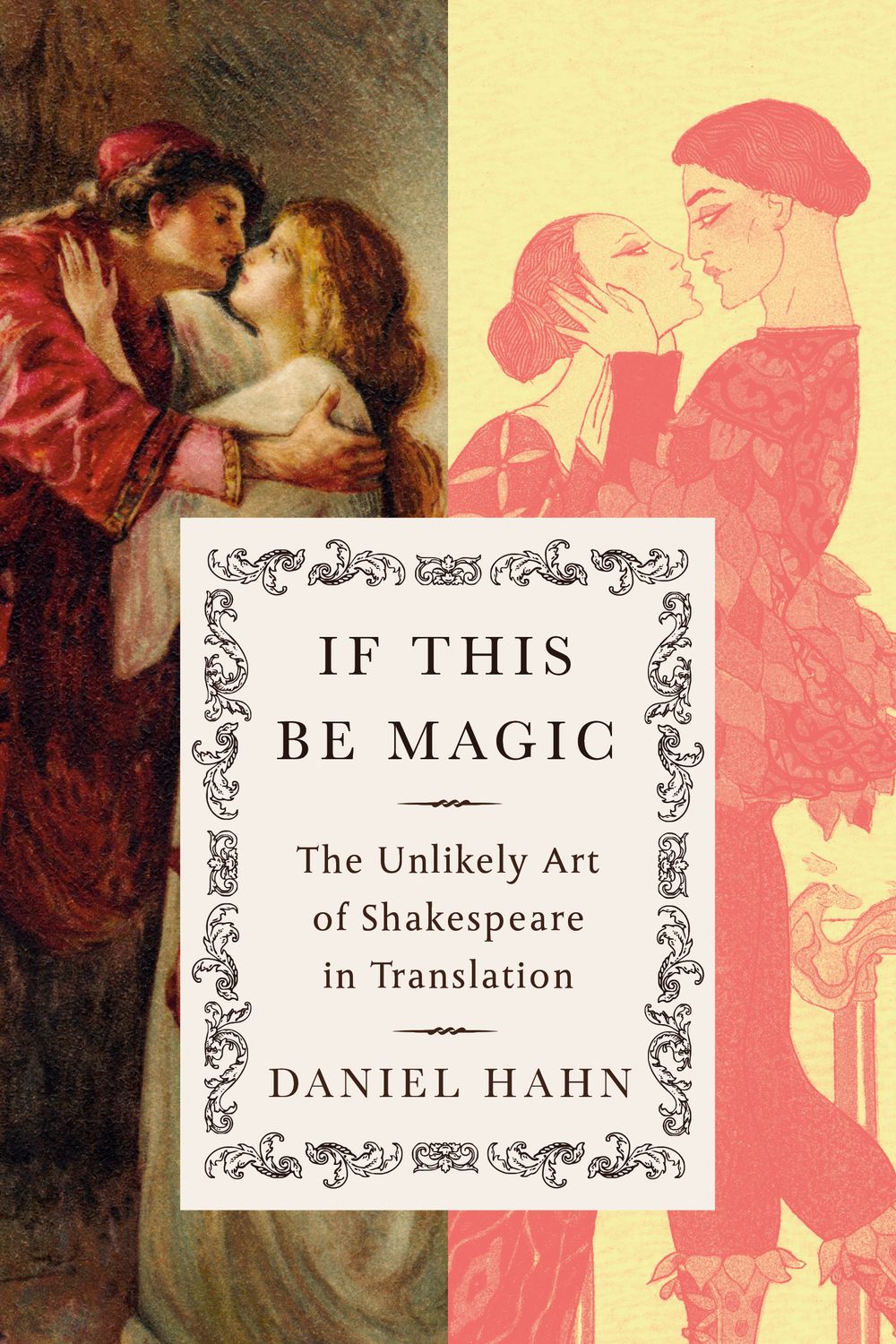
If This Be Magic
by Daniel Hahn (Knopf)NonfictionThis rich and often funny book, by a translator of Portuguese, Spanish, and French, investigates one of literature’s most challenging endeavors: replacing every word in a Shakespeare play with words from another language while having the result remain the Bard. Through interviews with translators and side-by-side comparisons of text, Hahn examines the many problems that translators face. (In Italian, for instance, far fewer common words are monosyllabic than in English, so a translated Shakespeare risks growing much longer than the original.) While exploring questions about ambiguity, order, pronouns, and even the use of A.I., Hahn’s study of literary translation widens into a reflection on the broader mysteries of language.


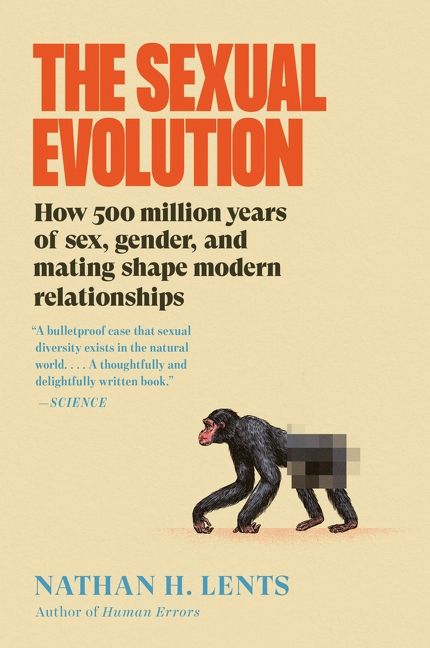
The Sexual Evolution
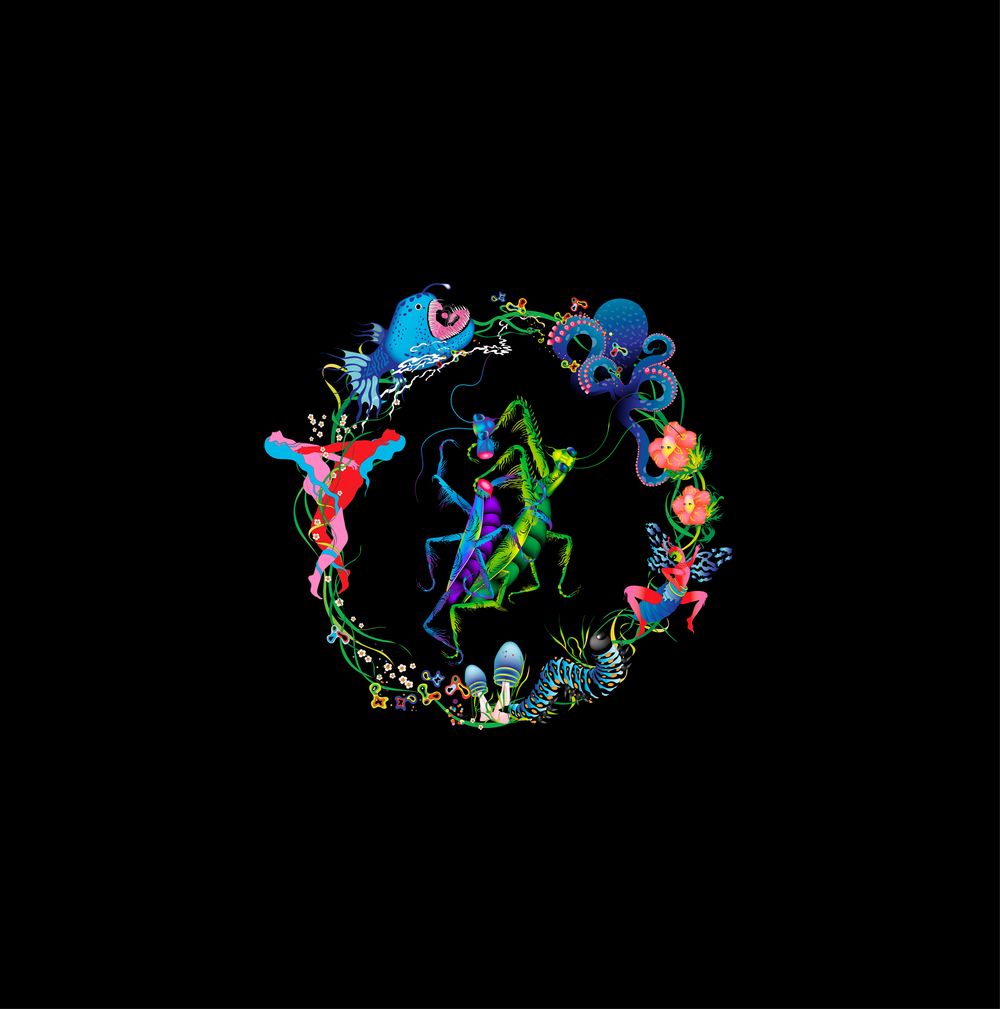
by Nathan H. Lents (Mariner)NonfictionLents, a biology professor at John Jay College, examines some of the natural world’s most sexually bewildering characters—from earthworms, which are hermaphroditic and mutually inseminate each other, to bluegill sunfish, which sometimes work as a two-male-one-female throuple to reproduce. Lents argues that the surge in sexual experimentation among humans is a way of reclaiming the expansive relationship with sex that other life forms have long indulged in. Why animals have sex, and in such creative ways, is still something of an evolutionary puzzle, and Lents doesn’t attempt to solve it. But he does encourage sexual curiosity and a healthy skepticism of norms, pointing out that, if “Finding Nemo” represented its clownfish accurately, Nemo’s dad would have become female after losing his missus, and then mated with his son.
 Read more: “What’s the Point of Sex, Anyway?,” by Elizabeth Kolbert
A Terrible Intimacy
by Melvin Patrick Ely (Holt)NonfictionThis history, by a Bancroft Prize winner, analyzes six trials that took place in Prince Edward County, Virginia, between 1825 and 1861, illuminating the complexity of interracial relationships in the slaveholding South. Ely calls upon a wide range of sources to illustrate the ways in which physical proximity between enslavers and enslaved people created “crosscurrents of community life,” including moments of recreation, socializing, trade, and sex. His most compelling observations arise from smaller details he teases out of the trials’ testimony, which capture the texture of the everyday—from how people travelled at night to the manner in which they kept time.


Whistler
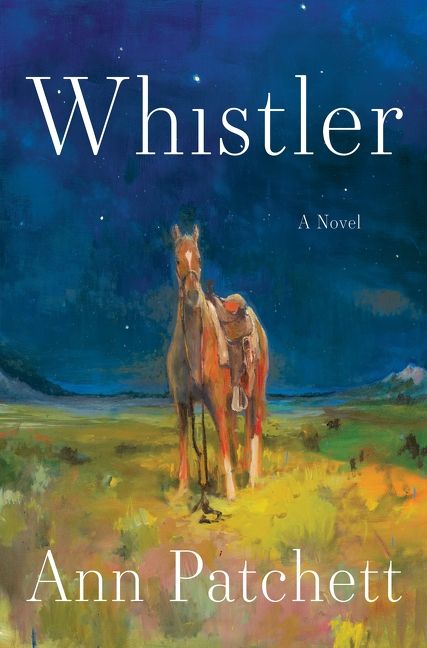
by Ann Patchett (Harper)FictionWhen Daphne, the middle-aged narrator of this pensive novel, was a child, she developed a precious bond with Eddie, her stepfather. But, after the pair got into a car accident, Daphne’s mother divorced Eddie, alleging that he was negligent, and then cut him off entirely. Daphne “put the whole thing”—her memories of Eddie, and of that night—“in a box.” For nearly half a century, she left those thoughts untouched. Then Daphne and Eddie run into each other, and, despite all the time that has passed, Daphne finds that the two are still profoundly connected. Together, she and Eddie face their respective pasts, untangling the feelings of betrayal, regret, and love that emerge in the process.
 From Our Pages
The Frenzy
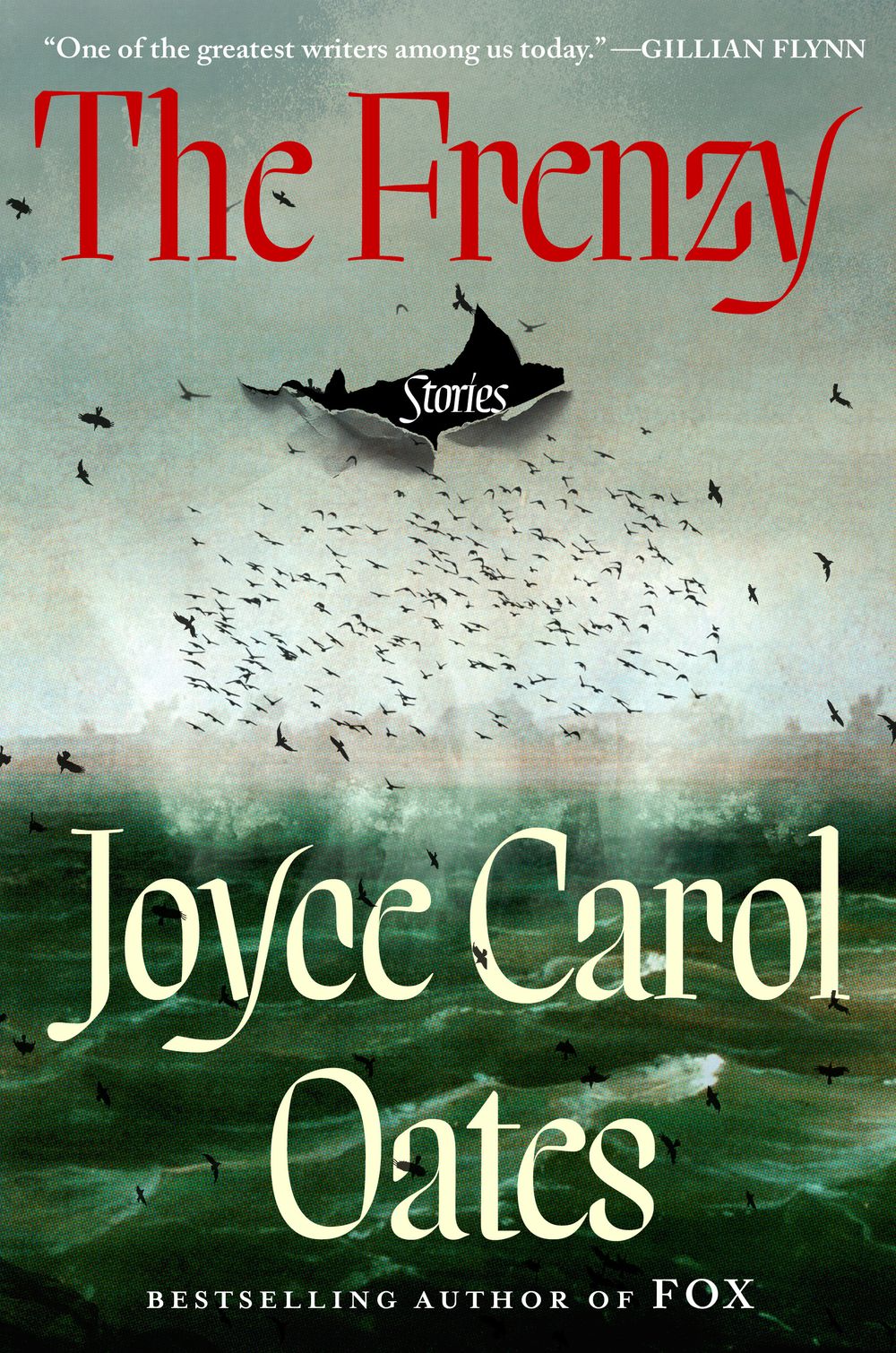
by Joyce Carol Oates (Hogarth)FictionIn her latest collection of stories, Oates explores moments of change and crisis in the lives of her characters, who behave violently, childishly, unpredictably, cravenly, or, occasionally, bravely when they find themselves in situations they can’t entirely control. The first line of the book’s title story, which is one of two that appeared first in The New Yorker—“Is the irrevocable, unforgivable act behind him, or ahead?”—could open almost any piece in this collection. The question is not if but when, and what the fallout of that act will be. Oates answers these questions in breathless, visceral prose that matches the definition of literature she gave in a Q. and A. for the magazine: “a texture of words evoking life in the most vivid ways—psychologically, physically.”
Newcomers
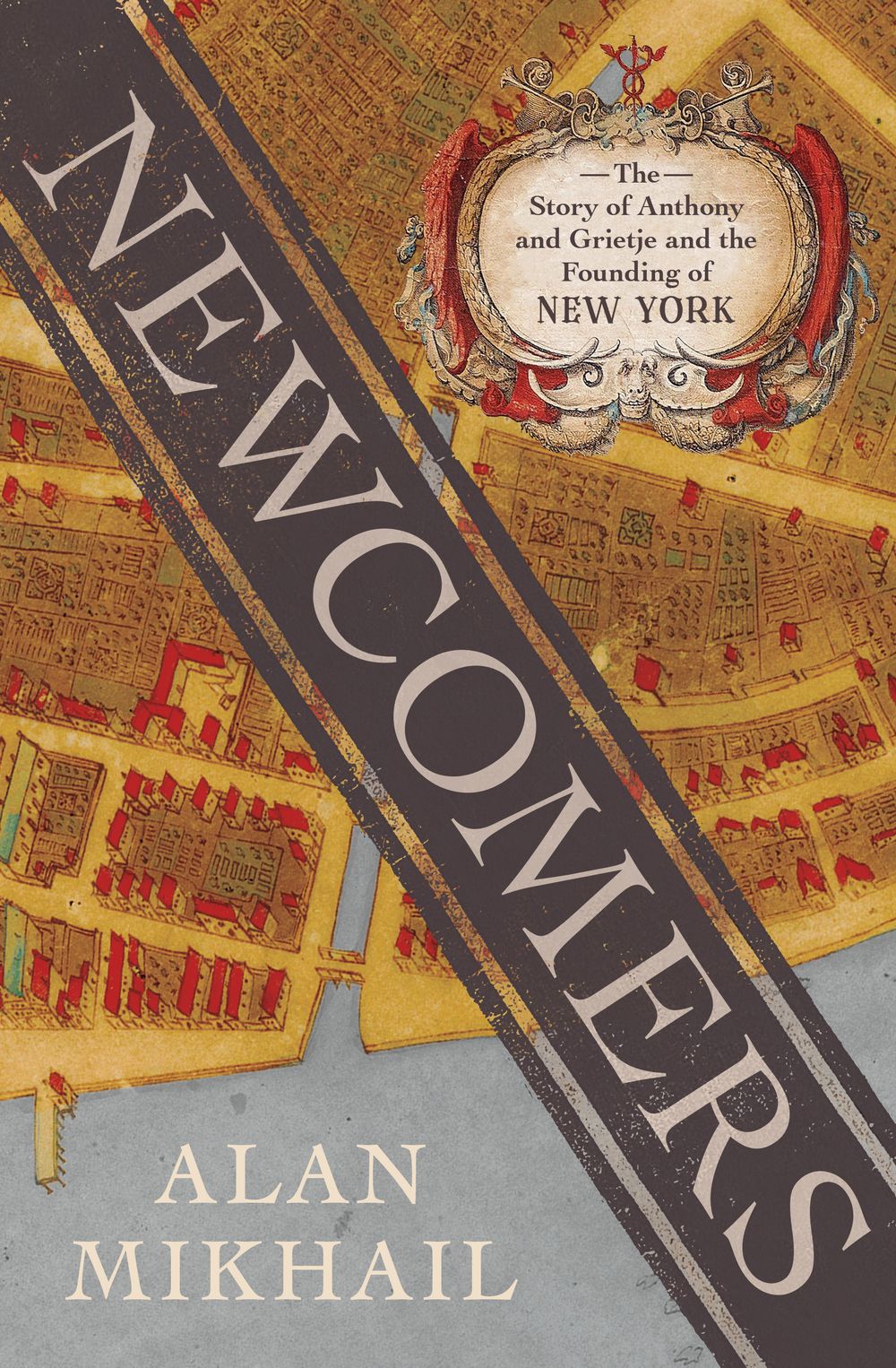
by Alan Mikhail (Liveright)NonfictionIn this short but powerful biography, Mikhail investigates the lives of Anthony Jansen van Salee and his wife, Grietje Reyniers, who rose from obscure origins—Mikhail speculates that Salee was a freed slave; Reyniers was a barmaid and sex worker—to become one of New Netherland’s founding families. Regarded by their fellow-colonists as “sinful moral outsiders,” van Salee and Reyniers were banished from the colony’s mainstay on Manhattan and forced to live on Long Island. It was there, by means of a war that the colony waged on Native people, that the couple forged new reputations as defenders and “anchors” of Dutch settlement, accruing property, hiring laborers, and joining the ranks of the landed élite.
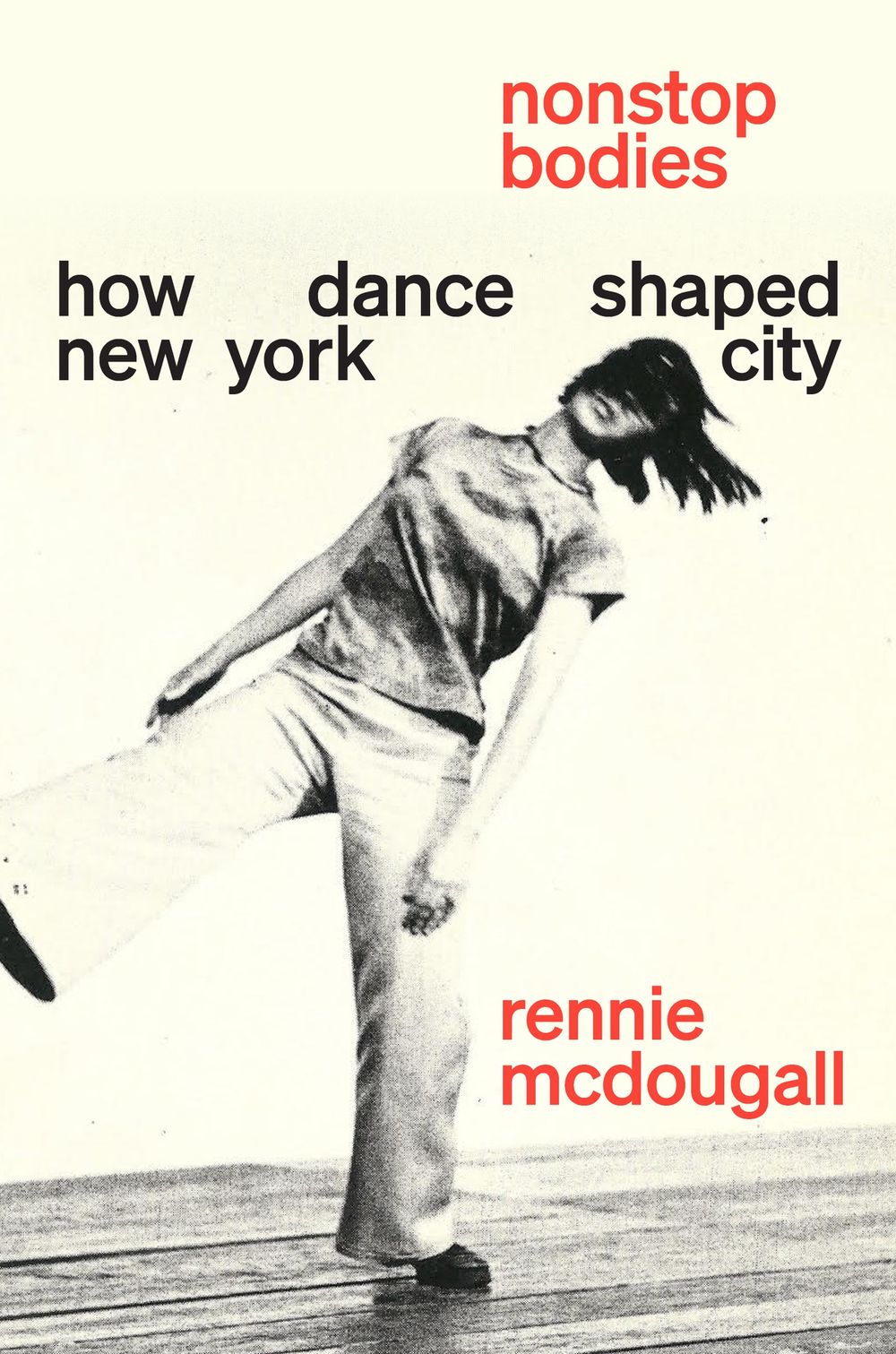
Nonstop Bodies
by Rennie McDougall (Abrams)NonfictionIn this new history, McDougall, an arts journalist, revisits the twentieth century, a particularly dance-rich time in New York City, with an eye to the social and cultural context in which dancing occurs. “Dance history,” he writes, “often maintains a separation between ‘high’ and ‘low.’ ” In “Nonstop Bodies,” he attempts to overcome this divide, placing modern dance pioneers, such as Martha Graham, side by side with the more democratic, but no less fertile, creativity of the people who invented the city’s iconic dances. The Lindy Hop, an inventive, joyfully virtuosic dance to jazz, was developed during the Harlem Renaissance. The dance, McDougall writes, “actively rejected the idea of individual creators,” revelling instead in the inventions of each dancer, each couple, who contributed to an ever-expanding pool of ideas about movement, which subsequently became available to all.
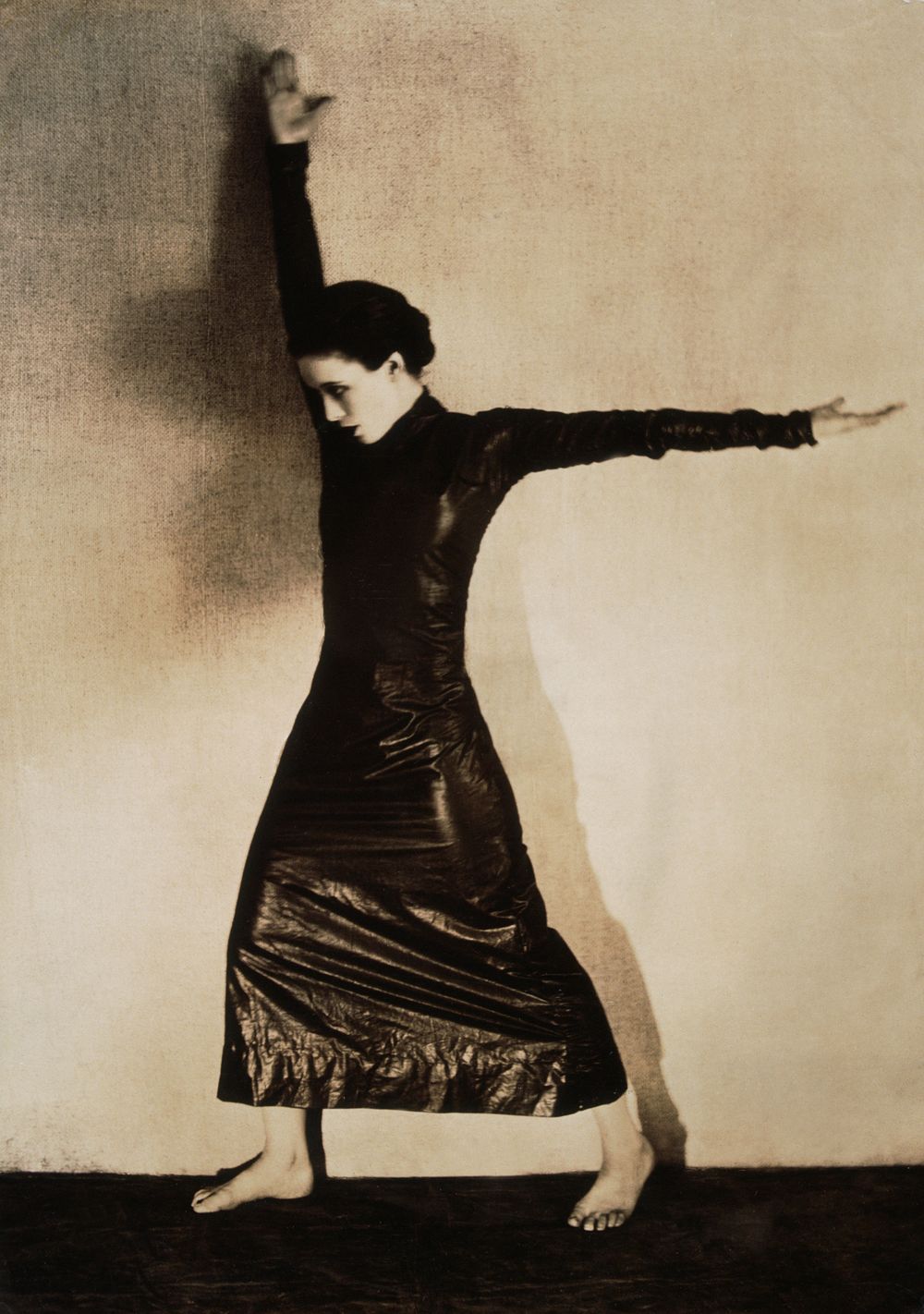 Read more: “When Dance in New York Took Center Stage,” by Marina Harss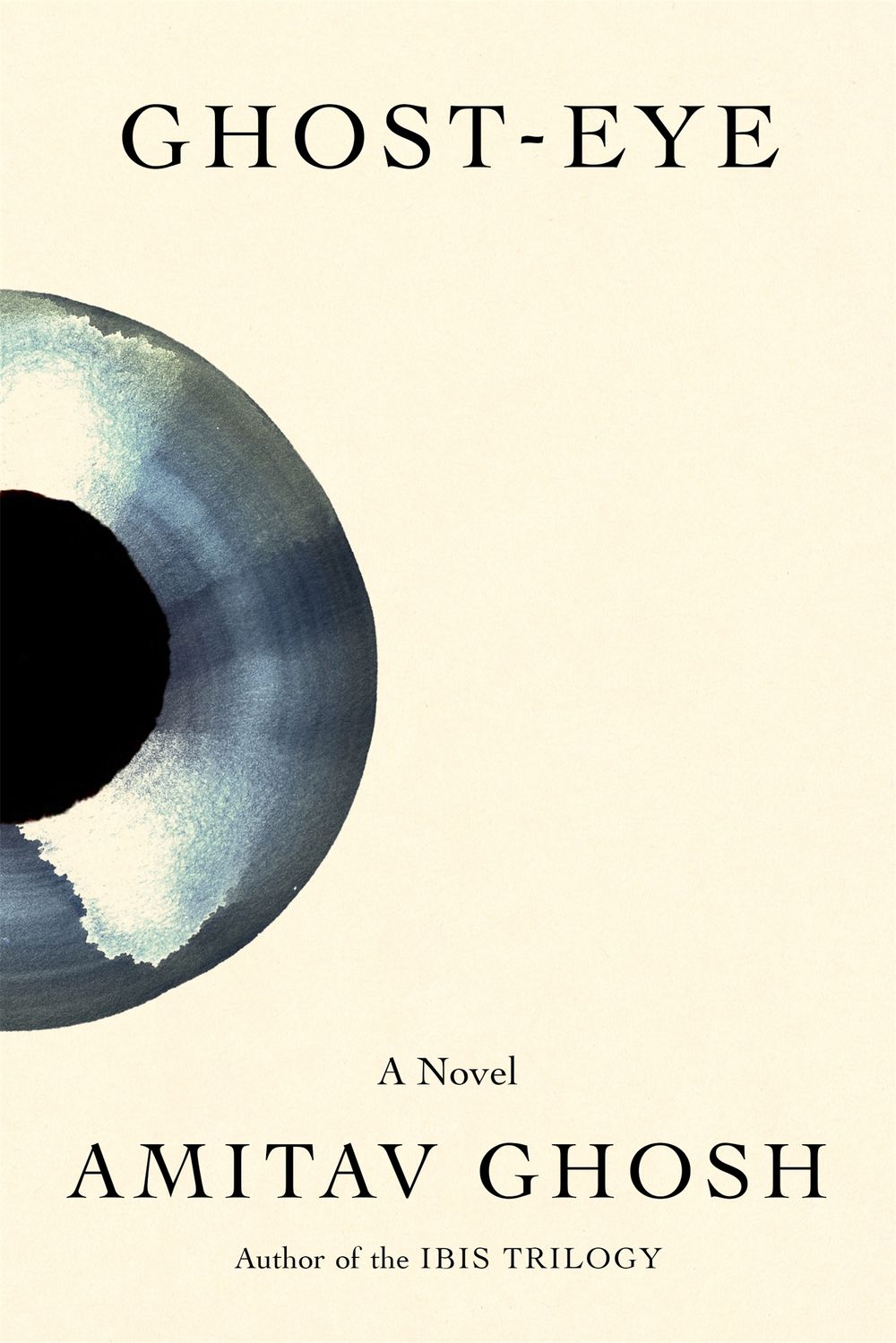
Ghost-Eye
by Amitav Ghosh (Farrar, Straus & Giroux)FictionThis sweeping novel opens in nineteen-sixties Calcutta, when a three-year-old girl demands to eat fish, shocking her family of Jains. Disturbed, her parents summon a psychologist, who concludes that she is the reincarnation of a person who grew up in a fishing village in the Sundarban forests, to the southeast. Fifty years later, an energy corporation announces plans to build a plant in that area, threatening ecological devastation. The psychologist’s adult nephew has been recruited by an environmentalist who believes that the psychologist’s case files hold the key to saving the forest. The story—replete with history and science, spiritualism and synchronicities—suggests that to find salvation, we must “remind ourselves of the old ways.”
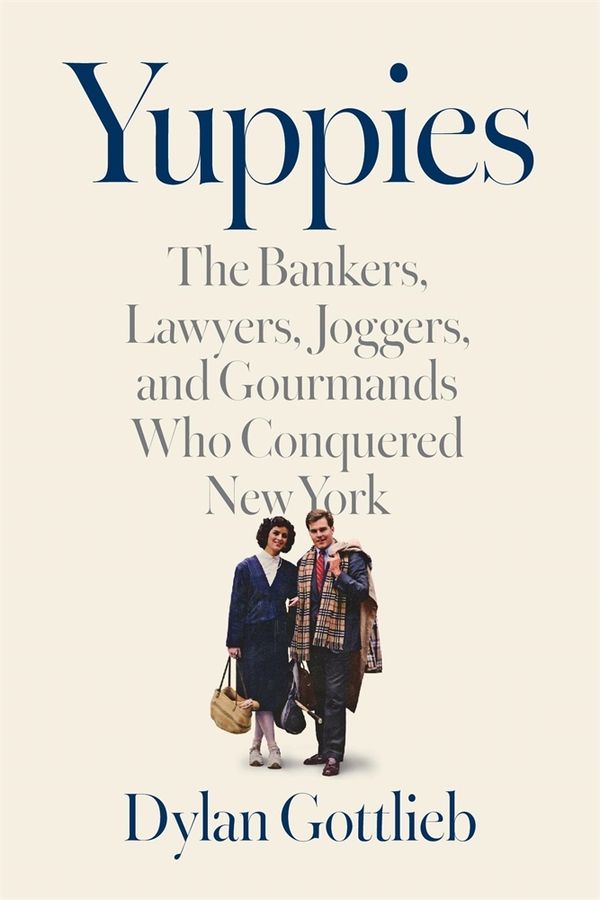
Yuppies
by Dylan Gottlieb (Harvard)Nonfiction“Yuppies” examines the men and women employed in the intertwined fields of finance and Big Law in nineteen-eighties New York. The book’s “precipitating event,” Gottlieb writes, is “the unshackling of Wall Street during the Carter and Reagan administrations,” when the prospect of high-paying jobs drew legions of ambitious young people to New York. “In 1979, only one in thirty seniors at the University of Pennsylvania headed to Wall Street,” Gottlieb reports. “By 1987, it was one in three.” Eschewing pop-sociological clichés, he focusses on the thing that defined yuppies more deeply than their fondness for Chardonnay or sushi: their work. Career, for his subjects, was a life style, an ethos of striving and competition which defined their professional lives, pervaded their leisure hours, and reshaped the American economy.
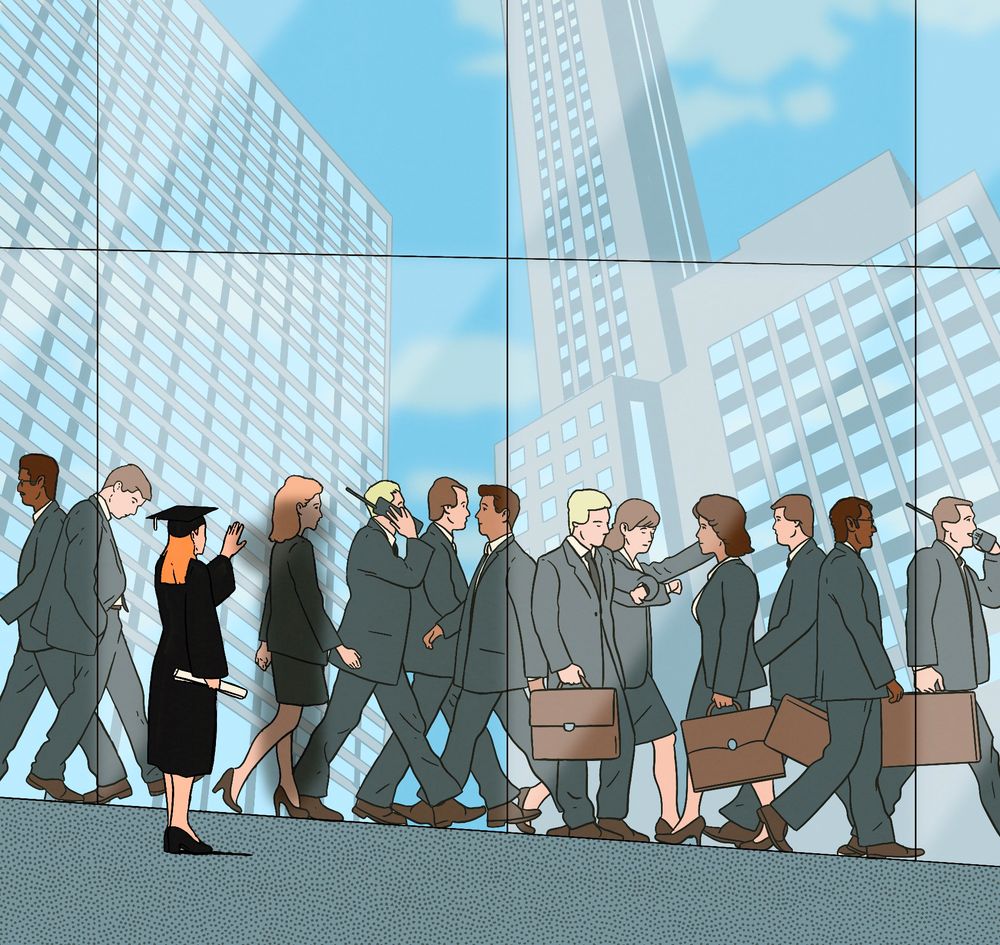 Read more: “When Did White-Collar Work Start to Look So Bleak?,” by Molly Fischer
 From Our Pages
Baby in a Box
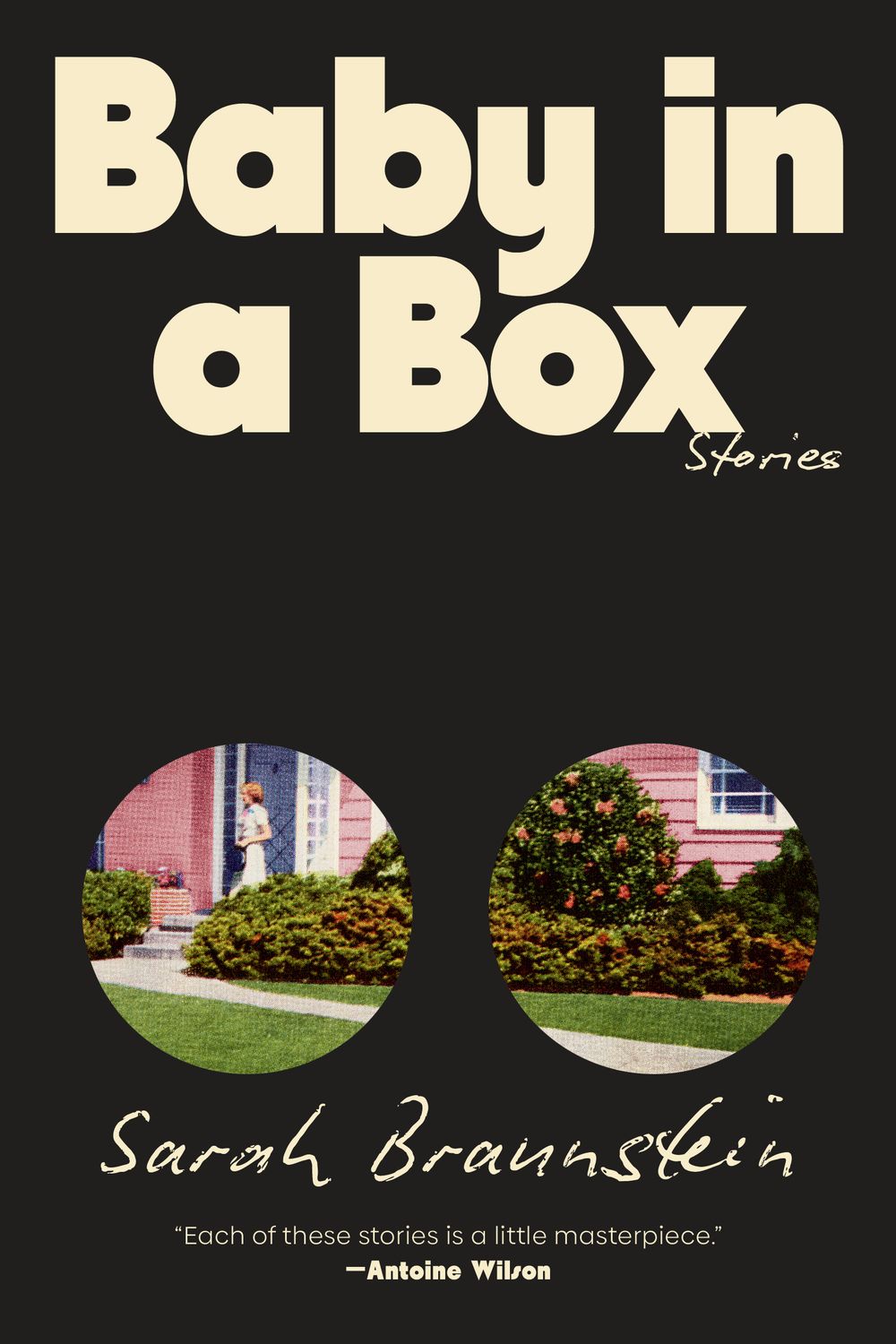
by Sarah Braunstein (Norton)FictionThe first collection of stories by Braunstein grapples with relationships of care. A motel housekeeper and a guest, a single mother and her child, teen-age best friends—these dynamics and others are examined in idiosyncratic, sidelong ways. The stories, four of which appeared in the magazine, are strange, sly, and funny.


Once upon a Time There Was Truth
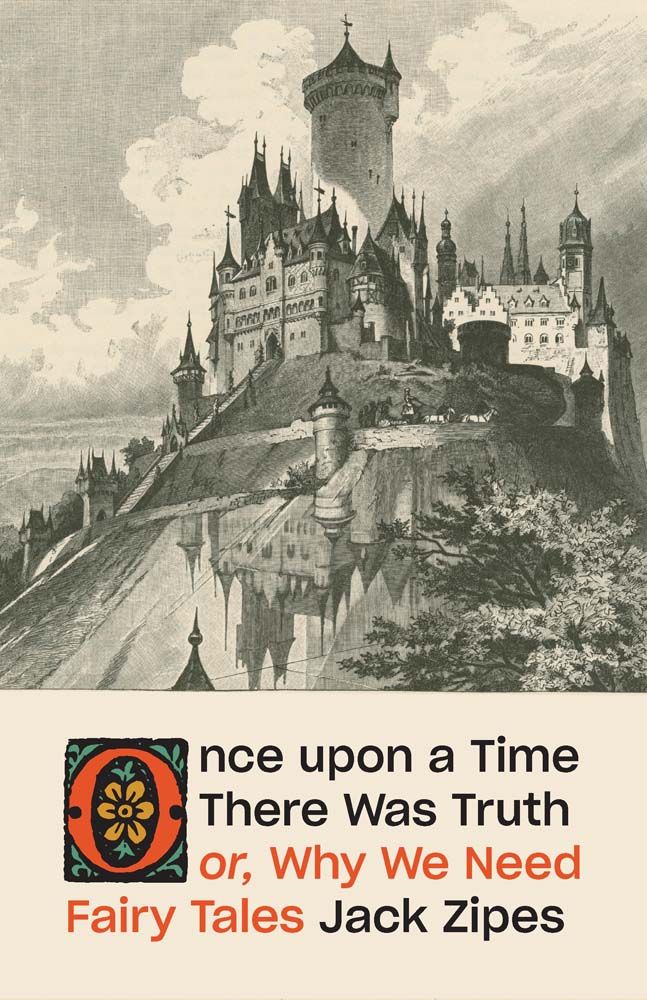
by Jack Zipes (Yale)NonfictionZipes, an accomplished scholar of fairy tales, explores the genre’s enduring appeal and its social functions in this erudite essay collection. He acknowledges the long global history of folk stories, but focusses on the Western “literary” fairy tale, charting its emergence out of oral tradition—aided by the printing press, the standardization of vernacular languages, and the rise of modern nation-states—and the process by which it became oriented primarily toward children. Examining both classics (“Hansel and Gretel”) and commercial empires (Disney), Zipes illuminates the fairy tale’s often contradictory tendencies, among them its propagation of conformist values along with its subversive potential, and its power to either “domesticate the imagination” or liberate it.
The Lost Soldiers
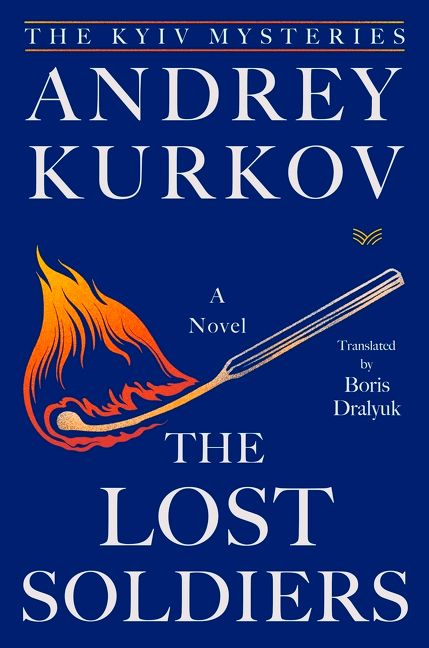
by Andrey Kurkov, translated from the Russian by Boris Dralyuk (HarperVia)FictionIn this madcap detective story, Samson Kolechko, a young investigator in Kyiv, is assigned a seemingly impossible case. The year is 1919, the midst of Bolshevik takeover in Ukraine, and twenty-eight Red Army soldiers have vanished into thin air, last seen at a bathhouse. Kolechko must track them down. He gets little help from the absurd locals, who range from obstinately useless to selfishly malicious. Kolechko is a kind of anti-Poirot—a fairly conventional man whose powers of detection lie not in a dazzling intuition but in a supernatural severed ear, which has a bug-like ability to pick up dialogue. In Kurkov’s hands, his efforts offer both serious meditations and page-turning diversion.
Radical Duke
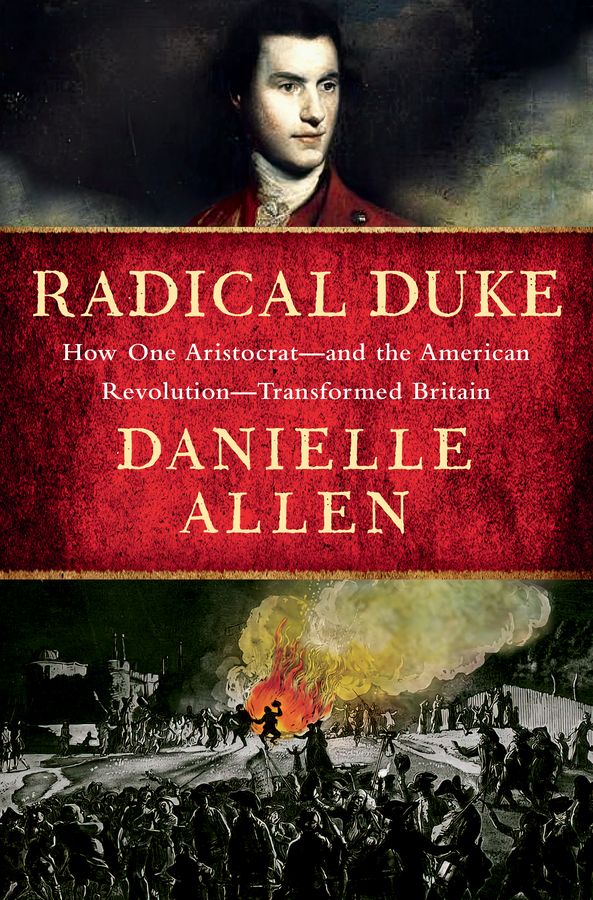
by Danielle Allen (Liveright)NonfictionCharles Lennox, the third Duke of Richmond, rarely gets more than a footnote in history books. When he is remembered at all, it’s for his beauty, appetite, Sèvres porcelain, and radical politics. Then Allen, a political-philosophy professor at Harvard, found an early copy of the Declaration of Independence in Sussex, England, that had once belonged to Richmond. Her discovery led to this biography, which revises the familiar story of American independence as an American achievement alone. Allen argues that the Revolution was also charged by Richmond’s criticisms of the Crown and advocacy for democratic equality across the Atlantic. A confidant and collaborator of Thomas Paine, Richmond was among the first members of England’s élite to champion freedom of the press, religious liberty, and universal male suffrage. “Radical Duke” makes a vigorous case for Richmond as a neglected founder whose ideas helped propel the colonists’ rebellion and anticipated modern democratic representation.
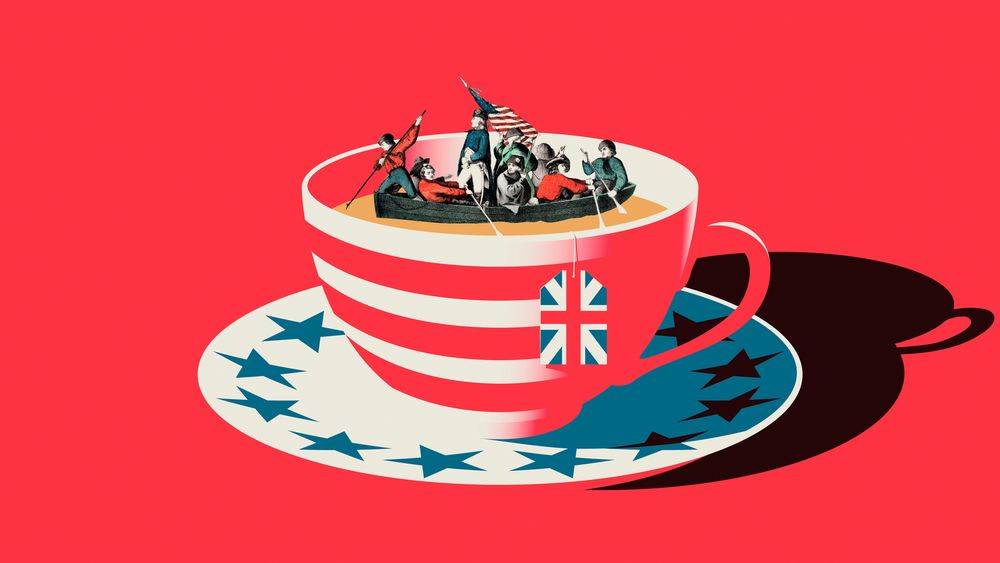 Read more: “Did a Rowdy English Nobleman Mastermind the American Revolution?,” by Adam Gopnik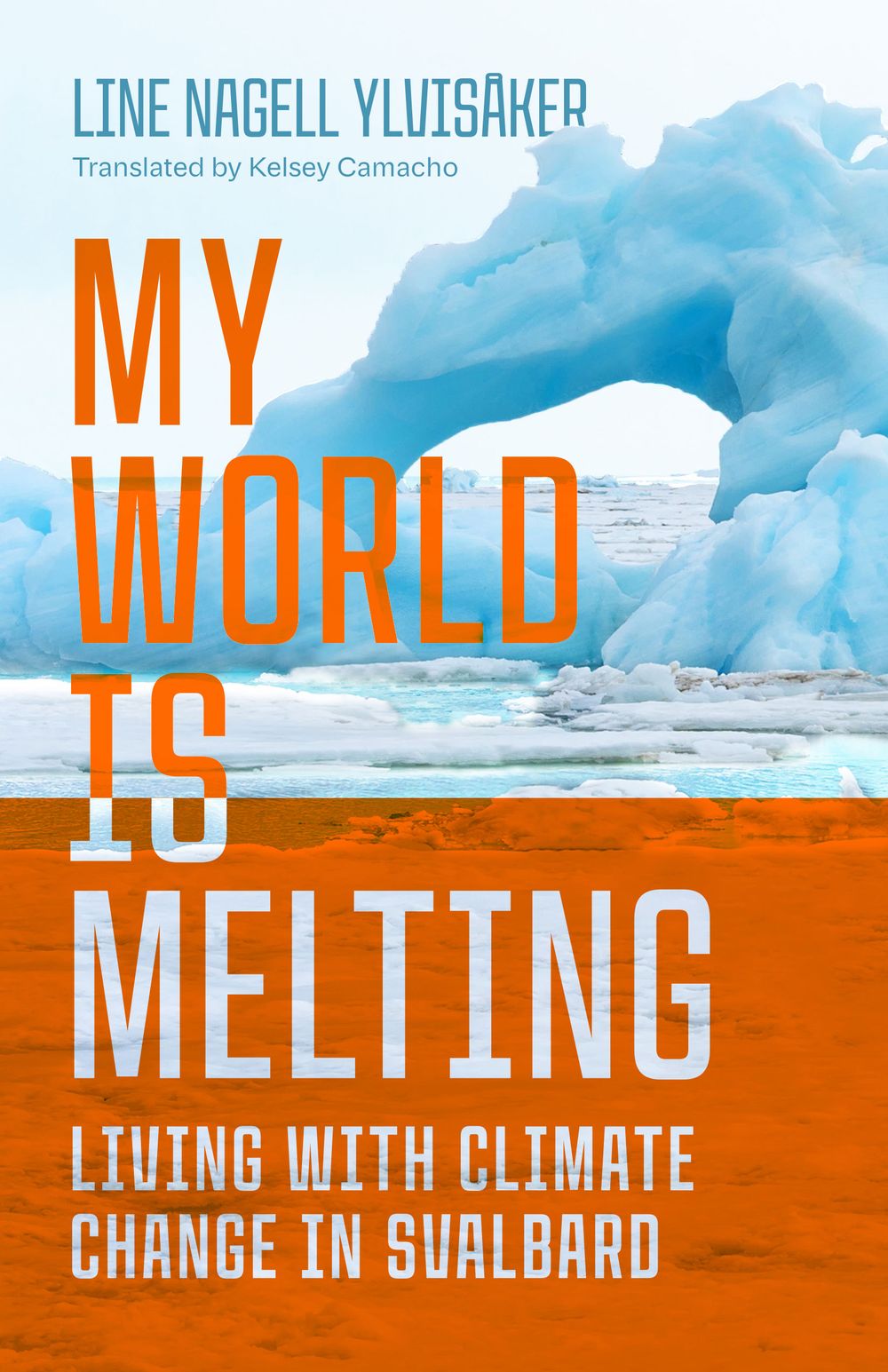
My World Is Melting
by Line Nagell Ylvisåker, translated from the Norwegian by Kelsey Camacho (Wisconsin)NonfictionThe islands of Svalbard are the world’s northernmost inhabited region; they are also experiencing climate change at an accelerated pace. In this memoir, Ylvisåker, who is from Longyearbyen, a small town in the archipelago which was hit by a deadly avalanche in 2015, documents Svalbard’s transformation. She interviews a trapper who testifies to the changing patterns of the native animals he has interacted with over the past half century, and shows locals struggling with the pressures of a “last-chance tourism” boom. Her portrait of residents pinched between floods and receding sea ice is a testament to their love of this vulnerable land that is their home.

Homebound
by Portia Elan (Scribner)FictionThis imaginative début novel takes place in two settings: Cincinnati, in the nineteen-eighties; and a flooded world, six hundred years later. In the latter time line, Yesiko, a middle-aged ship captain who is burdened by medical debt, picks up some mysterious passengers—including a moody robot—who promise to pay handsomely. In Cincinnati, a teen-ager named Beck ponders an unfinished video game designed by her late uncle, who has died of an H.I.V.-like disease. At once a work of dystopian science fiction and a tale of lesbian self-discovery, the novel is ultimately concerned with “what it means to show up even when you’re afraid.”


Land
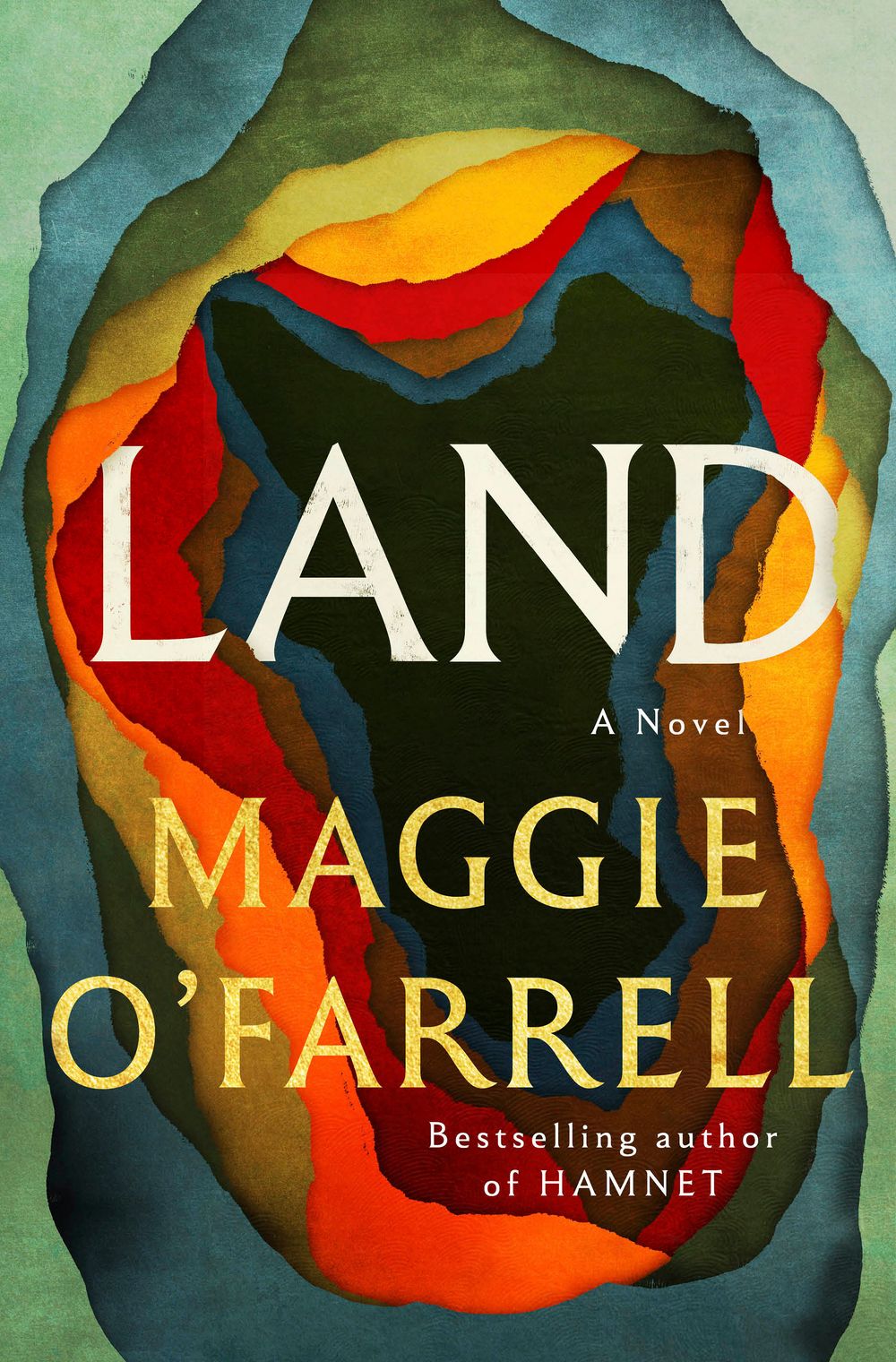
by Maggie O’Farrell (Knopf)FictionCartography serves as both narrative engine and theme in “Land,” a new historical novel by the author of “Hamnet.” A central figure, Tomás, is a skilled laborer in eighteen-sixties Ireland, tasked with making maps for the British, who are occupying the country. He wants to depict not only relevant topographical features and place names but also the ravages of the Great Hunger, which killed twelve per cent of the population and led two million more to emigrate. Through its characters, the book stages an argument about the virtues of various types of maps—those measured, those recollected, those dreamed up.
 Read more: “Maggie O’Farrell and the Art of Inventing the Past,” by Katy Waldman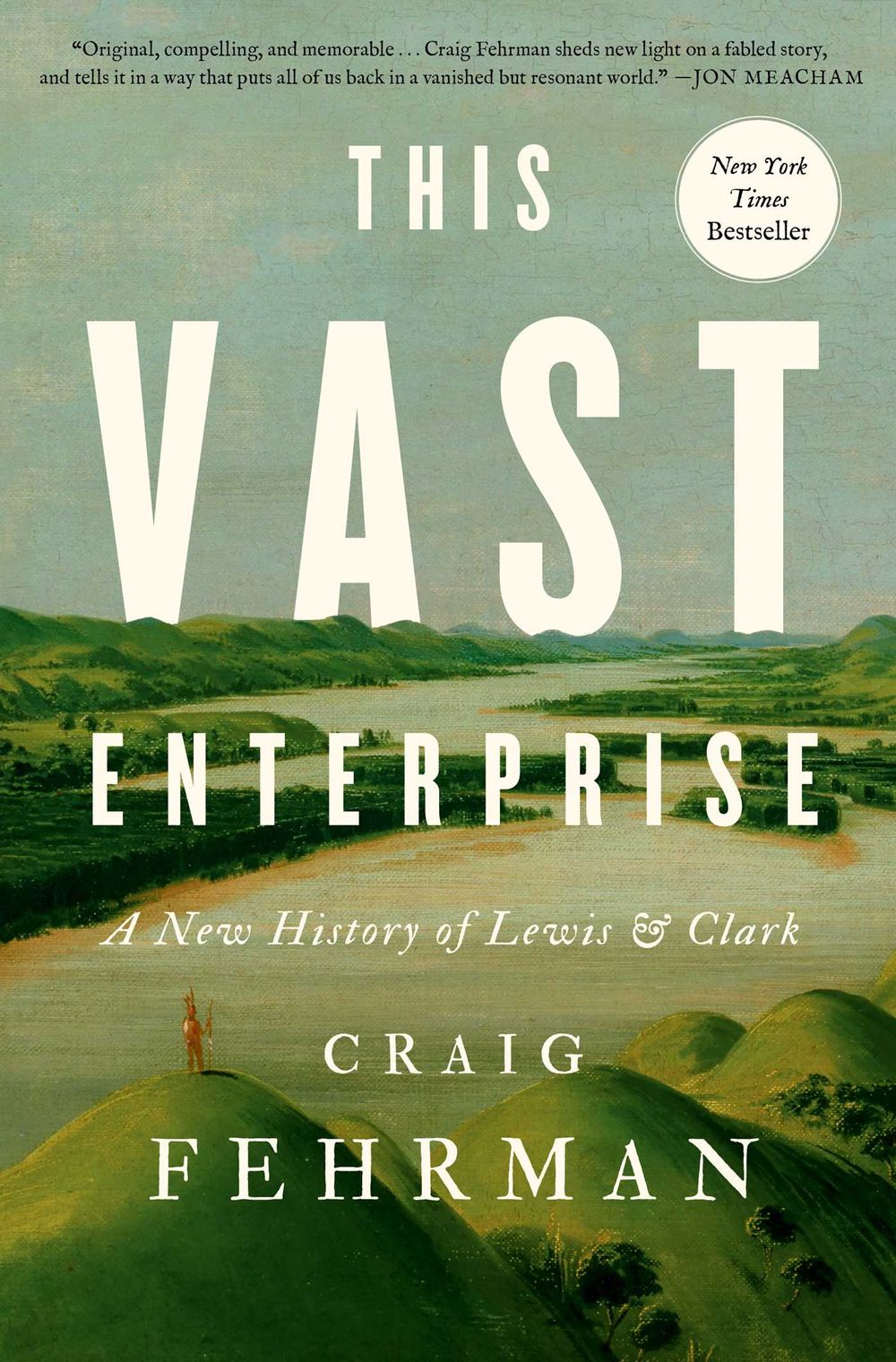
This Vast Enterprise
by Craig Fehrman (Avid Reader)NonfictionHistory is usually written in the third person, even though it has to be lived in the first, and Fehrman takes advantage of the rich and deep documentation of the Lewis and Clark expedition to try to reconcile the discrepancy. The book adopts the perspectives not only of Lewis and of Clark but also of other members of the expedition, including an enslaved Black man named York, whom Clark brought along as a personal servant, and of five Native Americans whom the explorers encountered. Fehrman doesn’t attempt to speak in the voices of his subjects. He merely focusses on what each individual experienced and knew, while keeping in mind how much they didn’t experience or know—an analytic technique that historians have always been free to borrow from novelists but which they often lose sight of in the scramble to accumulate data.
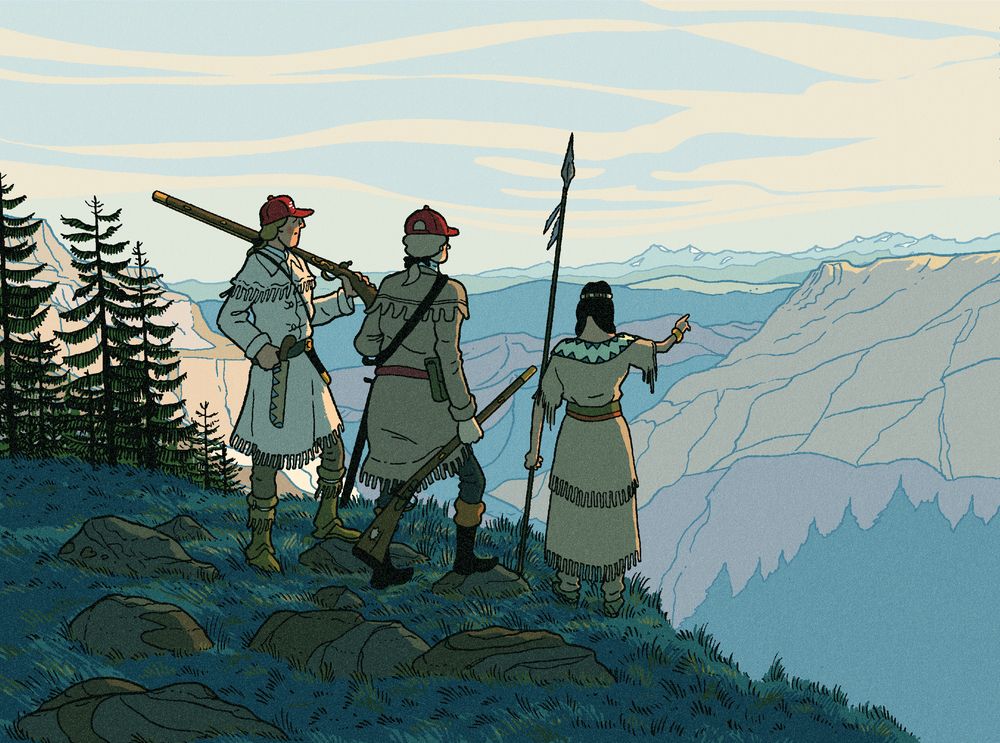 Read more: “Looking Back at Lewis and Clark,” by Caleb Crain
Adrift in the South
by Xiao Hai, translated from the Chinese by Tony Hao (Granta)NonfictionAt fifteen, the writer Xiao Hai left his home town to find work in the factories of southern China. This deeply affecting memoir, which is strung like a wire between the alienation of the assembly line and the dignifying promise of literature, documents his experience. Hai first began to write short verses from the production floor of a garment factory, where, tasked with stitching patterns onto athletic jerseys, he was overcome by feelings that he struggled to name. By the time he moved to a village in Beijing, about a decade later, he had amassed a trove of some four hundred poems. “I always returned to my dorm with a little strength left,” Hai recounts, “and with that strength I dreamed the simplest, most sincere, most fervid dreams.”
Magadh
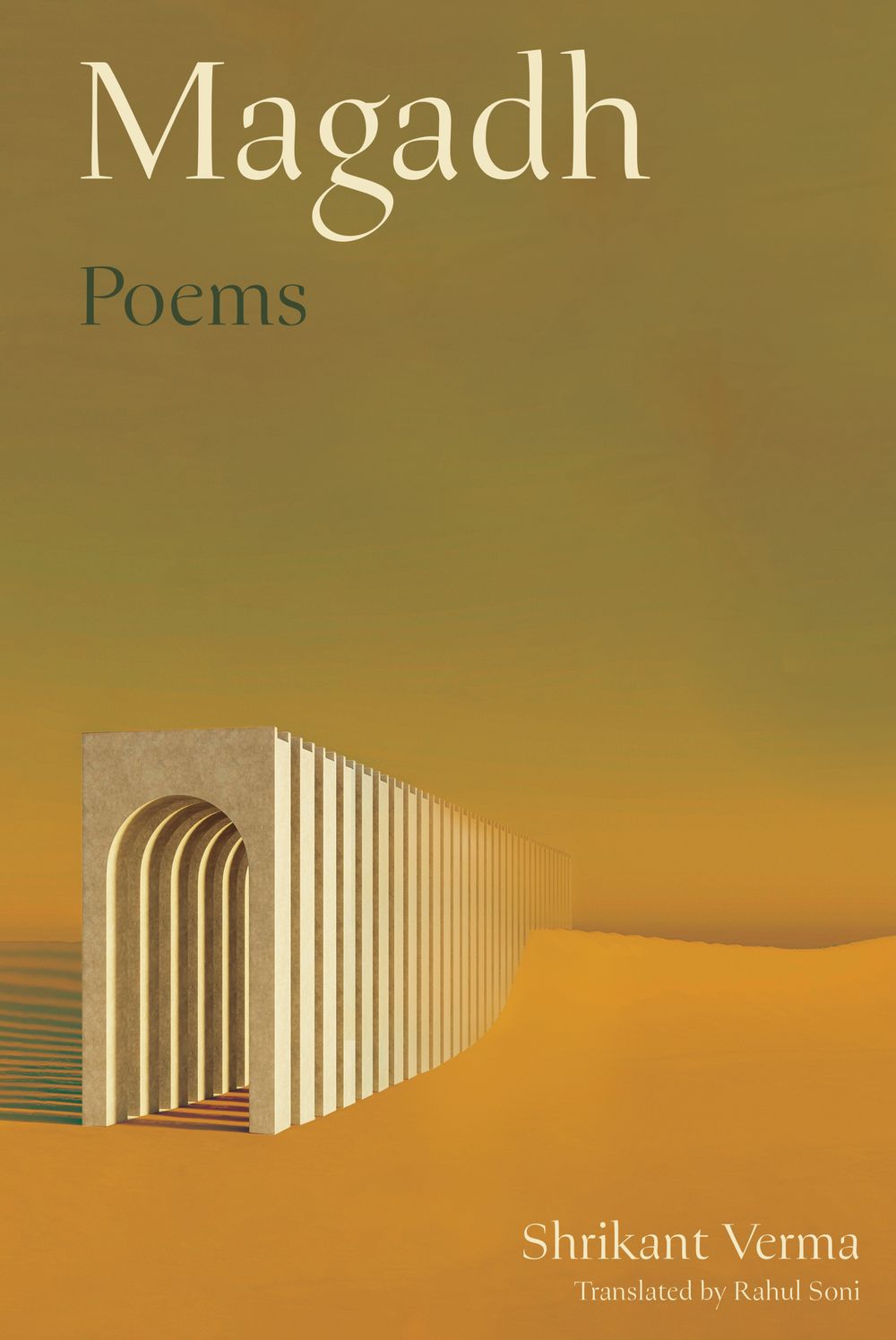
by Shrikant Verma, translated from the Hindi by Rahul Soni (Liveright)PoetryThe title of this collection, first published in 1984, and written by a central figure of the modernist Nayi Kavita (New Poetry) movement, refers to an ancient kingdom that looms large in Indian history and myth. Verma, who also served as a member of Parliament, renders Magadh as a place at once real and imaginary, lasting and lost—both a point of origin and an unreachable destination. The book circles political concerns that remain relevant today, including empire, caste prejudice, and the dangers of despotism and corruption. But in Soni’s careful translation, the repetitions and subtle variation of Verma’s poems also achieve a haunting, transcendental resonance.
The Dog’s Gaze
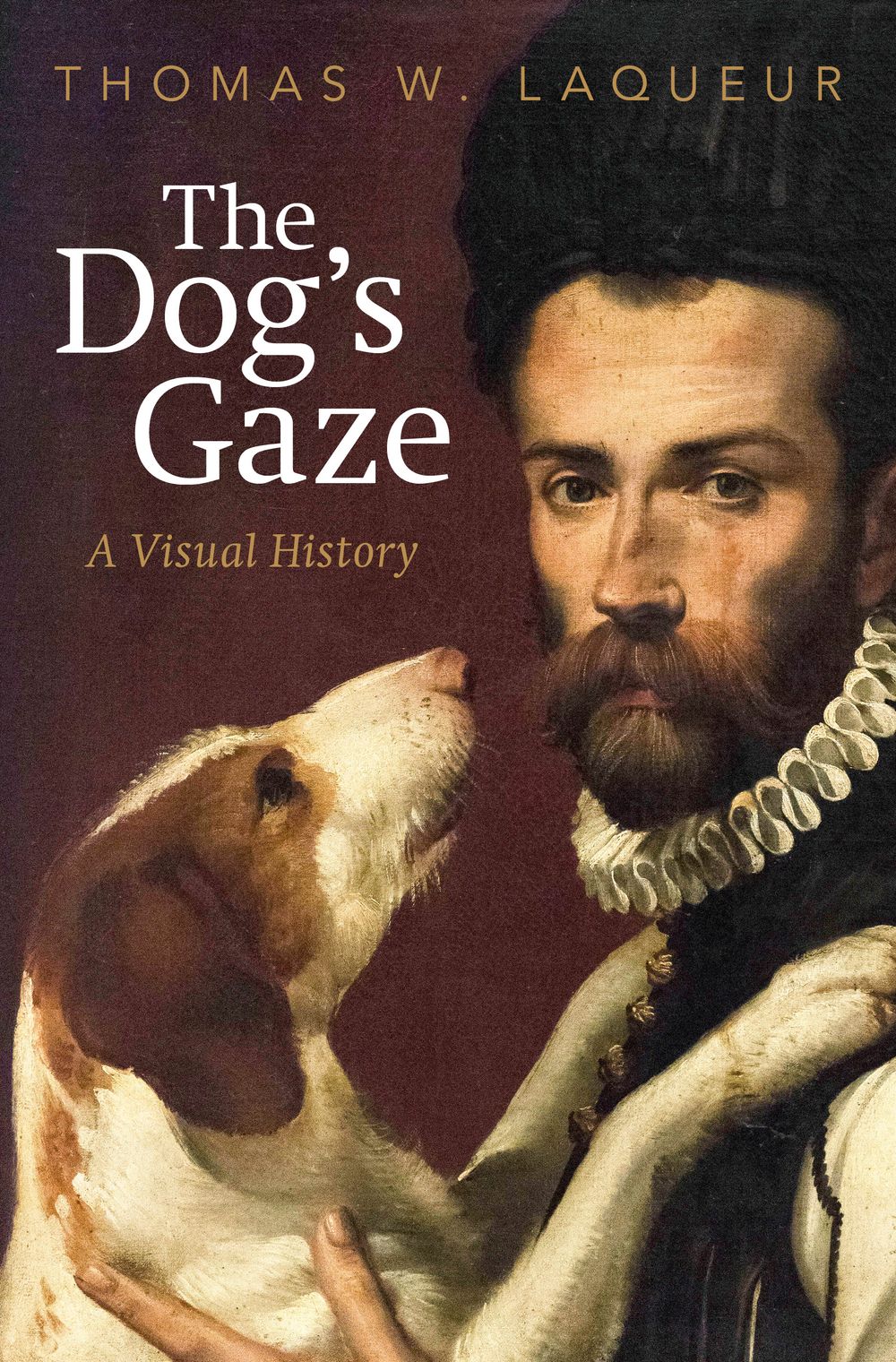
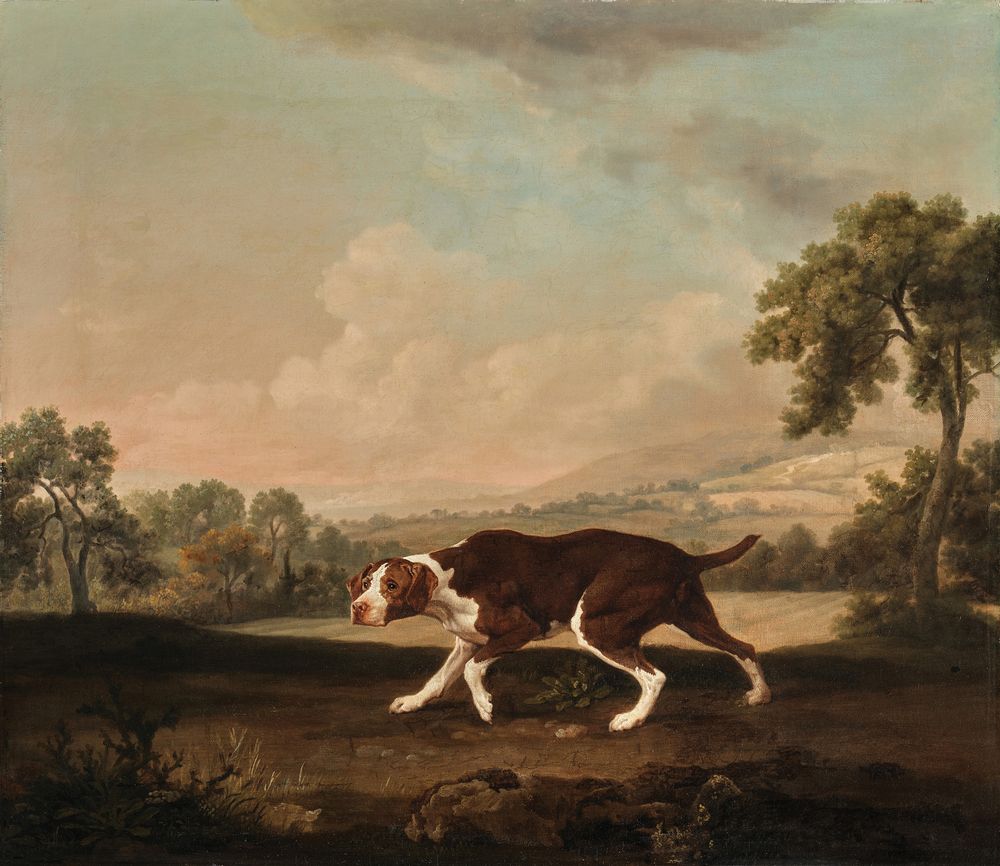
by Thomas W. Laqueur (Penguin Press)NonfictionA dog’s gaze is both omniscient and deeply innocent. It longs to be made into art—and, for centuries, dogs have been. Laqueur, a historian at the University of California, Berkeley, looks back at the canines immortalized in visual art work and considers how they help us see ourselves. We bred dogs, then illustrated them, to be affectionate, trustworthy witnesses to the human condition; they hunt beside us, like the hounds of Bruegel the Elder’s “The Hunters in the Snow,” and complete our homes, like the gray mutt curled on a blanket in Matisse’s “Interior with a Dog.” Far from the wolves from which they evolved, dogs possess and convey the emotions that humans value in each other, reminding us of our humanity when we need it most. And yet, Laqueur argues, their undying companionship and captivating stare is unlike anything we’ve ever found in our own species.
 Read more: “What Dogs See When They Look at Us,” by Adam Gopnik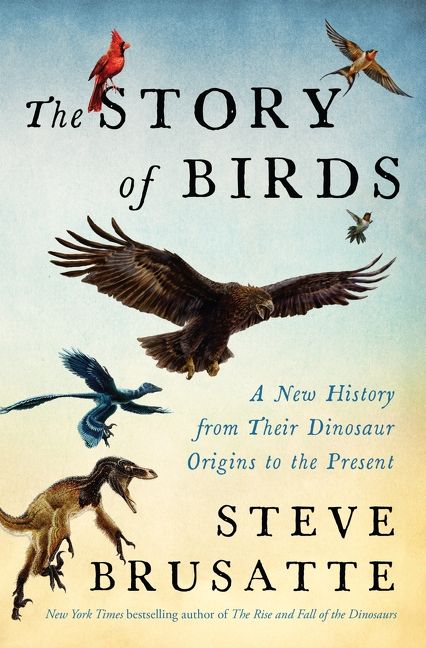
The Story of Birds
by Steve Brusatte (Mariner)NonfictionAs this natural history points out, birds are dinosaurs—the only ones who survived the last extinction event. A single Jurassic species, Archaeopteryx, is the reptilian ancestor of all birds today, from the flightless, kickboxing cassowary to the penguins who fly underwater. Brusatte, a renowned paleontologist, leads readers through time in a series of vignettes—a predator hunt with an apocalyptic Cretaceous backdrop, a mating ritual between water birds, a monster preying on a marsupial just fifteen million years ago—and pairs them with fossil discoveries that detail their evolutionary past. Throughout, academic precision gives way to sheer delight over these animals, and their song and flight.

Look What You Made Me Do
by John Lanchester (Norton)FictionA study of class, marriage, and generation gaps wrapped in a revenge story, this wickedly plotted black comedy centers on two women in London: Kate, a wealthy, middle-aged ex-art historian, and Phoebe, a TV writer in her early thirties. Their entwinement begins when Kate learns that the most popular Netflix show of the moment, “Cheating,” contains characters modelled on her and her husband—who, in the show, is having an affair with a younger woman. As Lanchester unspools the mystery of Kate and Phoebe’s connection, the novel poses questions like the ones “Cheating” ’s viewers revel in asking: “Is there a single person in it you don’t hate or is that part of the point? Are the boomers worse than the millennials or is it the other way round?”


John of John
by Douglas Stuart (Grove)FictionSet on a remote island off the coast of Scotland, this rich, intricate novel follows a young gay art-school graduate, Cal, who returns home when his devout father, John, a tenant farmer who raised him alone, intimates that his grandmother is ill. In Falabay, the largely Presbyterian village of his upbringing, Cal hides his sexuality; he remembers people looking at him, as a teen-ager, with “faint unease.” Stuart’s novel examines the threads that bind Cal and John together—blood, faith, tradition, grievance, violence, and more commonalities than they know. At the same time, it is a coming-of-age story, in which Cal must define the relationship between himself and his origins. “Do you even want all this?” his mother asks him, at one point. “To be home. To be here.”

Unvaccinated Under God
by Kira Ganga Kieffer (Princeton)NonfictionVaccine hesitancy in the United States is as old as vaccines themselves. In this concise and lucid history, grounded in the observation that anti-vaxxers are poorly understood in part because vaccine proponents shame skeptics as aberrant, Kieffer reframes vaccine hesitancy as a form of religious expression. She demonstrates how the modes of thought and behavior that have shaped anti-vaccine movements parallel those found in American evangelical Christianity—particularly an emphasis on personal experience as the highest authority. Ultimately, Kieffer argues that if the establishment hopes to address hesitancy effectively, it must learn to engage with patients’ anxieties, and “move beyond oversimplifying people to their positions.”
three six five
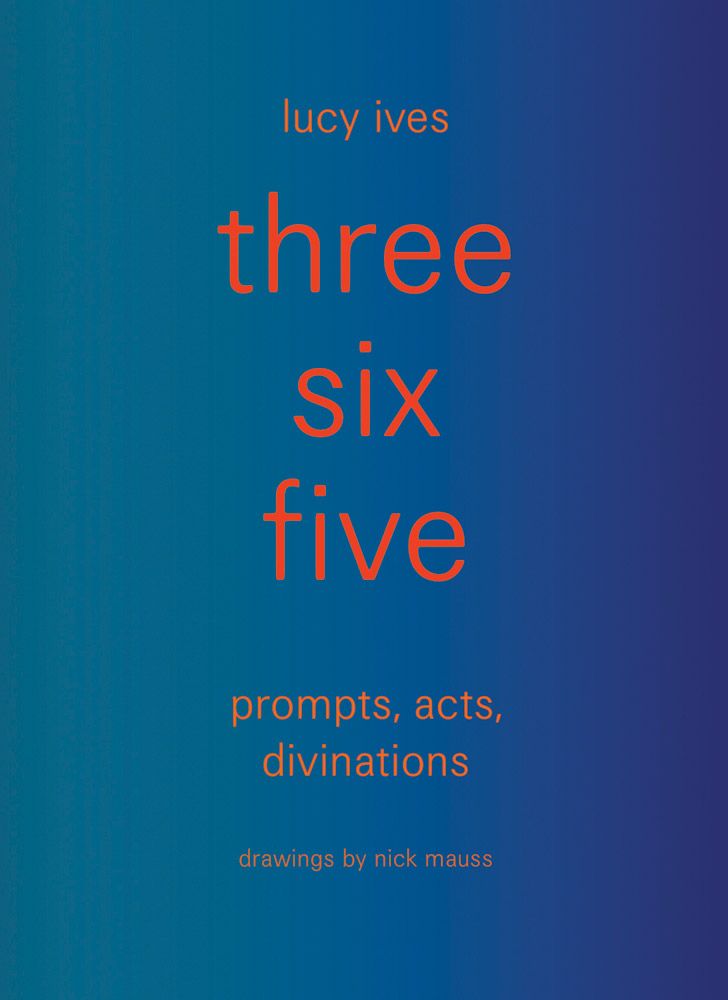
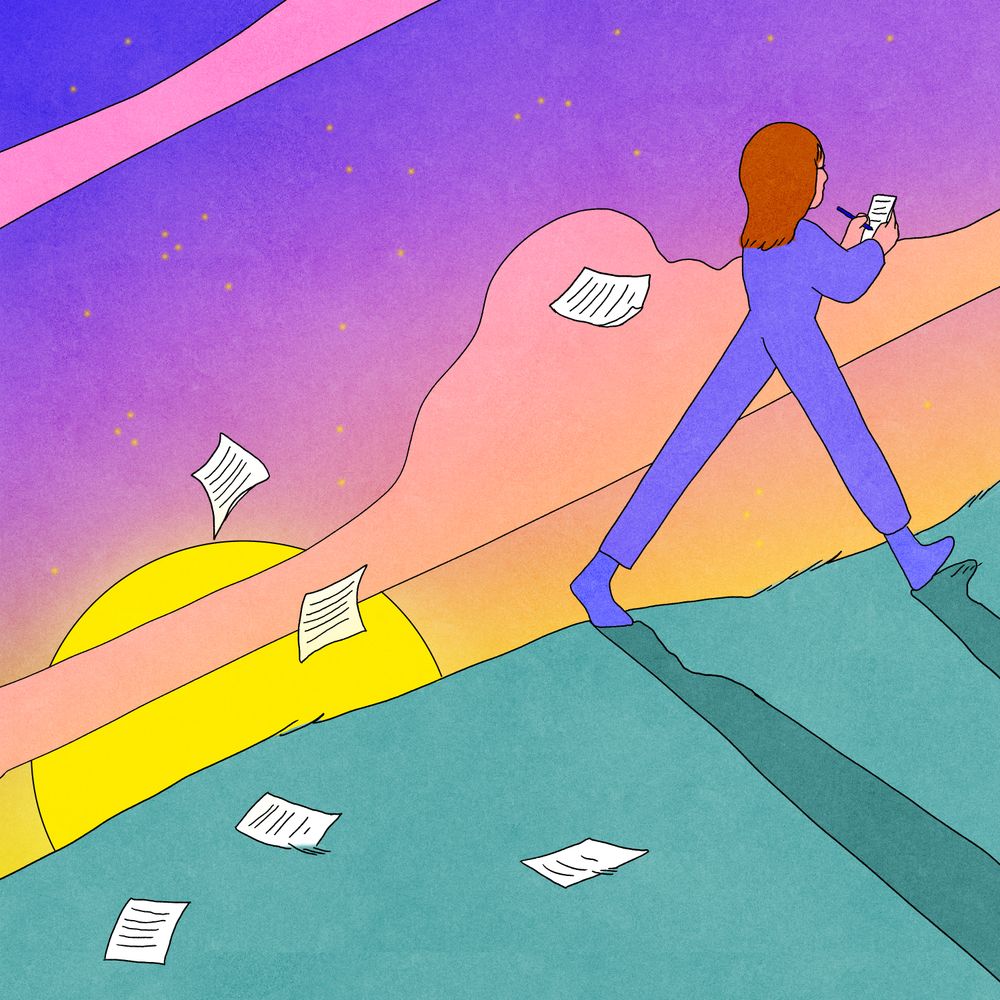
by Lucy Ives (siglio)NonfictionThis collection of writing exercises by the novelist, poet, and essayist Lucy Ives is built around the premise that an exercise succeeds when there is no right answer. One, “how to walk backward,” begins, “Write a description of your bed after you have slept in it.” Then a chair you’ve sat in, a room you’ve left, a glass you’ve drunk from, a person you no longer know, a belief you no longer hold; each instruction receding a little further until you’re trying to see “something so far out of sight that it cannot be seen.” Others offer tasks ranging from reviewing “an imaginary book” to writing a thirty-page sentence. If you can pull off that last one, Ives writes, “you are ready for the big leagues!”
 Read more: “Why the Best Writing Advice Is Often the Weirdest,” by David O’Neill
 From Our Pages
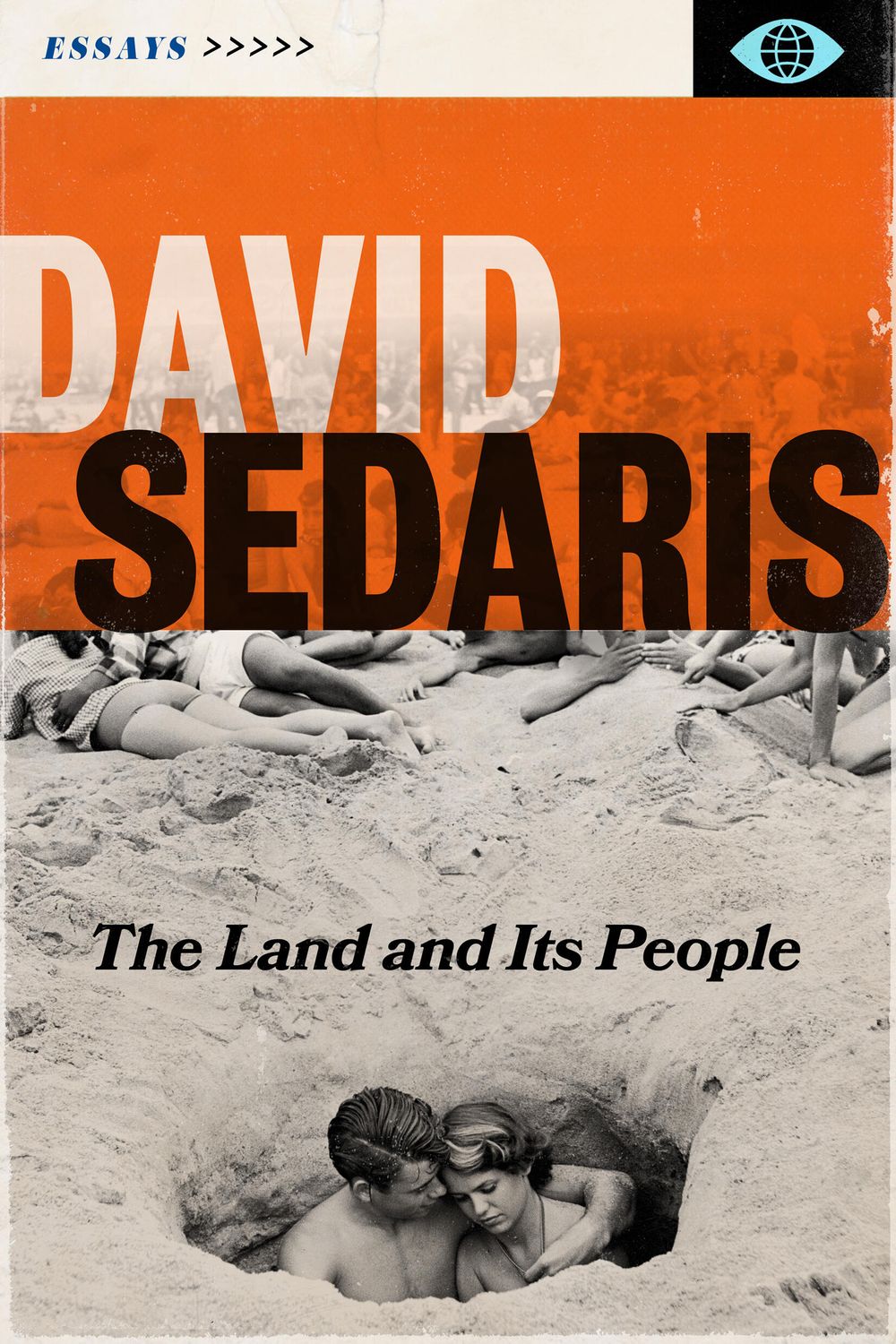
The Land and Its People
by David Sedaris (Little, Brown)NonfictionIn many of the essays in this stimulating and sharp-witted collection, Sedaris is on the move: he’s bitten by a dog when he’s on tour in Portland, Oregon; he’s summoned to Rome, along with many of his fellow-comics, for an audience with Pope Francis; he’s atop a horse on the side of a volcano in Guatemala (though, strictly speaking, as he points out, he covered a mere fifth of a mile by horse). But in the volume as a whole, there’s a sense that Sedaris is traversing a more complicated landscape than that of a gritty urban street or the Vatican or a lava field as he reckons with the prospect of reaching an age when certainties can become almost sclerotically certain (“I’m in the hard part of getting old—the part where everything irritates you”) or he realizes that scrolling through an address book risks becoming a mortality exercise (“When the dead outnumber the living, I should probably get my affairs in order”). Several of the pieces first appeared in the magazine.
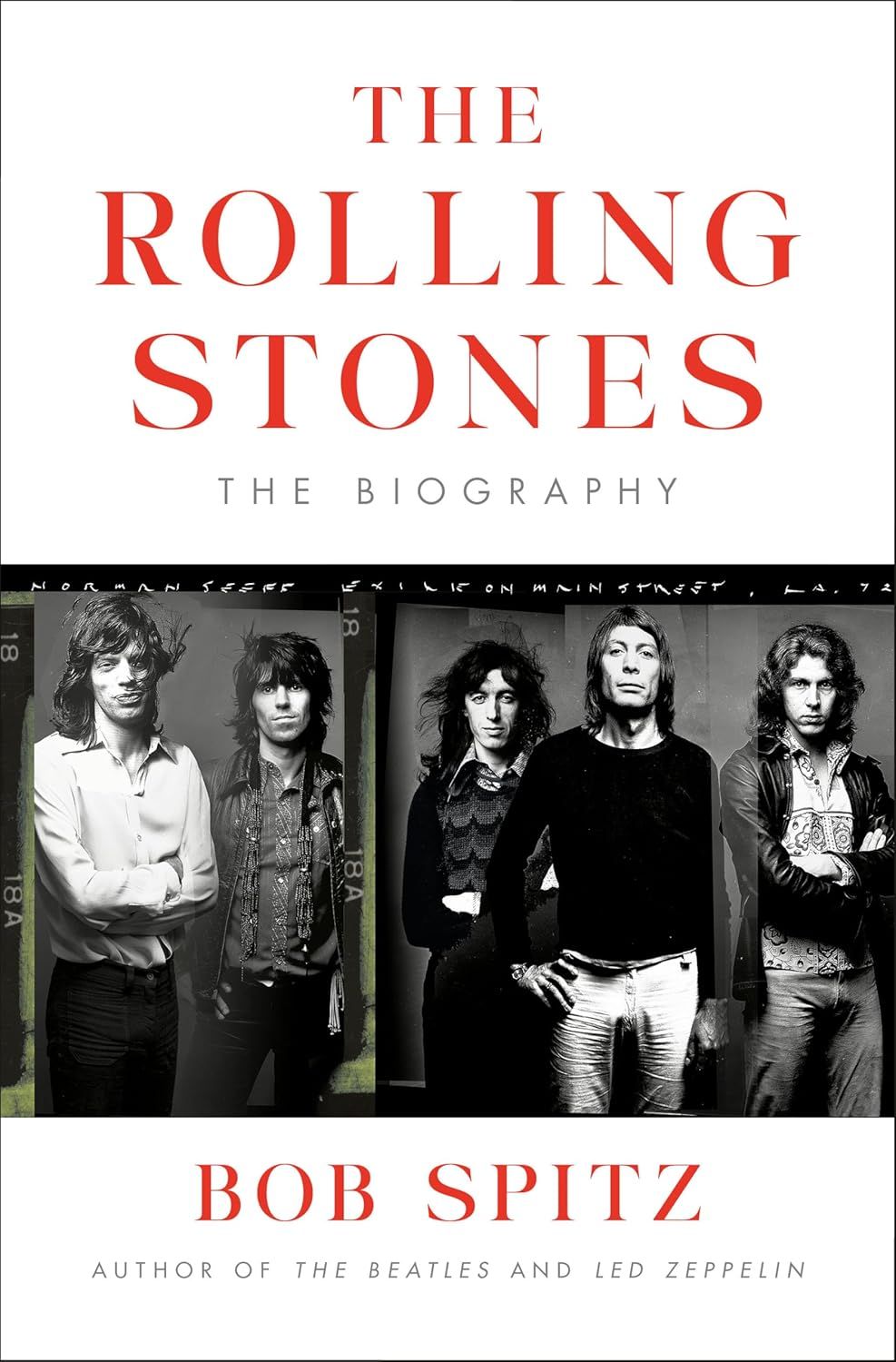
The Rolling Stones
by Bob Spitz (Penguin Press)NonfictionIt all started in 1961: “Two boys meet at a train station one morning, in a suburb east of London.” The teen-agers, Mick Jagger and Keith Richards, bonded over a mutual love of the blues—“an alien music that has no roots in England”—and started a band that became, once the Beatles had left the stage, the world’s biggest rock act. This rascally, standard-bearing biography presents the saga of the Rolling Stones as a melodrama fed by forces in diametric opposition: blues versus pop, sobriety versus altered consciousness, the Stones versus the law, Stone versus Stone. By 1970, the band had survived many ordeals, and, Spitz writes, “Despite it all, they never considered breaking up.”


 From Our Pages
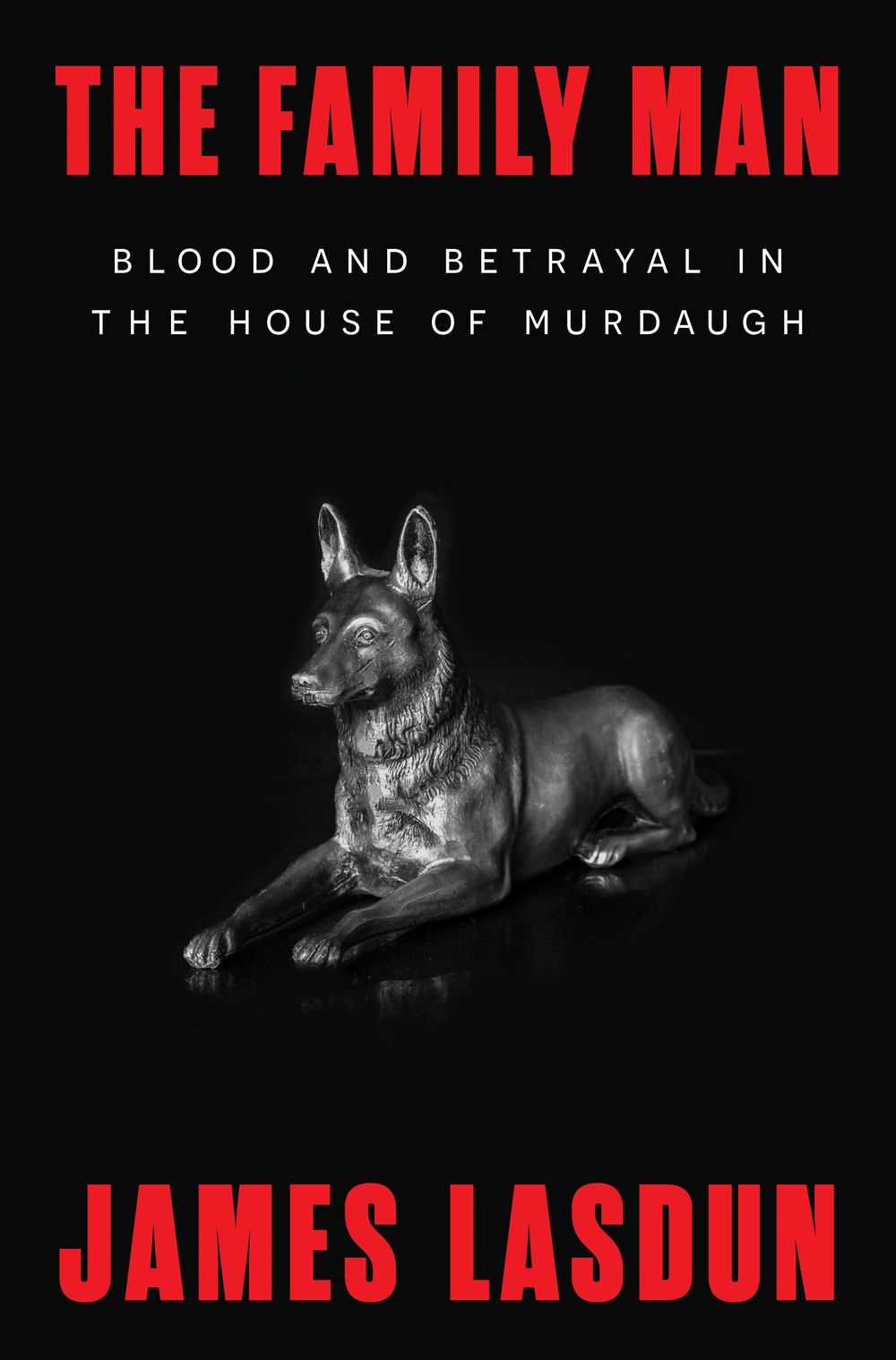
The Family Man
by James Lasdun (Norton)Nonfiction“The Family Man” is an absorbing and vertiginous chronicle of the trial of Alex Murdaugh, a wealthy South Carolina man who was accused of murdering his wife and his son as part of a frantic attempt to cover up a financial scandal. The book, which emerged from a dispatch that Lasdun published in this magazine in 2023, expands on his merciless sociological exploration of the corrupt milieu in which the killings took place. Beneath its gentlemanly façade, the Murdaughs’ home town is a place of bribes, grift, money laundering, drunken mishaps, and sexual secrets—along with jury tampering so brazen that Alex’s conviction was recently overturned.
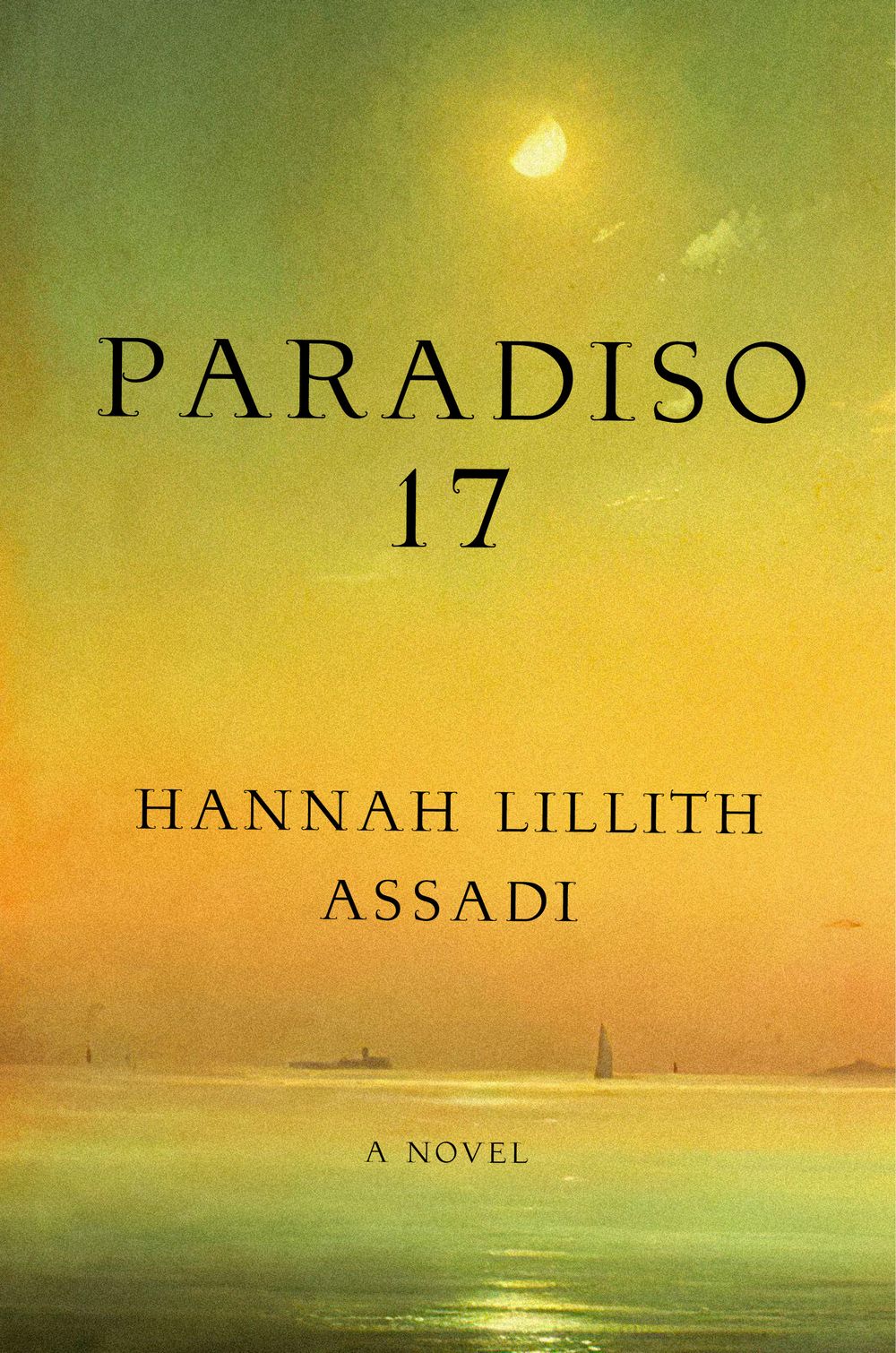
Paradiso 17
by Hannah Lillith Assadi (Knopf)FictionThis novel of exile and memory chronicles the life of Sufien, a Palestinian man displaced as a child by the Nakba, whose story unfolds across continents and encompasses entanglements with a broad range of characters. Assadi traces the full arc of Sufien’s life as he moves from Palestine to a refugee camp in Syria, then to Italy and the U.S. He deepens and matures, reflecting often on his course, but this is not a fawning portrait of a hero’s journey so much as a study of a flawed individual. Though Assadi’s prose is occasionally heavy-handed, she summons a wonderfully sprawling, almost picaresque story, which gains power from her resistance to passing simple judgment on her protagonist.
 From Our Pages
Dangerous, Dirty, Violent, and Young
by Zayd Ayers Dohrn (Norton)NonfictionZayd Ayers Dohrn was born in hiding. Years before his birth, his parents, Bernardine Dohrn and Bill Ayers, founded the Weather Underground, a radical resistance group that aimed to resist the war in Vietnam and what they saw as a racist police state back home. They orchestrated a bombing campaign—ultimately setting off explosives at the State Department headquarters and at the Pentagon—and then went into hiding. Assuming fake names, they travelled the country, taking jobs that paid cash and staying at flop houses and on sympathetic communes. Ayers Dohrn spent his early years on the run, knowing that the F.B.I. was hunting him. As a child, he learned to recognize plainclothes cops and to walk a “trajectory,” the complicated mix of turns and switchbacks the group used to lose a tail. In this memoir, Ayers Dohrn reckons with the history of his famous—and infamous—family, and their complicated legacy.
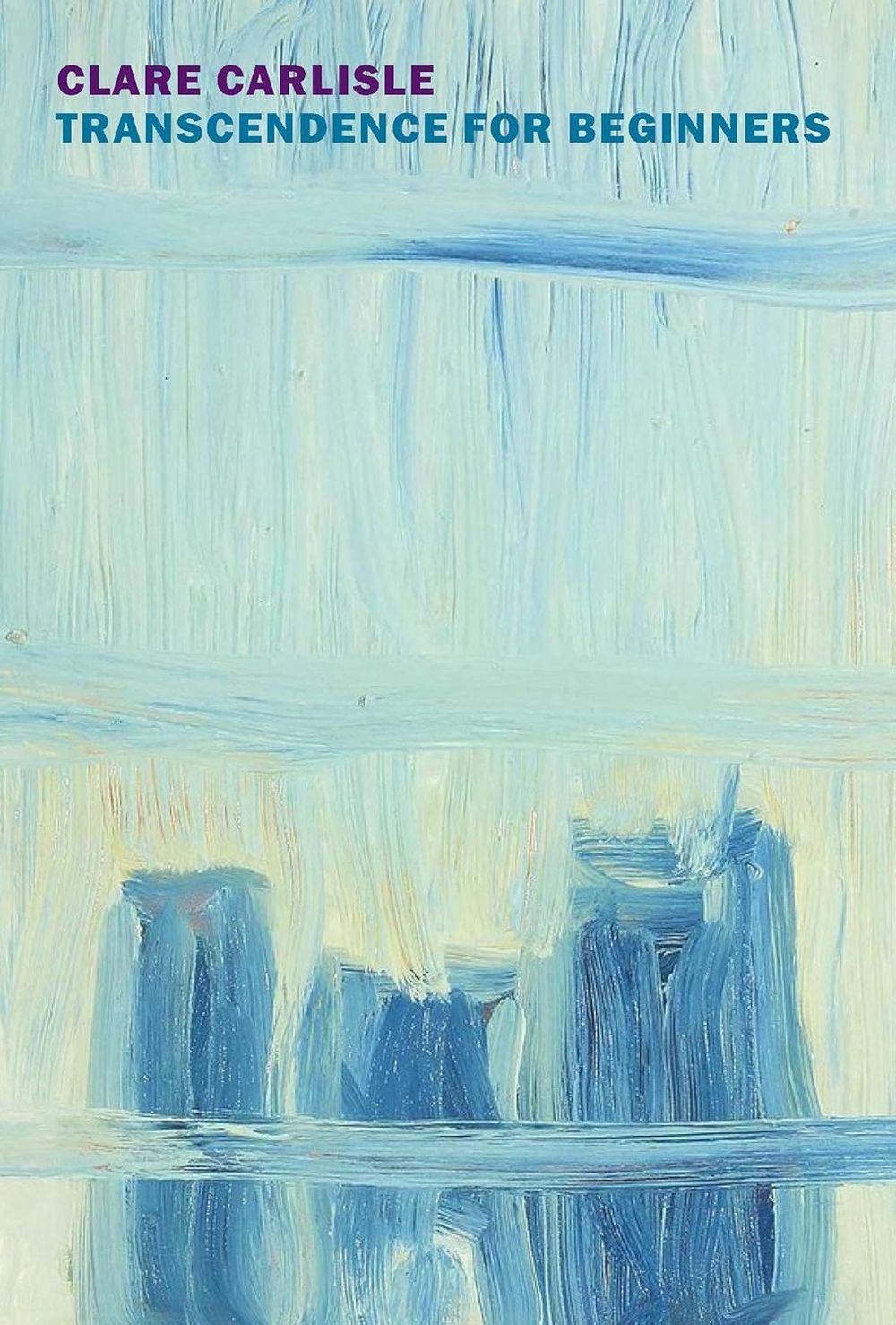
Transcendence for Beginners
by Clare Carlisle (New York Review Books)NonfictionIn this gem of a book, Carlisle asks a question that may especially preoccupy professors of philosophy (which she is) and biographers (which she is also, of Søren Kierkegaard and George Eliot), but that equally concerns the rest of us: How to make sense of a human life? Lightly touching on her own path—we find her up a mountain in India, at a yoga class in Manchester, “converted” to philosophy at a lecture on Plato’s cave given by Jonathan Lear—Carlisle considers what she describes as “life’s relentlessly relational texture” and shows how thinkers and artists from Spinoza and Proust to Celia Paul led her to the conclusion that, in defiance of life’s losses, “love flows through us because it is an element of reality itself: like water, like air, like fire.”
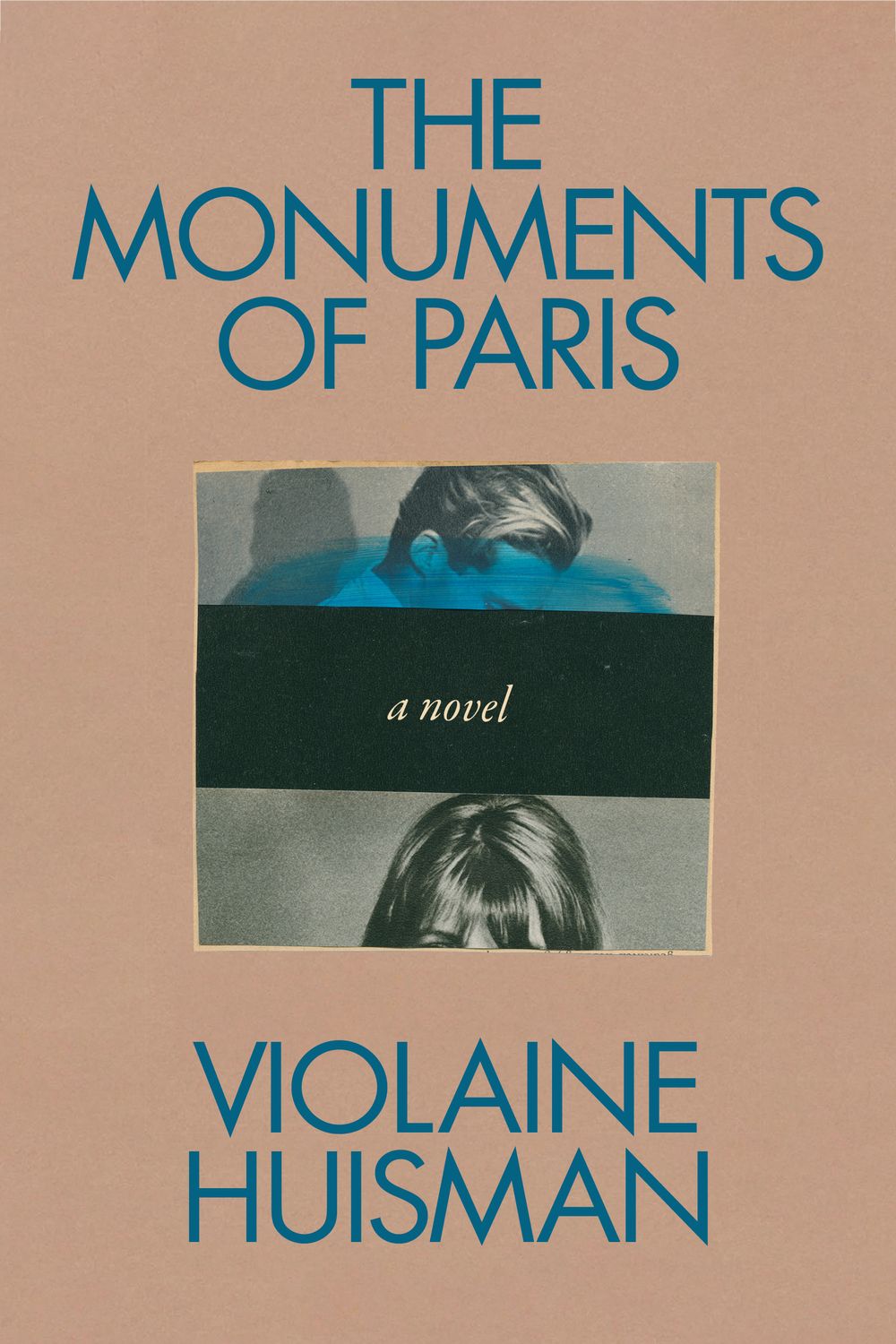
The Monuments of Paris
by Violaine Huisman (Penguin Press)FictionTwo men loom over this hybrid novel: the author’s father, Denis, a self-fashioned “academic-businessman,” and her grandfather, Georges, an influential cultural official who, being Jewish, lost his position and his influence during the Nazi occupation of France. A composite of memoir and fictionalized family history, Huisman’s book reckons with the influence of her male forebears—both possessed of grand self-conceptions, both flagrantly unfaithful to their wives—continuing a project that she began with an earlier book of a similar kind about her mother. As she sifts through the traces of the men’s lives, she reflects on her emotional inheritance. Of her mother and father, she writes, “Her story, your story—neither story was mine, and yet I couldn’t escape them.”


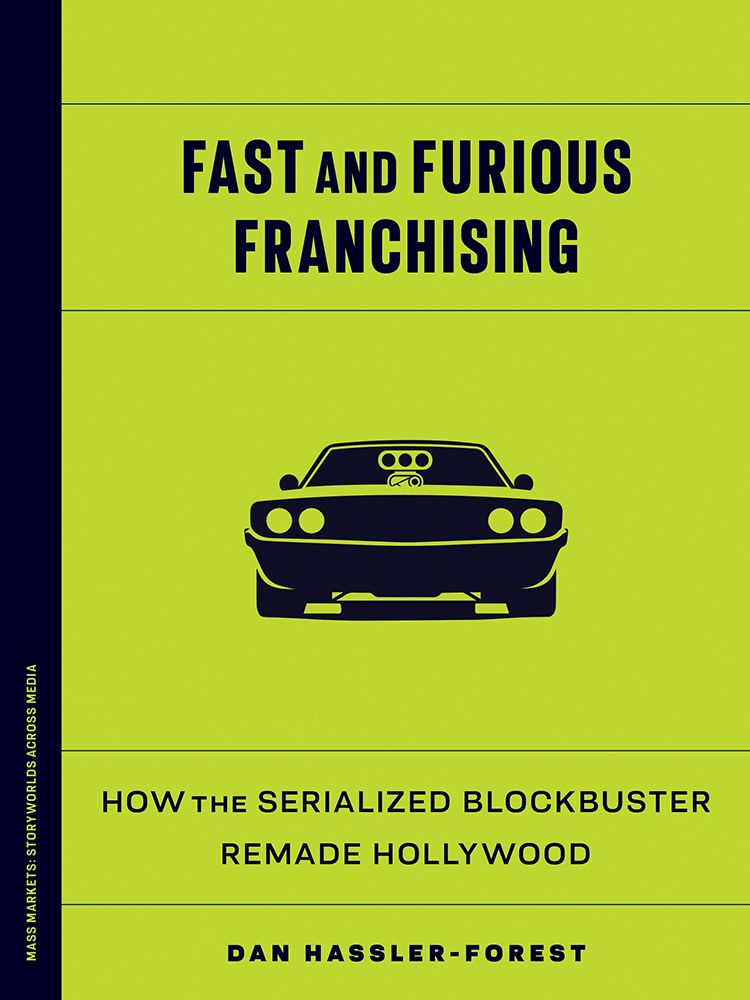
Fast and Furious Franchising
by Dan Hassler-Forest (Minnesota)NonfictionWhile the Marvel Cinematic Universe is often held up as the exemplar of the I.P.-driven Hollywood mega-franchise, Hassler-Forest, a media scholar, argues that the “Fast” movies, which started seven years before the M.C.U., have been just as influential to the history of Hollywood. They emerged at a time when the “ideal form” of a franchise was still the trilogy—think about the original “Star Wars” or “Indiana Jones”—when even the most ambitious stories often felt exhausted by the third installment, with diminishing creative and financial returns. The almost accidental success of “The Fast and the Furious,” and its lack of preëxisting lore, Hassler-Forest argues, suggested an alternative model for franchising: a cinematic universe that could be mined for as long as was profitable.
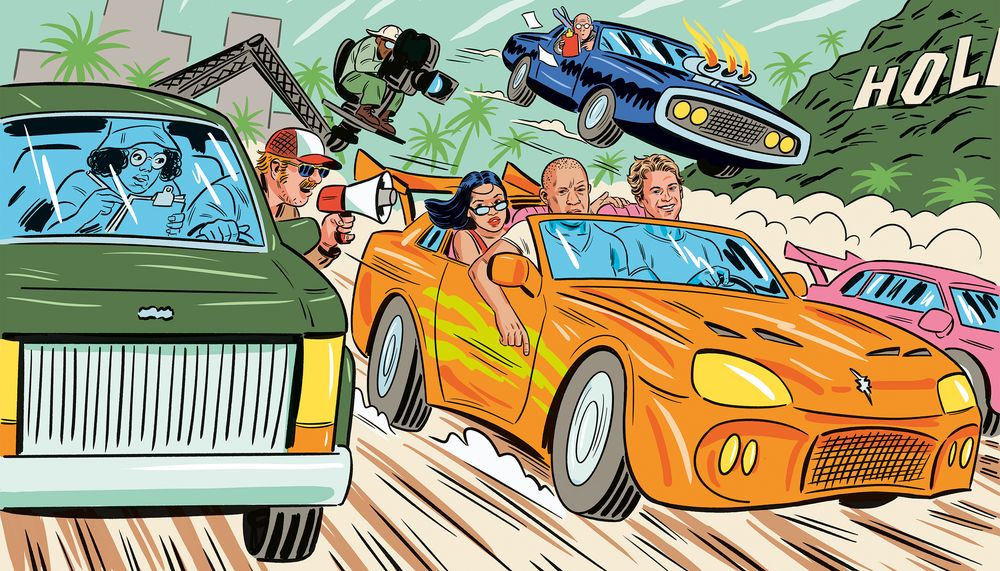 Read more: “How “The Fast and the Furious” Tells the Story of Hollywood,” by Hua Hsu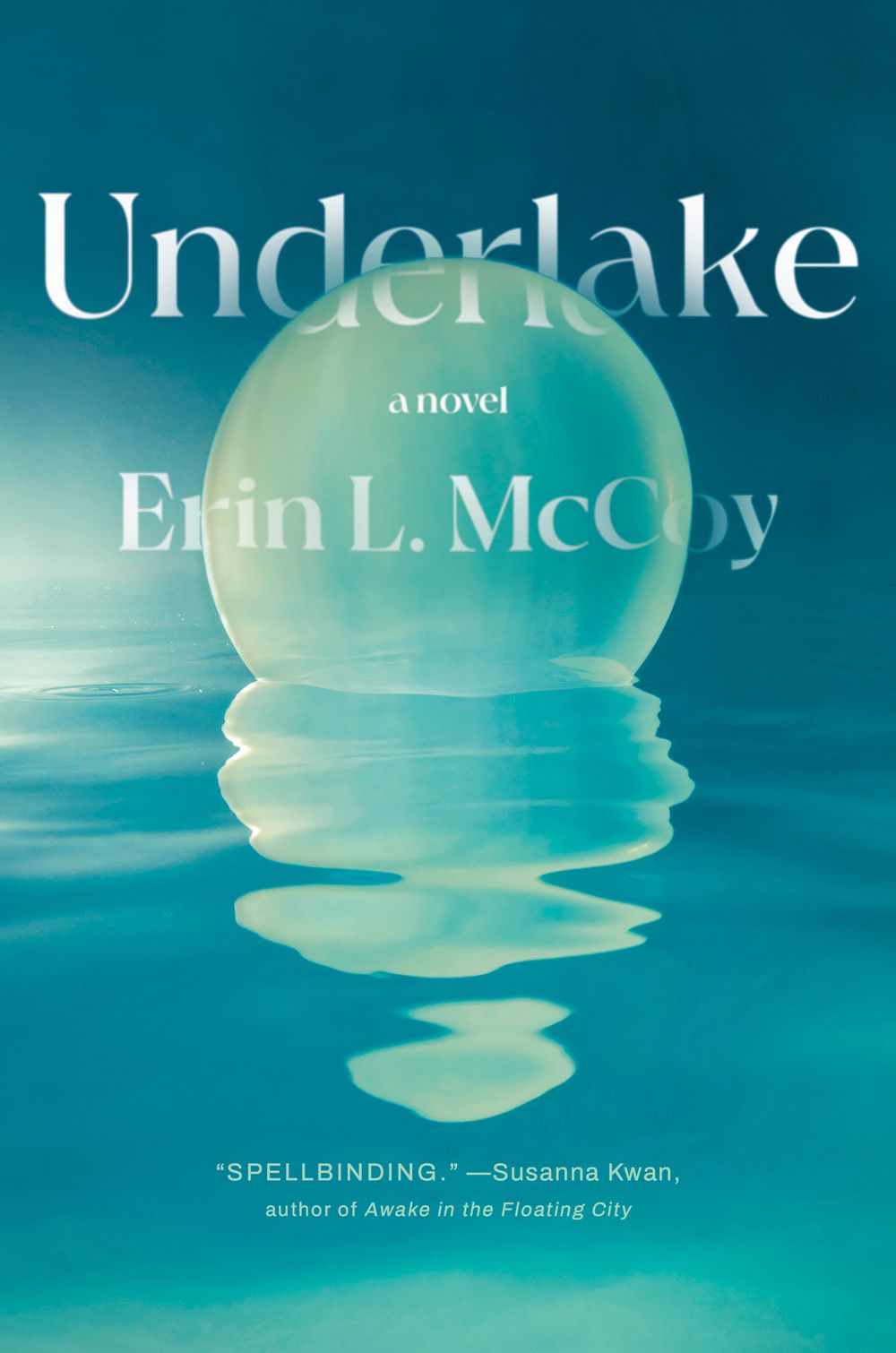
Underlake
by Erin L. McCoy (Doubleday)FictionThis surreal début novel riffs on the idea of drowned cities: towns seized by the government and submerged, via dam construction, in order to create reservoirs. The narrative centers on two fictional towns: Paintsville, which was flooded in such a manner in 1979, and the nearby Steels, which is still above water. The protagonist, Otta, is a diver and an aspiring marine biologist. She is enlisted to search for a strange woman’s missing daughter, who the woman believes is living in Paintsville. Though McCoy’s plot is often murkier than the polluted lake around which its events unfold, her voice, highly attuned to sensory experience, shines through.
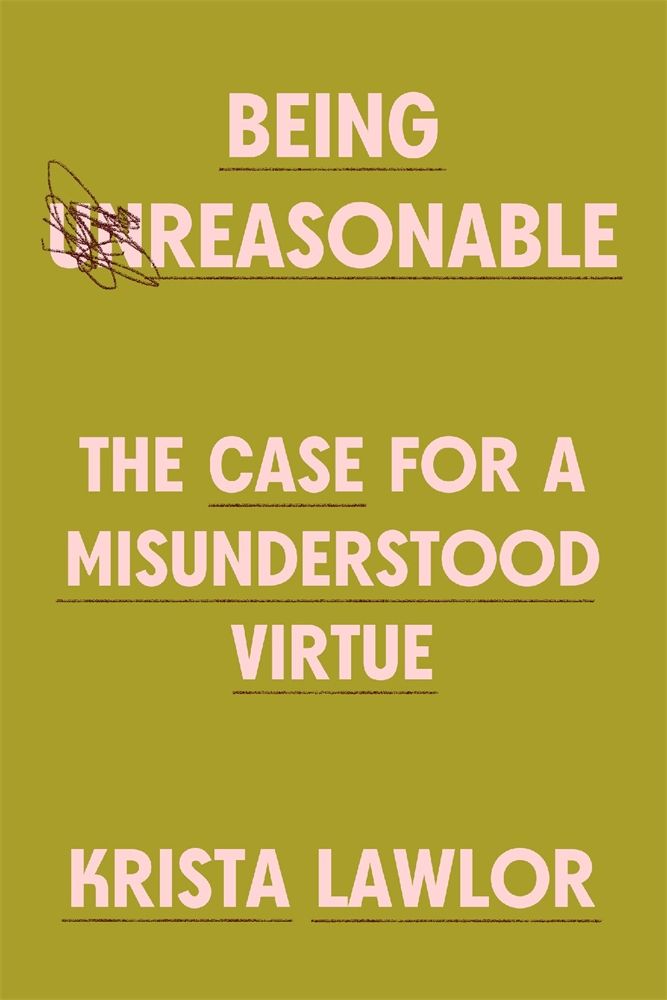
Being Reasonable
by Krista Lawlor (Harvard)NonfictionLawlor, a philosopher at Stanford, makes a case for a quality too often mistaken for timidity. Reasonableness, she maintains, is a distinctly social virtue: the willingness to treat others as fellow-evaluators whose claims have genuine weight, even as we exercise our own critical judgment. Drawing on examples from law, philosophy, and everyday life, she distinguishes reasonableness from mere rationality—and from the prejudices of the average person—and shows how it underwrites the coöperative mapping of value that makes common life possible. Her argument can be usefully read alongside arguments from David Lewis, and Thomas Nagel, who remind us that toleration amounts to a hard-won peace treaty. At a moment when compromise is dismissed as cowardice on both the left and the right, Lawlor’s compact, elegant book shows that reasonableness is not the absence of convictions but the condition of living with others who don’t share ours.
 Read more: “In Defense of the Moderate,” by Nikhil Krishnan


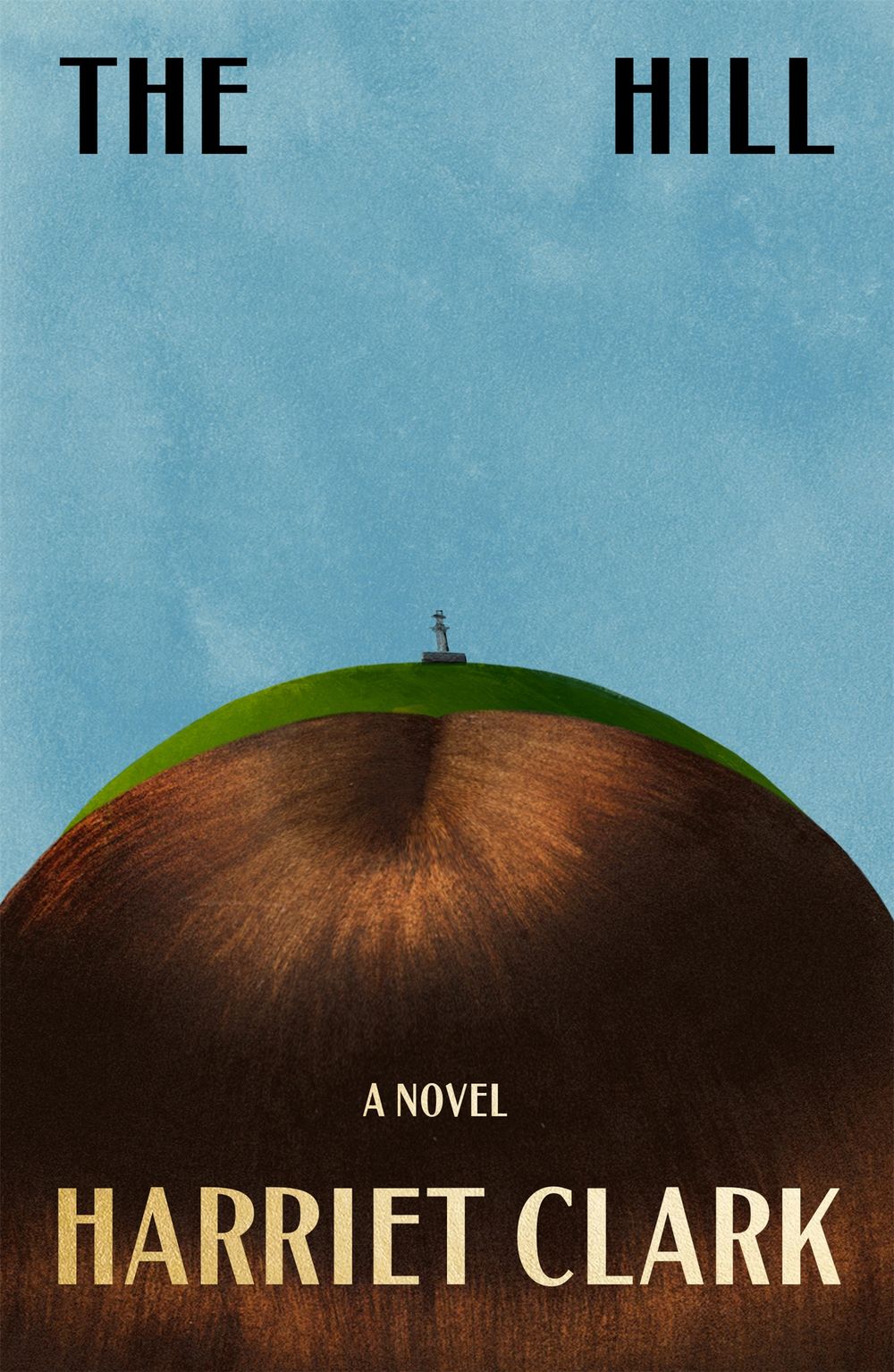
The Hill
by Harriet Clark (Farrar, Straus & Giroux)FictionAlmost every Saturday, Suzanna, the girl who narrates this novel, makes a pilgrimage to visit her mother in a hilltop prison. Once a radical implicated in a deadly bank robbery, her mother is serving a life sentence, and these weekly visits are the fragile thread holding them together. Even as she urges Suzanna to break free and live her own life, and Suzanna’s eccentric, unforgiving grandmother won’t go near the prison, the girl keeps returning, bound by something deeper than duty. This spare, lyrical début novel transcends its autobiographical origins (Clark’s own mother was a Weather Underground activist imprisoned for nearly four decades), stripping away particulars to reveal a resonant allegory about coming of age in the shadow of an institution that drains human development of meaning.
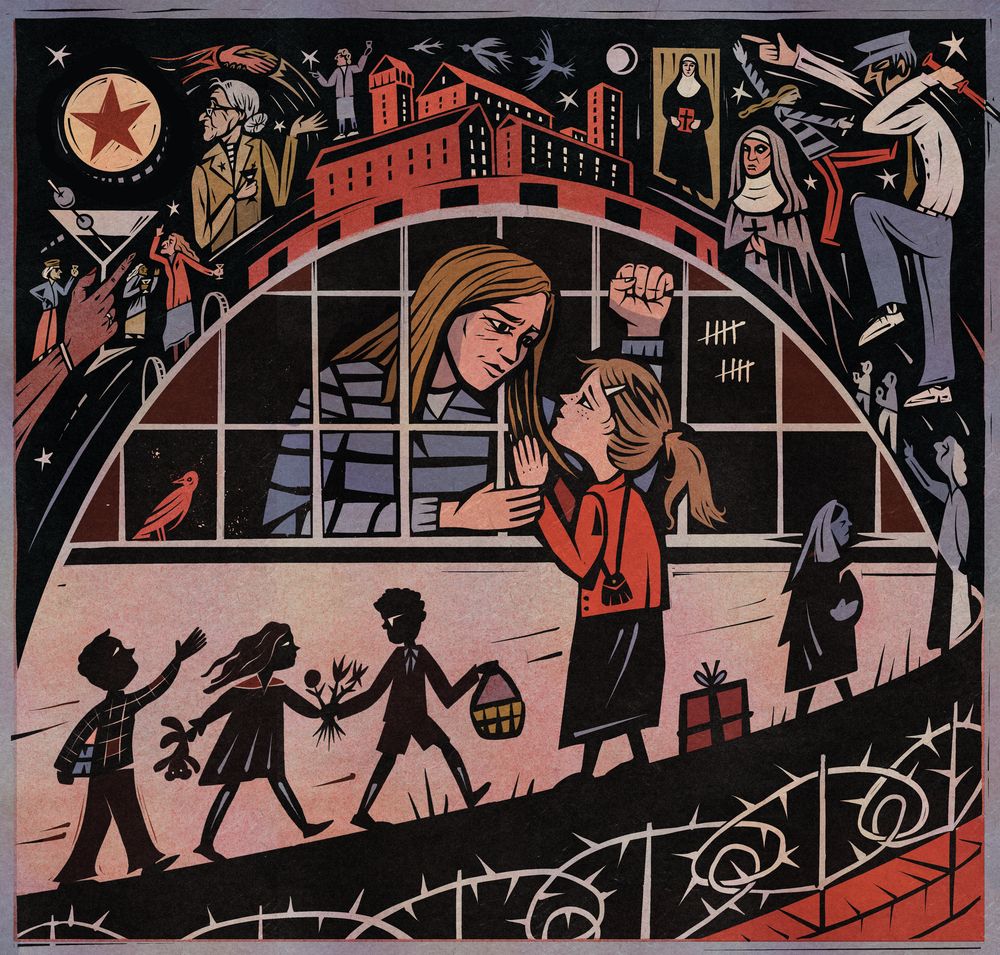 Read more: “Harriet Clark’s Début Is a New Kind of Coming-of-Age Novel,” by James Wood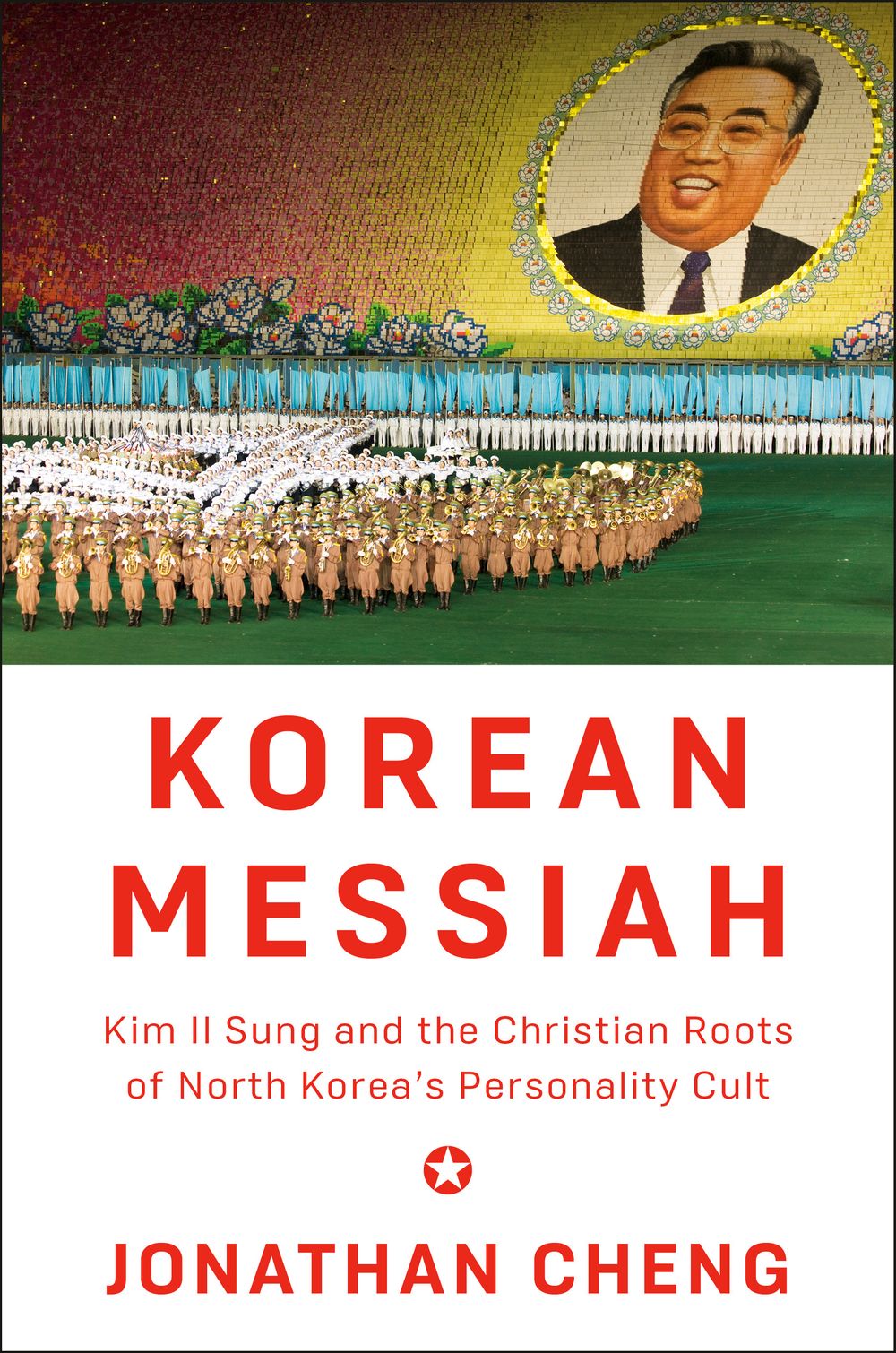
Korean Messiah
by Jonathan Cheng (Knopf)NonfictionThis ambitious history, by the Wall Street Journal’s former Korea bureau chief, traces how Kim Il Sung’s cult of personality is indebted to the Presbyterian faith in which he was raised. In the late eighteen-hundreds, American missionaries in Korea converted thousands of people. Kim, who took power in 1946, reframed Christianity as a symptom of American imperialism and repurposed its rituals with himself at the center, instituting requirements for ideological activities and imposing harsh punishments on those who failed to show sufficient devotion. Cheng traces how, with the help of Kim’s son Jong Il and a distant uncle who was once a pastor, Kim borrowed the tactics of religion to solidify extraordinary psychological control over an entire population.
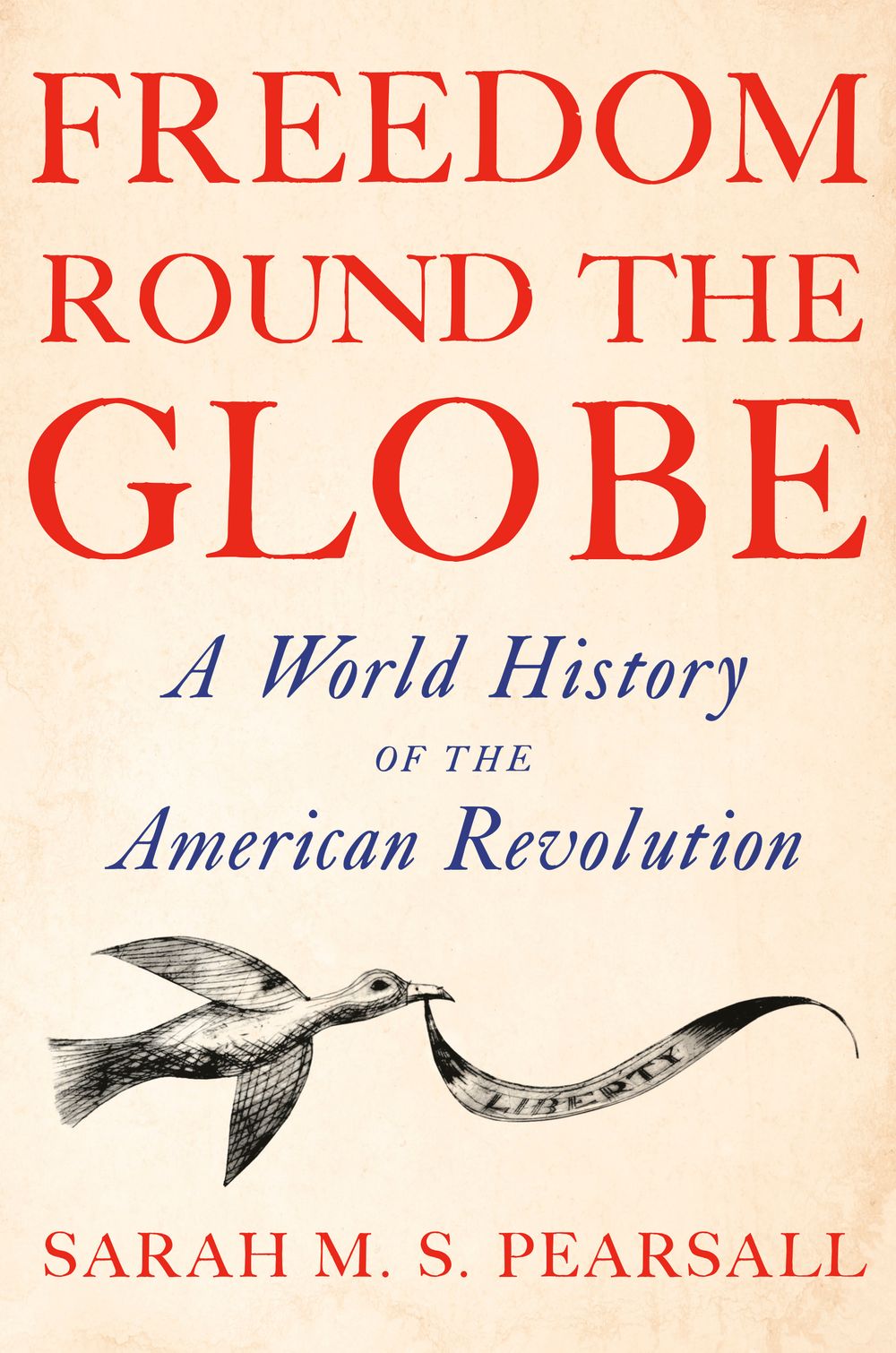
Freedom Round the Globe
by Sarah M. S. Pearsall (Doubleday)NonfictionAmericans tend to tout the story that they catalyzed worldwide revolutions for freedom: that their pursuit of happiness served as a blueprint for fellow-underdogs who dreamed of finding sovereignty. Pearsall argues that the Founding Fathers were not, in fact, the main characters of global history. Insurgencies were alive in nations across North America, Europe, West Africa, and Asia in the eighteenth century before, during, and after the thirteen colonies began their severance from Britain—which, Pearsall points out, was made possible largely by non-Americans who fought beside the patriots. “Freedom Round the Globe” spotlights those revolutionary wars and their protagonists, painting a clearer, more colorful picture of the world’s age of revolt than the one typically displayed.
 Read more: “The American Revolution Wasn’t the Main Event,” by Daniel Immerwahr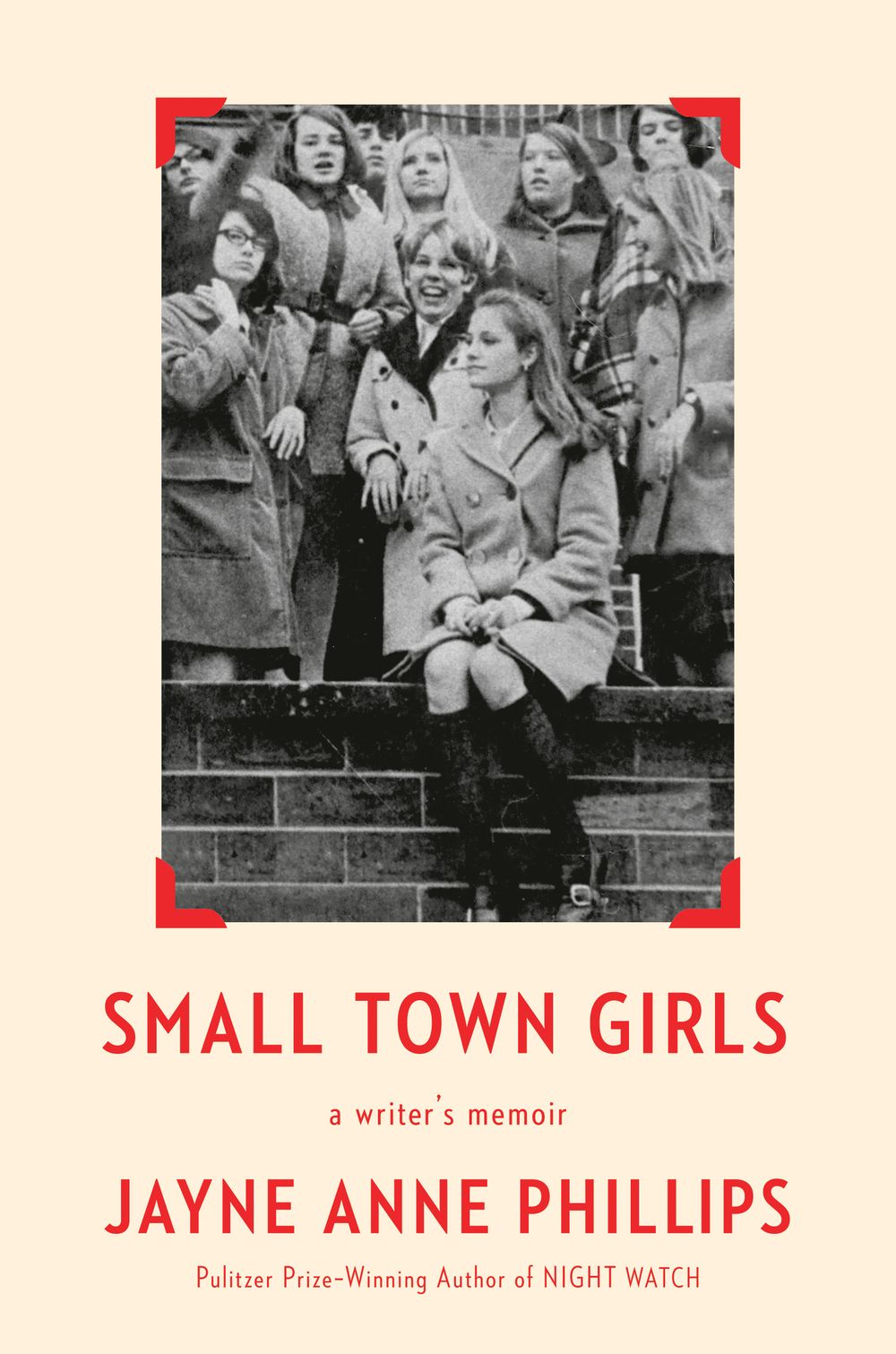
Small Town Girls
by Jayne Anne Phillips (Knopf)NonfictionIn these quietly stunning essays, a Pulitzer Prize-winning novelist, the daughter of an Army veteran and a schoolteacher, looks back on her upbringing in Buckhannon, West Virginia. Born in 1952, Phillips would come to intuit that, in the beauty shops of her youth, women were “initiated into womankind as it existed in our town”; she wanted a bigger life, with options that weren’t available to her restless mother. Many of these pieces find Phillips decades removed from her Appalachian childhood, living elsewhere and writing on other subjects but mindful that she’s not finished reflecting on her origins. For writers, she says, “our hope in holding a world still between the covers of a book is to make that world known, to save it from vanishing.”
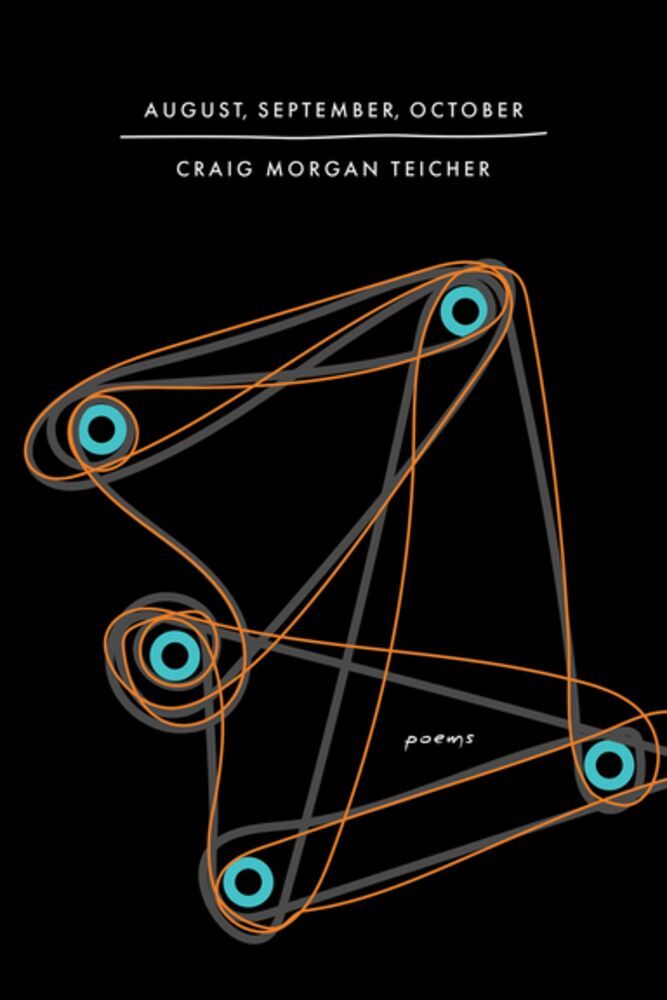
August, September, October
by Craig Morgan Teicher (BOA Editions)PoetryLife may seem to proceed in only one direction, but this moving poetry collection posits that it is more like a poem: characterized by rhyme and repetition, sometimes looping back on itself, each new line reframing those that precede it. As Teicher considers aging, parenthood, marriage, and memory, he meditates on the relationship between time and the forms that capture it: the sonnet seeking to memorialize a moment, or the diary that is a record of its own incompleteness. These poems’ immediacy is heightened by their self-awareness as crafted objects; Teicher insists that a life is not a fixed thing but an ongoing act, a process of making and remaking.
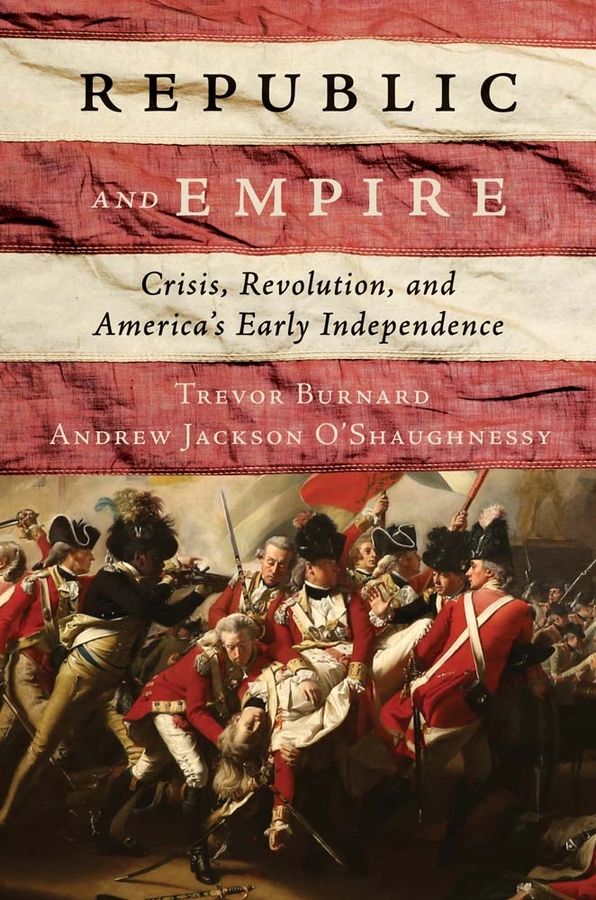
Republic and Empire
by Trevor BurnardAndrew Jackson O'Shaughnessy (Yale)NonfictionDisgruntled and hungry for autonomy, settlers in the thirteen American colonies spent nearly a decade breaking their ties with Britain. The kingdom’s thirteen other colonies, however, stayed loyal. Scattered throughout Canada, Ireland, Africa, India, Gibraltar, the Caribbean, and the Pacific, the other half of Britain’s eighteenth-century provinces bowed out of the American rebellion. Burnard and O’Shaughnessy don’t claim to have a neat explanation for their abstention, but diligently examine the complicated circumstances and liabilities that likely guided it. The Brits ultimately lost their war with the Americans, but with other nations still on their hands, the outcome may have actually been in their favor. “Republic and Empire” raises the evocative question: What did Britain really lose?
Read more: “The American Revolution Wasn’t the Main Event,” by Daniel Immerwahr


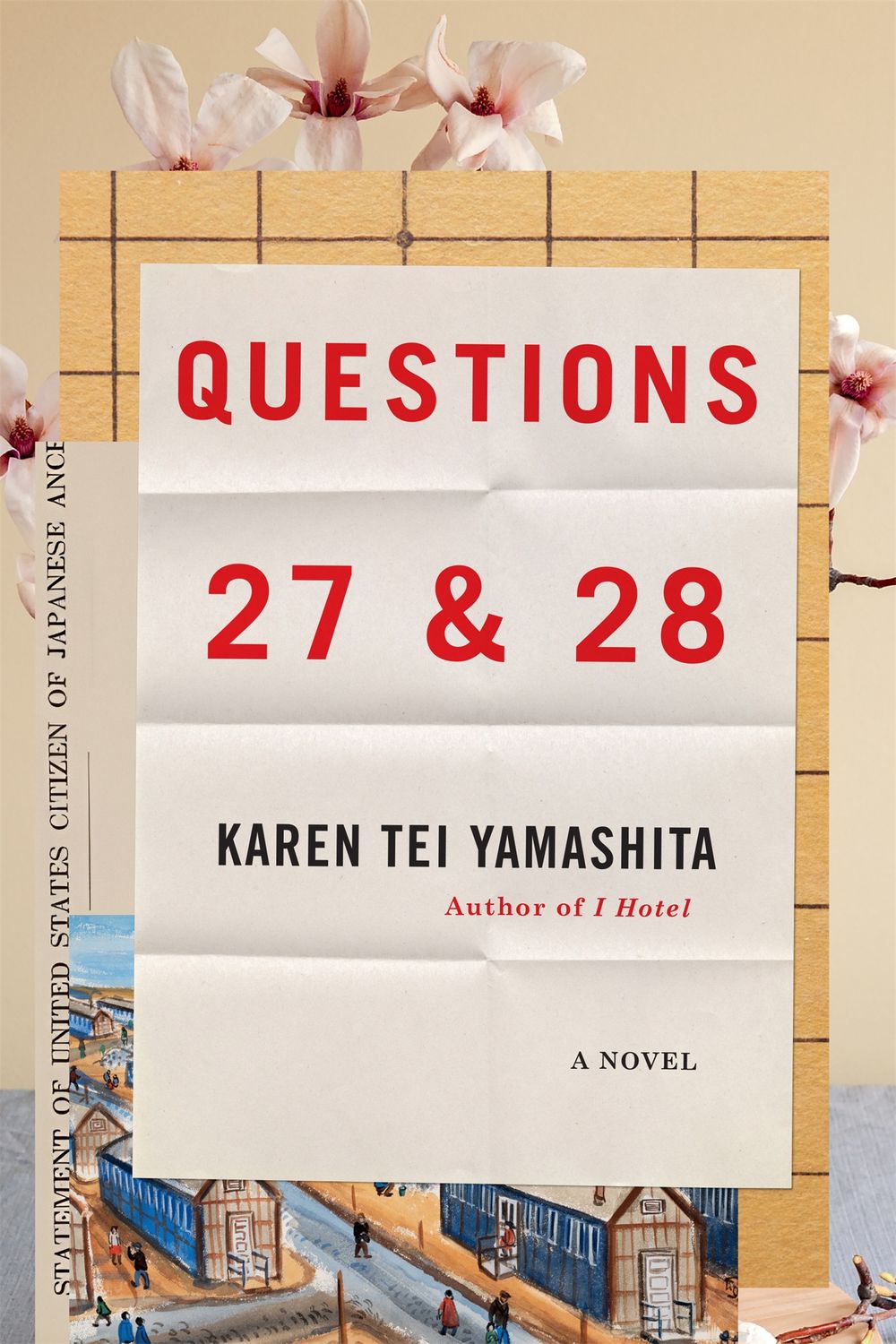
Questions 27 & 28
by Karen Tei Yamashita (Graywolf)FictionCould you swear loyalty to a country that has imprisoned you, fearful of the threat you supposedly pose to its safety? In 1943, tens of thousands of Japanese Americans who had been confined to internment camps after the bombing of Pearl Harbor were asked to do so in the final questions of a paper survey. Answering “Yes” teased a promise of freedom, but you also had to affirm your willingness to serve in the U.S. military. Yamashita’s novel threads together the stories of the prisoners and their families—many of them real—and blends genres to create a compelling picture of Japanese American experiences before, during, and after the Second World War.
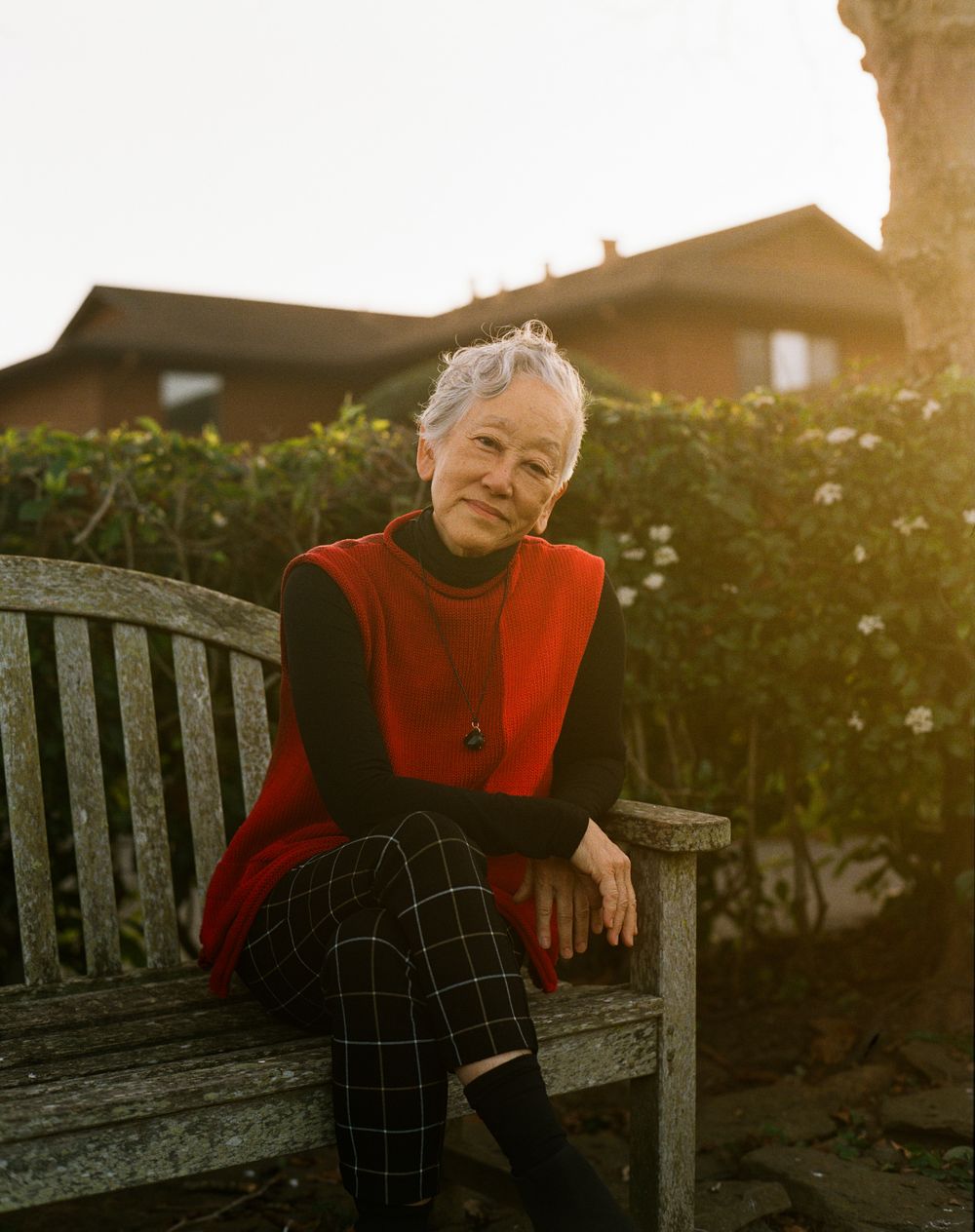 Read more: “The Novelist Reimagining the Japanese American Internment,” by Hua Hsu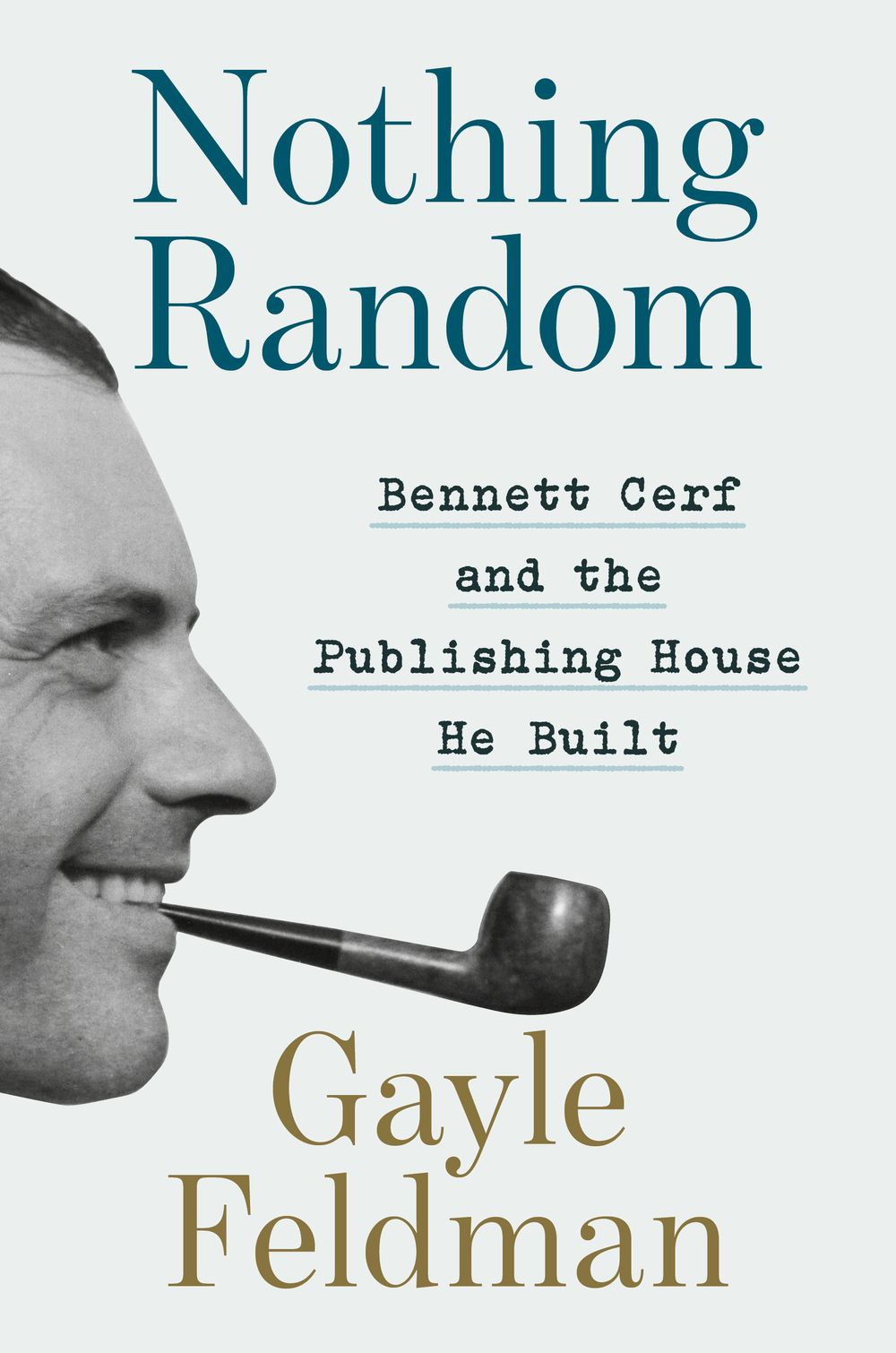
Nothing Random
by Gayle Feldman (Random House)NonfictionBennett Cerf, the co-founder of the publishing giant Random House, may now be virtually unknown, but he was a major celebrity in postwar America. In this sweeping biography, Feldman reveals Cerf to be a paradoxical man: often described as superficial and unserious, renowned for writing joke books and for his tenure on the popular game show “What’s My Line?,” Cerf also published profound literary works by talents such as James Joyce, William Faulkner, and Eugene O’Neill—and, in doing so, transformed Random House into both a profitable business and a cultural force. Although Cerf chased fame and avoided plumbing “the depths” of his life, as Feldman writes, he could “appreciate, at times to the point of awe, depth in others.”

The Palm House
by Gwendoline Riley (New York Review Books)FictionThis spiky, funny novel is narrated by a woman named Laura, a writer who’s left the town where she was raised and made a life for herself in London. Her friend Putnam has just quit his job at a magazine called Sequence. The two have been close for years, and are now allied less by shared hopes than by disappointments and frustrations. Their complicated friendship is at the center of the book, which asks what we owe to those who are close to us.
 Read more: “Gwendoline Riley’s New Novel Surveys the Wreckage of Middle Age,” by Lynn Steger Strong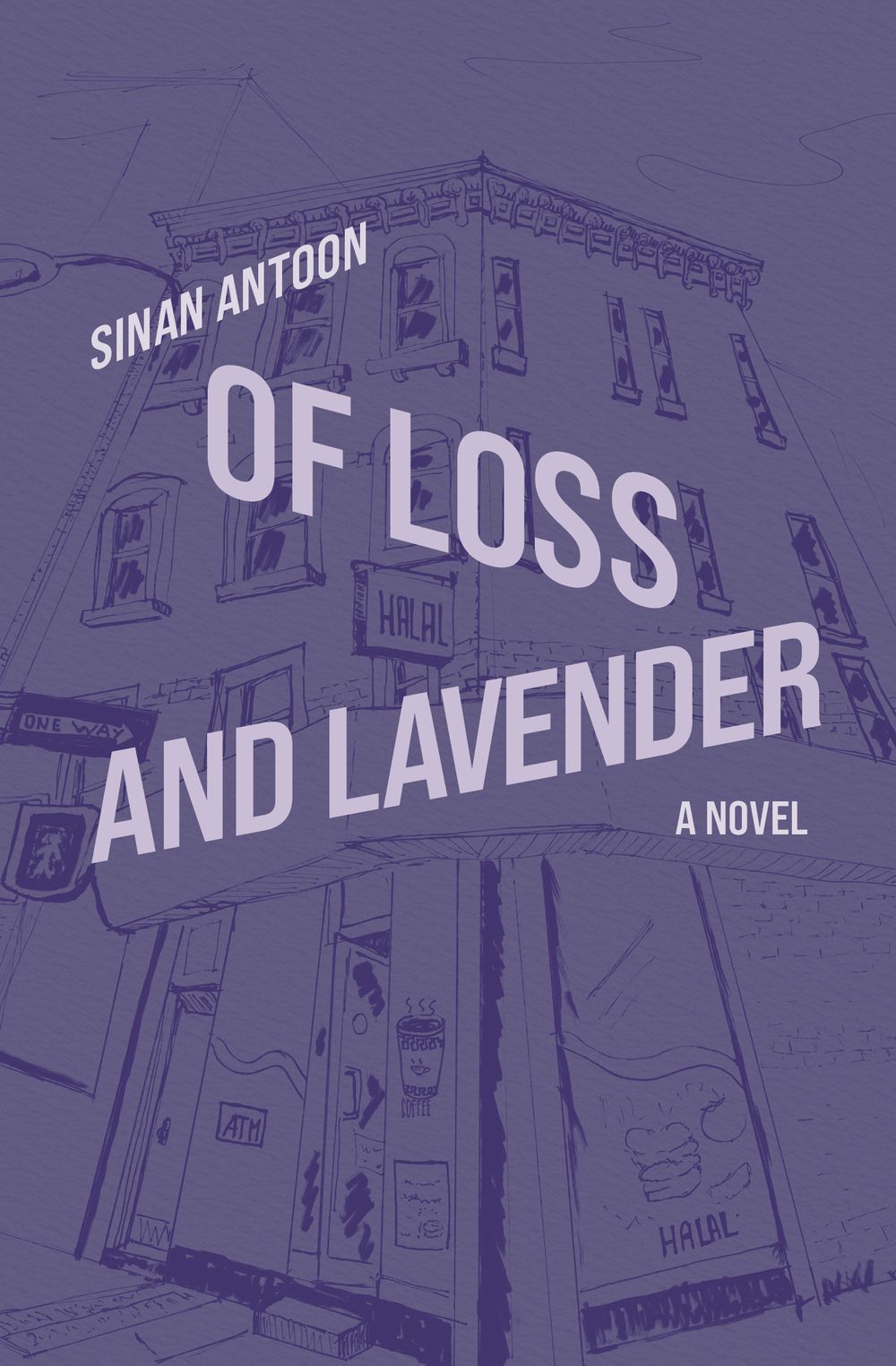
Of Loss and Lavender
by Sinan Antoon, translated from the Arabic by the author (Other Press)FictionThe central characters of this contemplative novel are two Iraqi men—unknown to each other—who both immigrate to the U.S. in the wake of the Gulf War, and proceed down different paths. Sami, a retired doctor, moves to Brooklyn to live with his son’s family. After arriving, he’s diagnosed with dementia, and clings to memories of the home that he was reluctant to leave behind. Omar, an Army deserter, is eager to “amputate” Iraq “entirely from his memory”; as he settles into life on a farm in New Jersey, he tells people that he’s from Puerto Rico. The narrative, which roams freely among its characters’ perspectives, is a work of translation in every sense, as it seeks to convey, often through metaphor, the incomparable experience of exile.


 From Our Pages
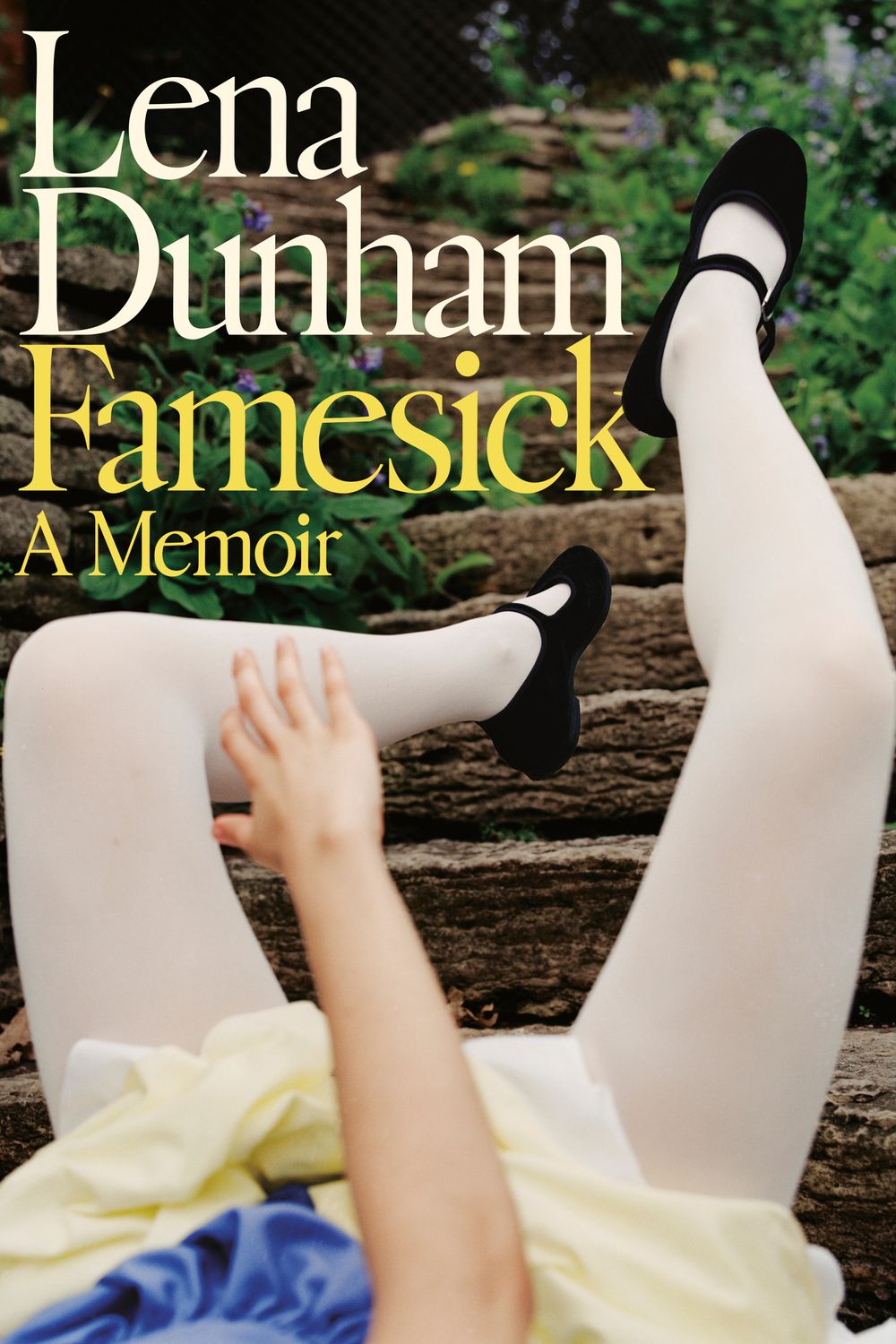
Famesick
by Lena Dunham (Random House)NonfictionThe writer, actor, and director returns with a new memoir detailing her rise to fame (with the HBO series “Girls”) and the tolls of public life. In an excerpt that appeared in the magazine, Dunham described her post-college years as a fledgling filmmaker in New York, working alongside peers such as the Safdie brothers and making her feature film “Tiny Furniture” out of her parents’ loft. That was a “very innocent time,” she writes, before she experienced runaway fame and online backlash, addiction and chronic illness: “Your first experiences of creative acceptance are unparalleled, because you don’t know enough to worry about what might actually happen if you succeed.”
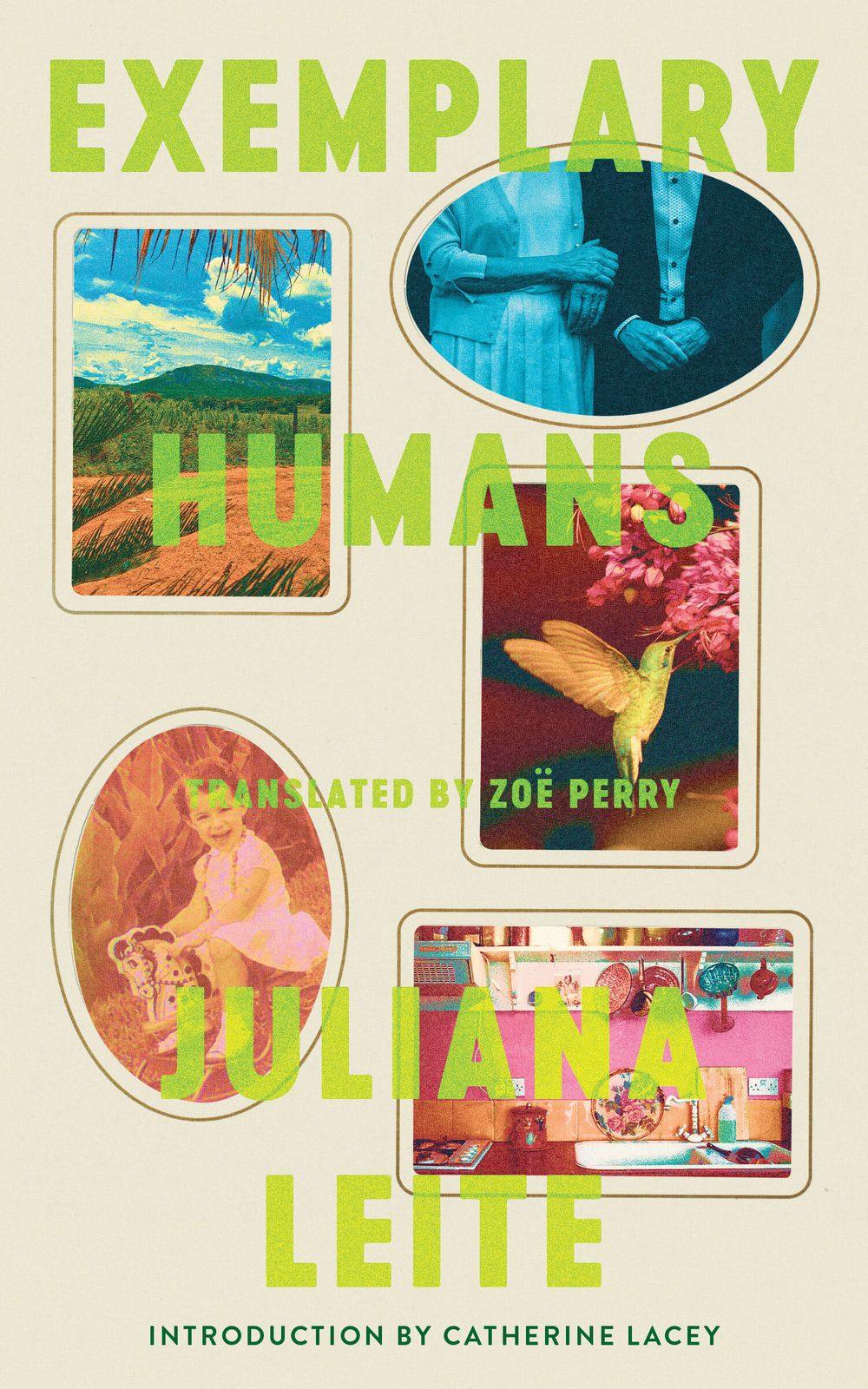
Exemplary Humans
by Juliana Leite, translated by Zoë Perry (Two Lines)FictionNatalia, a lonely Brazilian centenarian, anchors this searching novel. “The problem with living too much,” she reflects, “is that you witness a world that is being erased right in front of you, person by person.” Natalia, with nowhere to be and no one to see, recognizes that “the past is the only future,” and so she dwells on her life—on her roles as a daughter and a schoolteacher, as a wife and a mother, and, most important, as a political dissident who resisted Brazil’s military dictatorship. At the heart of Natalia’s account is the question of how one continues to exist. The book ventures an answer, one found in its very form: by transmitting memories, both our own and others’.
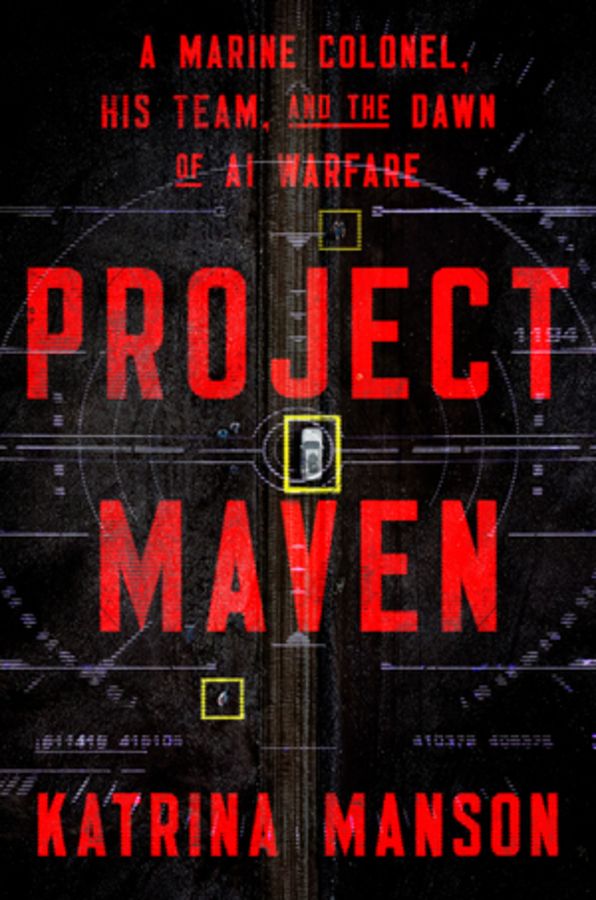
Project Maven
by Katrina Manson (Norton)NonfictionA veteran journalist who writes for Bloomberg, Manson has spent much of the past few years investigating how technology has transformed the operations of the U.S. military. “Project Maven,” the result of that effort, is an unflaggingly well-reported and well-sourced account. The book is structured as a biography of Drew Cukor, a Marine Corps intelligence officer who, having watched soldiers and civilians die because of a lack of organized, integrated information, dreamed of a “single digital grid” that gave a “highly accurate battlespace picture.” Eventually, this dream was realized in the form of a digital platform provided by Palantir known as the Maven Smart System. Manson’s story culminates with the war in Ukraine, in which Maven helped mitigate Russia’s advantages—and which became an inflection point for comprehensive national adoption.
 Read more: “How Project Maven Put A.I. Into the Kill Chain,” by Gideon Lewis-Kraus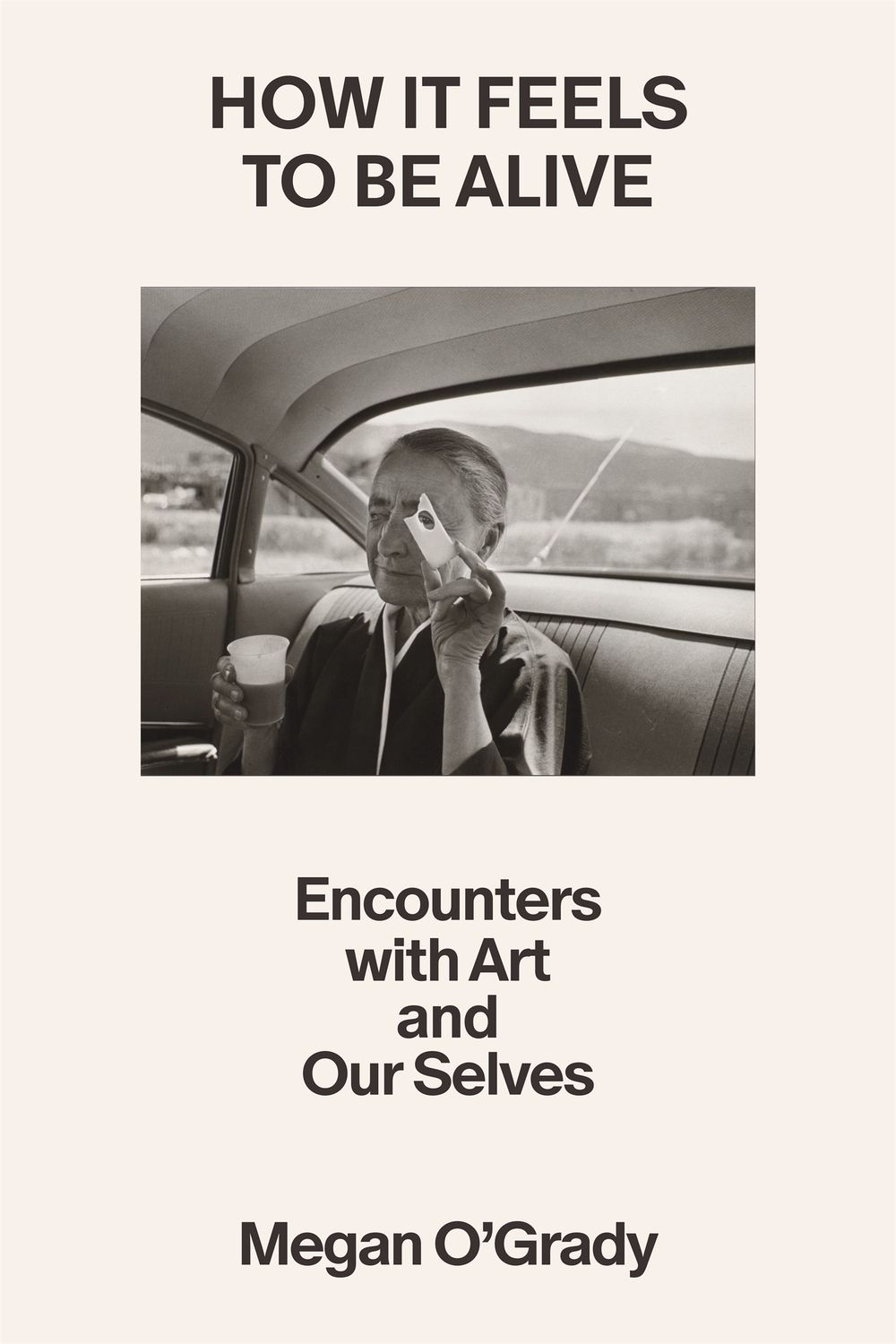
How It Feels to Be Alive
by Megan O’Grady (Farrar, Straus & Giroux)NonfictionMoving between memoir and criticism, this essay collection documents O’Grady’s lifelong fascination with works of art that refuse easy interpretation, beginning with the painter Agnes Martin’s “Friendship.” O’Grady goes on to examine pieces by artists including Carrie Mae Weems, Barbara Kruger, and Pope.L, whose performances, O’Grady writes, obliterated “the distance between the spectacles we’re supposed to look at and those we’re supposed to look away from.” Threaded throughout are recollections of O’Grady’s youth in Kansas, where museum exhibitions that she encountered disrupted the visual monotony around which she grew up.
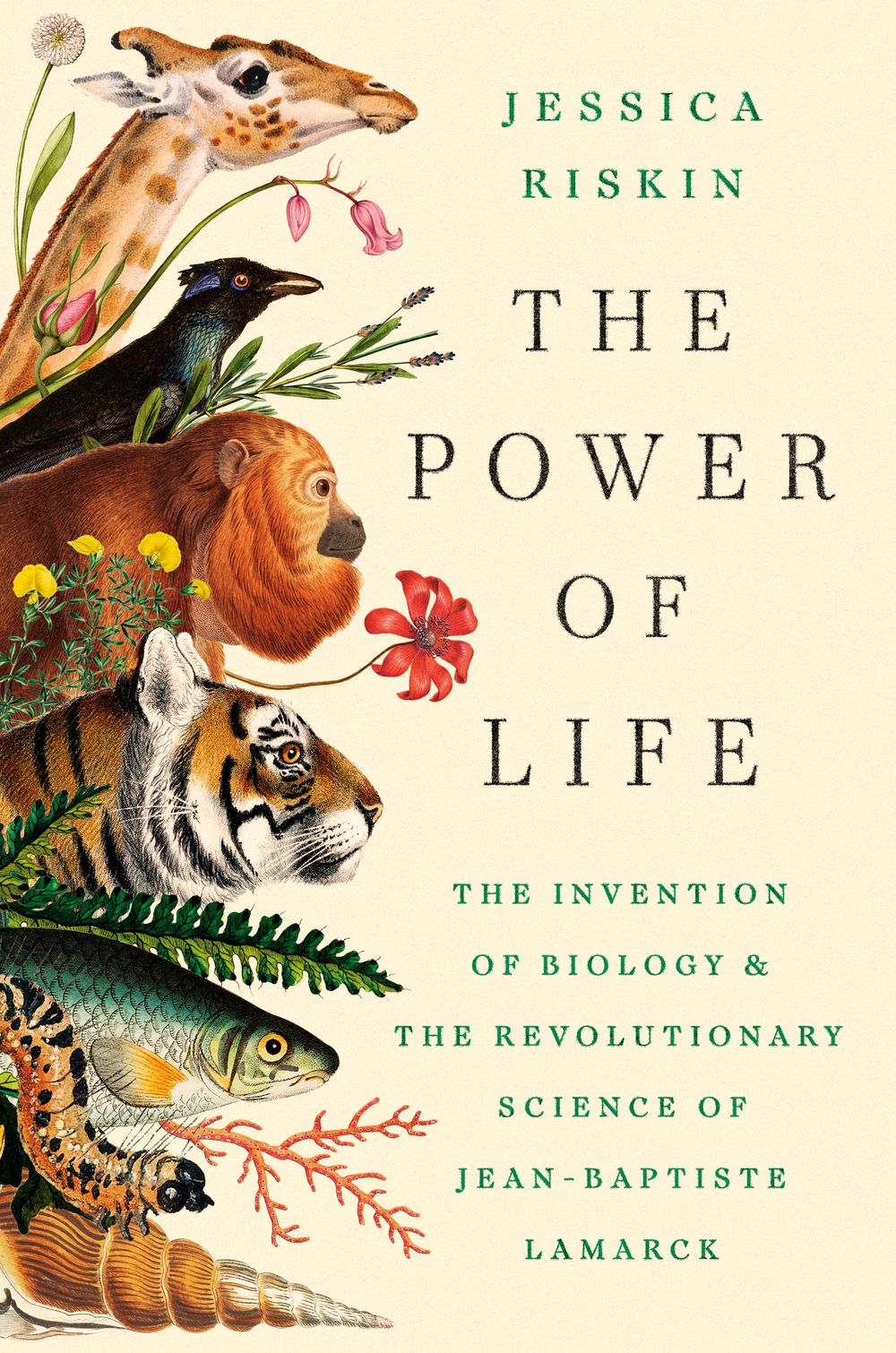
The Power of Life
by Jessica Riskin (Riverhead)NonfictionThe subject of this engaging biography is the eighteenth-and-nineteenth-century naturalist Jean-Baptiste Lamarck, who is often ridiculed as a faulty precursor to Darwin. Long associated with the idea that giraffes developed long necks because they stretched to reach trees (even though giraffes, Riskin points out, barely figure in his writings), Lamarck was in reality a complex thinker working in an age of upheaval, who introduced the radical concept that “living things are in a continual state of self-transformation,” and popularized the term “biology” itself. In a time when science’s boundaries were less stable, Lamarck’s poetic theories had significant influence, and its traces can even be detected in contemporary epigenetics.


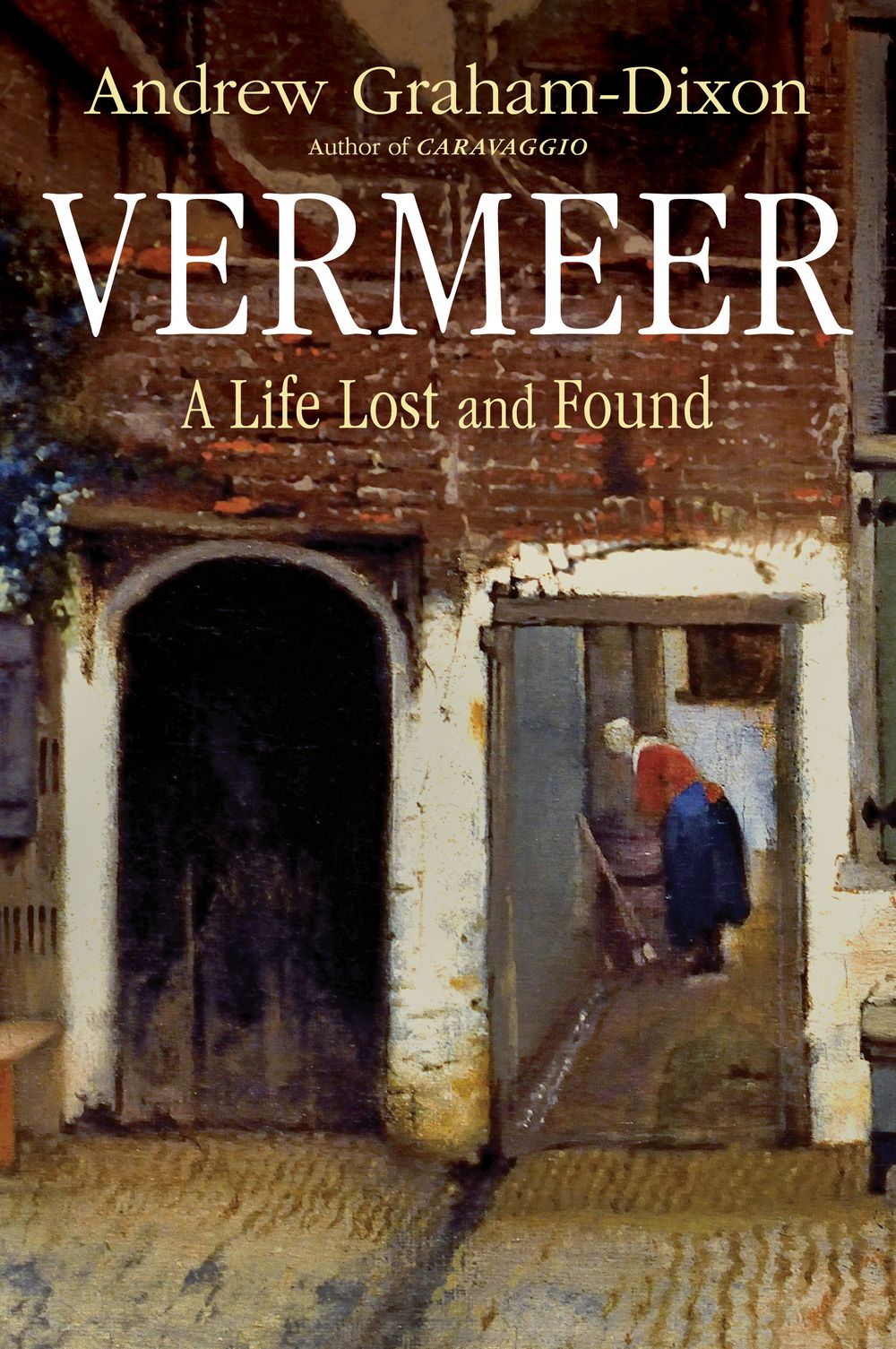
Vermeer
by Andrew Graham-Dixon (Norton)NonfictionThe painter Johannes Vermeer was born in Delft in 1632 and died there in 1675. In this biography, Graham-Dixon—the author of a vigorous account of the life of Caravaggio, from 2010—deals with the religious hostilities that formed Vermeer’s world and proposes a specific reading of his paintings grounded in Vermeer’s presence among observers of a radical Protestant movement. Vermeer’s “Woman Holding a Balance,” he says, “might have spoken clearly and directly to pious women”; the famous accessory in his “Girl with a Pearl Earring” is “no simple jewel but a reflection of the state of her soul, bursting with joy and irradiated with divine light.” You may disagree with Graham-Dixon’s conclusions, but they could not be more persuasively put, and they rescue Vermeer from being seen, as he has for so long, as a mere transcriber of the domestic.
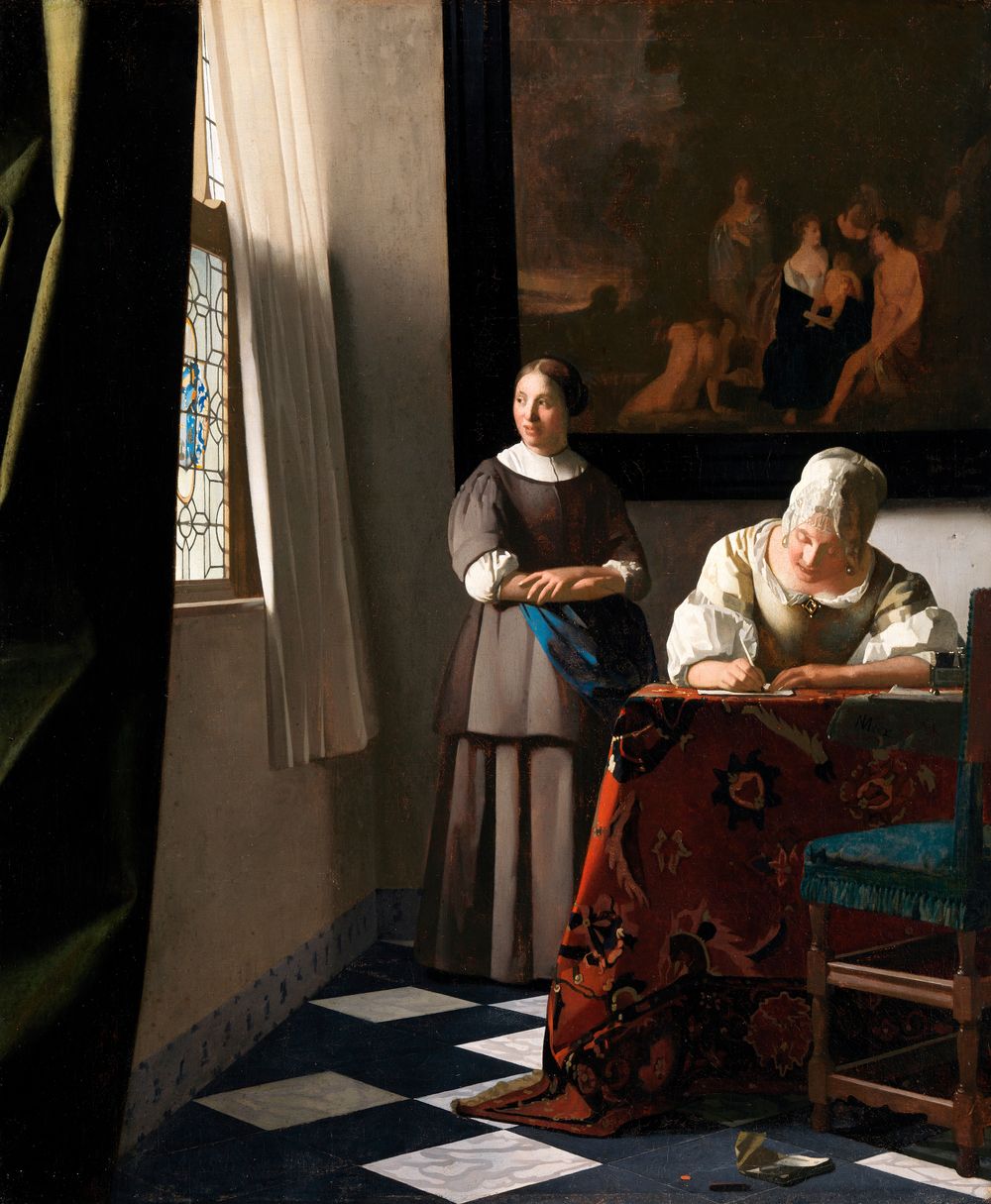 Read more: “The Violence in Vermeer,” by Anthony Lane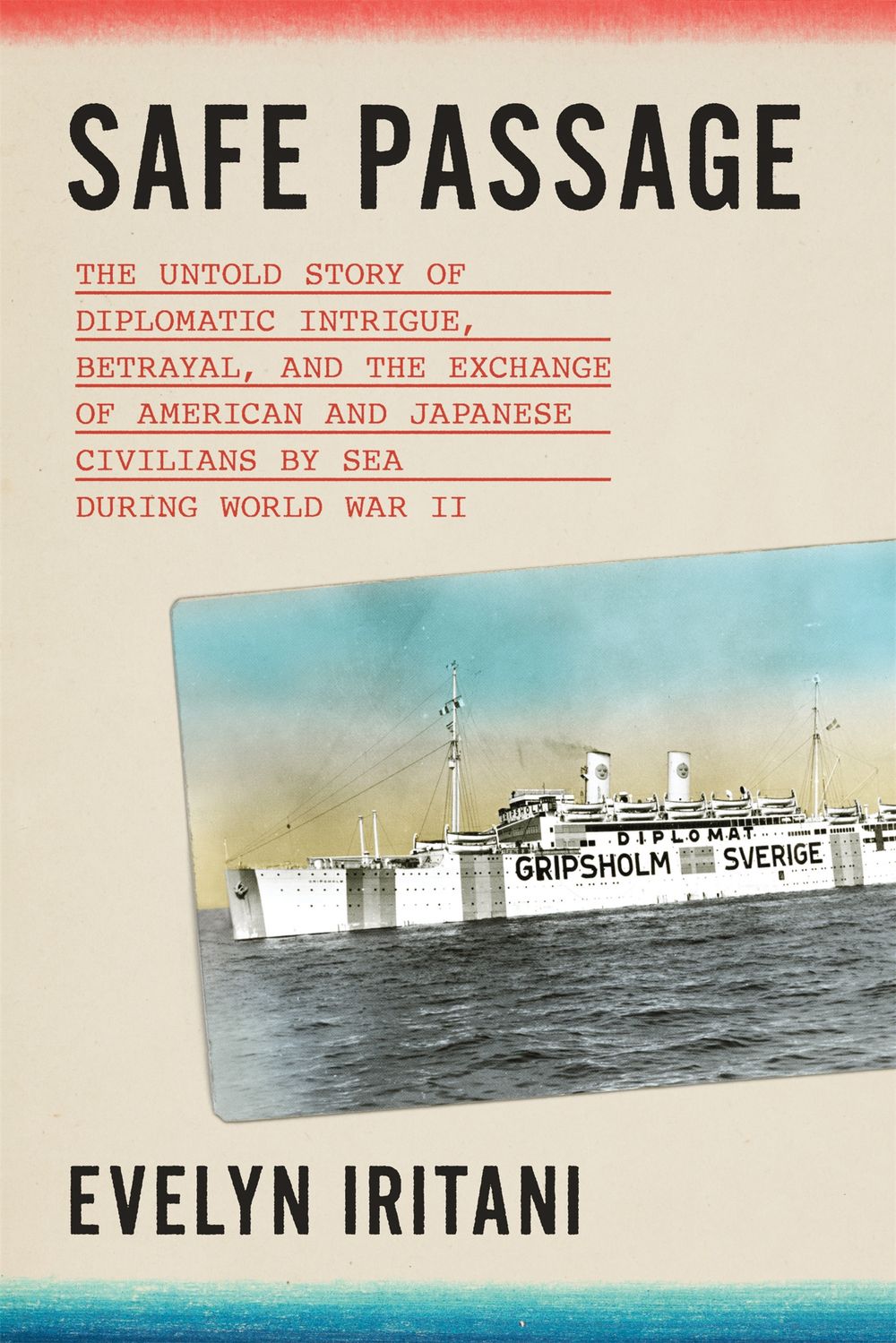
Safe Passage
by Evelyn Iritani (Farrar, Straus & Giroux)NonfictionThis engaging history focusses on civilian exchanges between the U.S. and Japan during the Second World War, which were arranged in large part to rescue citizens from enemy territory. Iritani, a journalist, follows a handful of individuals who were traded. Among them are the New Yorker writer Emily Hahn, who was living in Hong Kong under Japanese occupation, and Donald Hasuike, a fourteen-year-old Japanese American who was interned at a camp in Colorado with family before being shipped to Japan against his will. Iritani highlights both unconstitutional aspects of the U.S. government’s actions and the heroism of some of its diplomats.
Cinematic Immunity
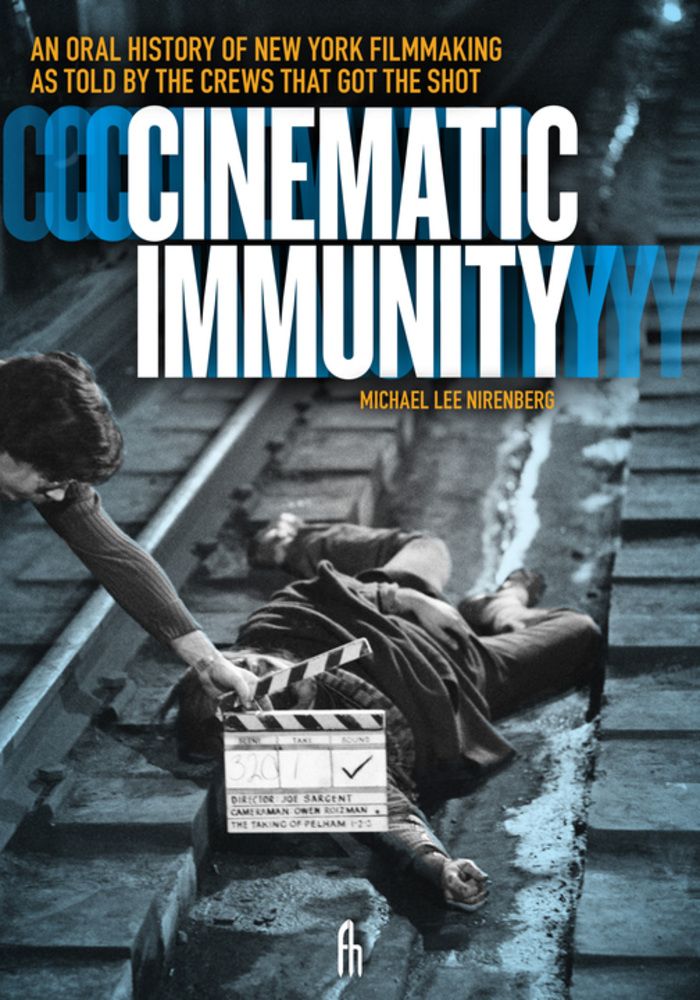
by Michael Lee Nirenberg (Feral House)NonfictionThis oral history of filmmaking is a workers’-eye view of Hollywood on the Hudson, looking behind the scenes of movies that were made on location in and around New York City (plus a few shot out of town with New York-based crews) by directors including Elia Kazan, Martin Scorsese, and Sidney Lumet. The book is manifestly a labor of love; the world it portrays is the one in which Nirenberg, a scenic artist, has made his career. Based on a hundred and fifty interviews, “Cinematic Immunity” gathers a cornucopia of anecdotes, sassy portraits, and revealing asides. The book is unputdownable—but the stakes involved, both artistic and social, make these recollections more than mere yarns. This is a story of the daily stress of filmmaking, of the class differences that define film sets, and of the kinds of relationships and processes of communication on which the very ability to function as an artist depends.
-copy.jpg) Read more: “In “Cinematic Immunity,” the Greatest Drama Is Offscreen,” by Richard Brody
Read more: “In “Cinematic Immunity,” the Greatest Drama Is Offscreen,” by Richard Brody


-copy.jpg)
 From Our Pages
London Falling
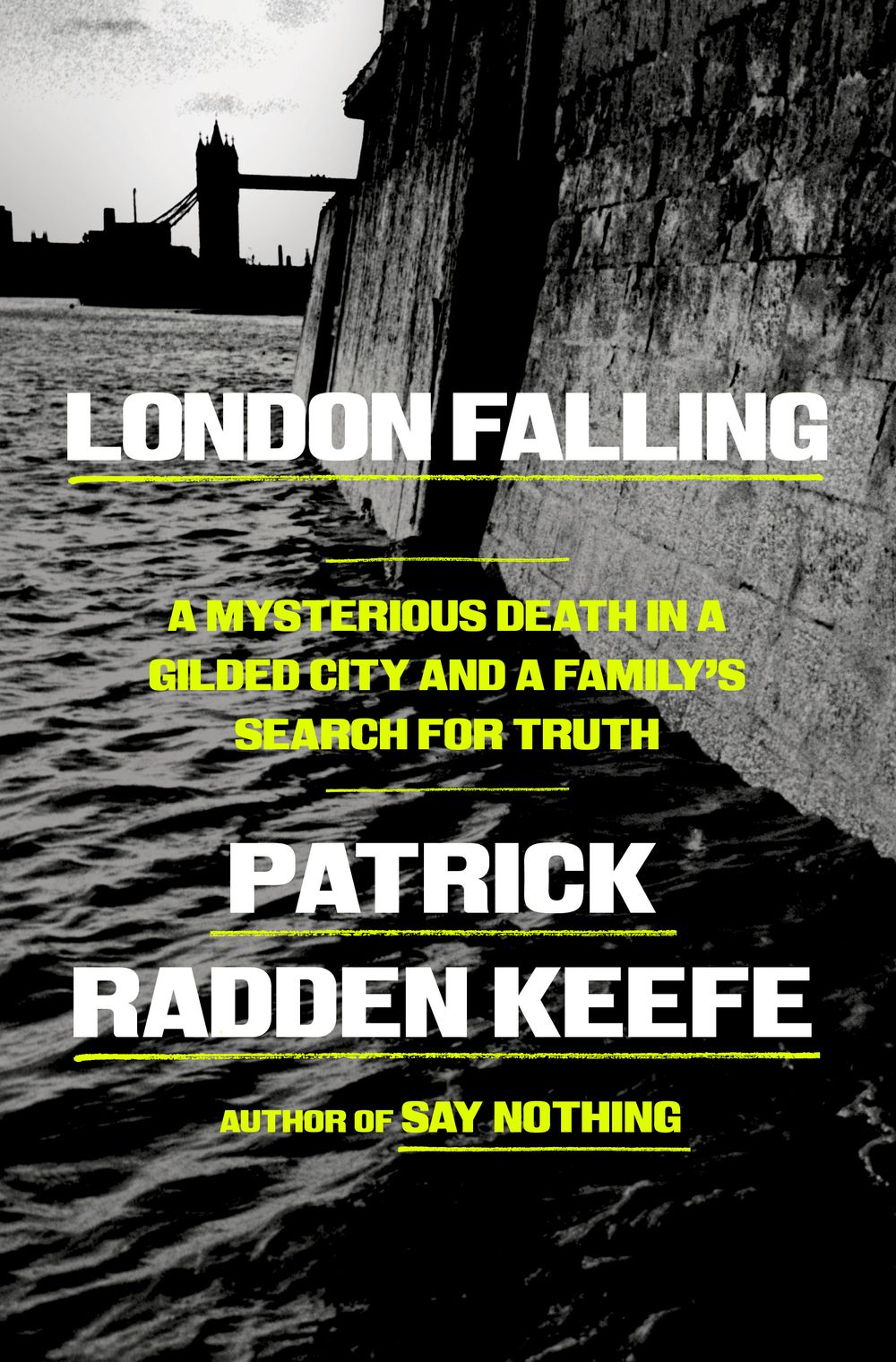
by Patrick Radden Keefe (Doubleday)NonfictionThis gripping narrative by Patrick Radden Keefe, a long-time staff writer, probes the mysterious death of Zac Brettler, a teen-ager who pretended to be a Russian oligarch’s son. What started out as a mischievous impersonation became a tragic miscalculation as Brettler plunged into the netherworld of posh criminals who increasingly power Britain’s economy. London, Keefe writes, “is full of crooks with pretensions to legitimacy and businessmen who seem a little crooked.” His book is both a tender portrait of parental grief and a savage indictment of a city that, behind its pretense of decorum, encourages the pursuit of wealth at any cost.
The Witch
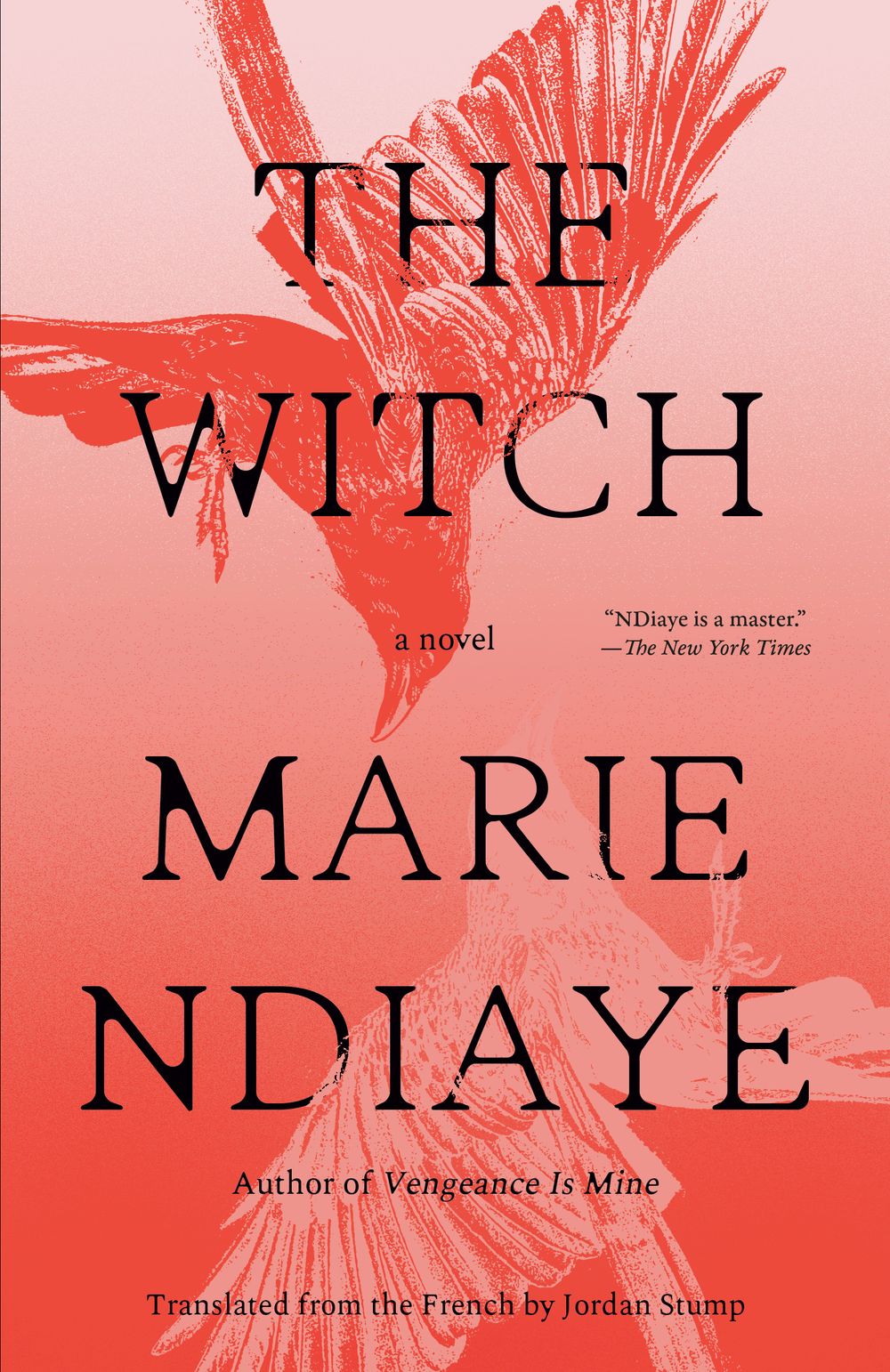
by Marie NDiaye, translated from the French by Jordan Stump (Vintage)Fiction“The Witch,” shortlisted for the 2026 International Booker Prize, is narrated by a woman, Lucie, who has decided to initiate her twelve-year-old twin daughters into what she calls “the mysterious powers.” These powers, as she describes them, appear both burdensome and nearly useless: contextless glimpses of the past and the future, minor divinatory visions accompanied by copious tears of blood. The girls acquiesce to long sessions of secret study in the basement, “away from their father’s eye.” Eleven months later, the transfer of knowledge is complete, and the girls emerge, equipped with their new powers, just as their family falls apart. NDiaye’s deliciously corrupted scenes of home and hearth produce fear and wild laughter at once. There is no hint of condescension in her writing, which is part of its difficulty—and its power.
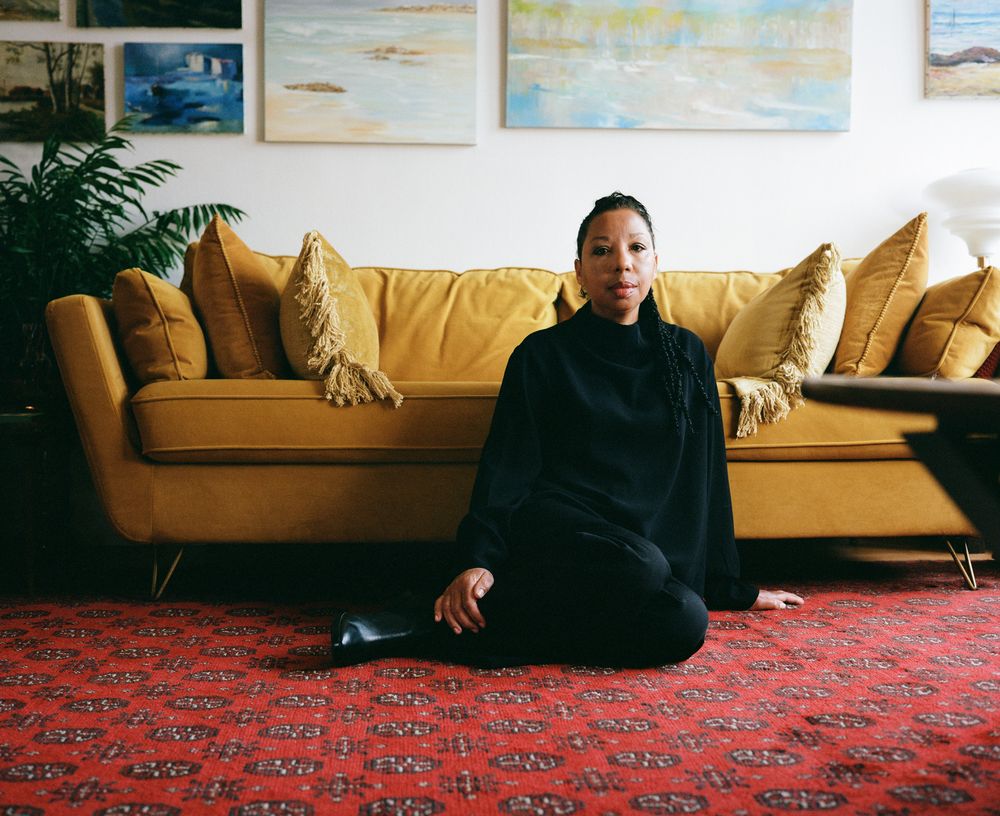 Read more: “In Marie NDiaye’s Spellbinding New Novel, Witchcraft Stays in the Family,” by Kristen Roupenian
 From Our Pages
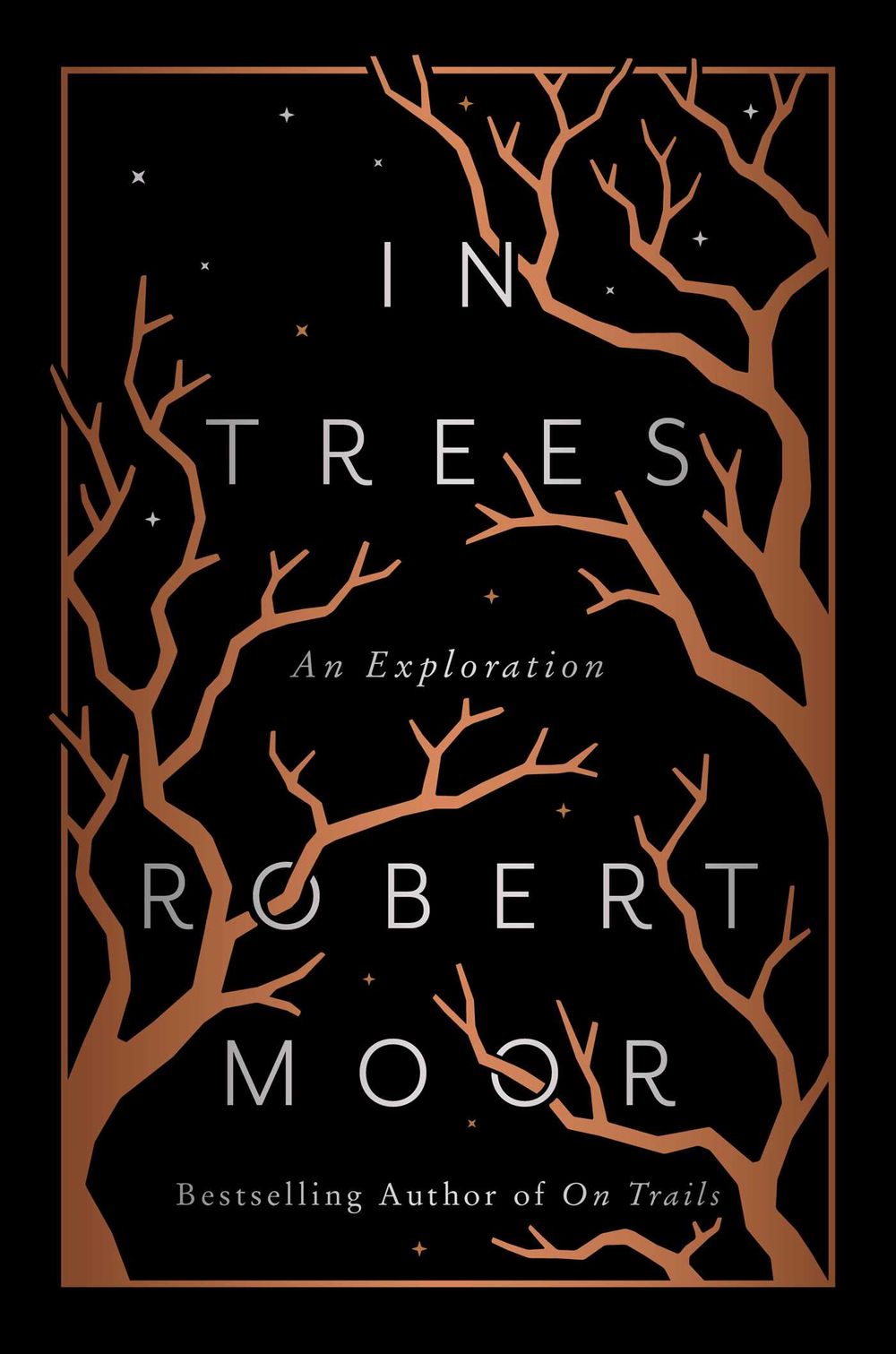
In Trees
by Robert Moor (Simon & Schuster)NonfictionFor his expansive survey of trees and what they exemplify, Moor climbed a giant sequoia, travelled to East Africa and the Indonesian province of Papua, and studied the art of bonsai. Material from two chapters appeared in the magazine: the one on bonsais began as an article, and the other, about participating in a tree-sitting protest, was excerpted.
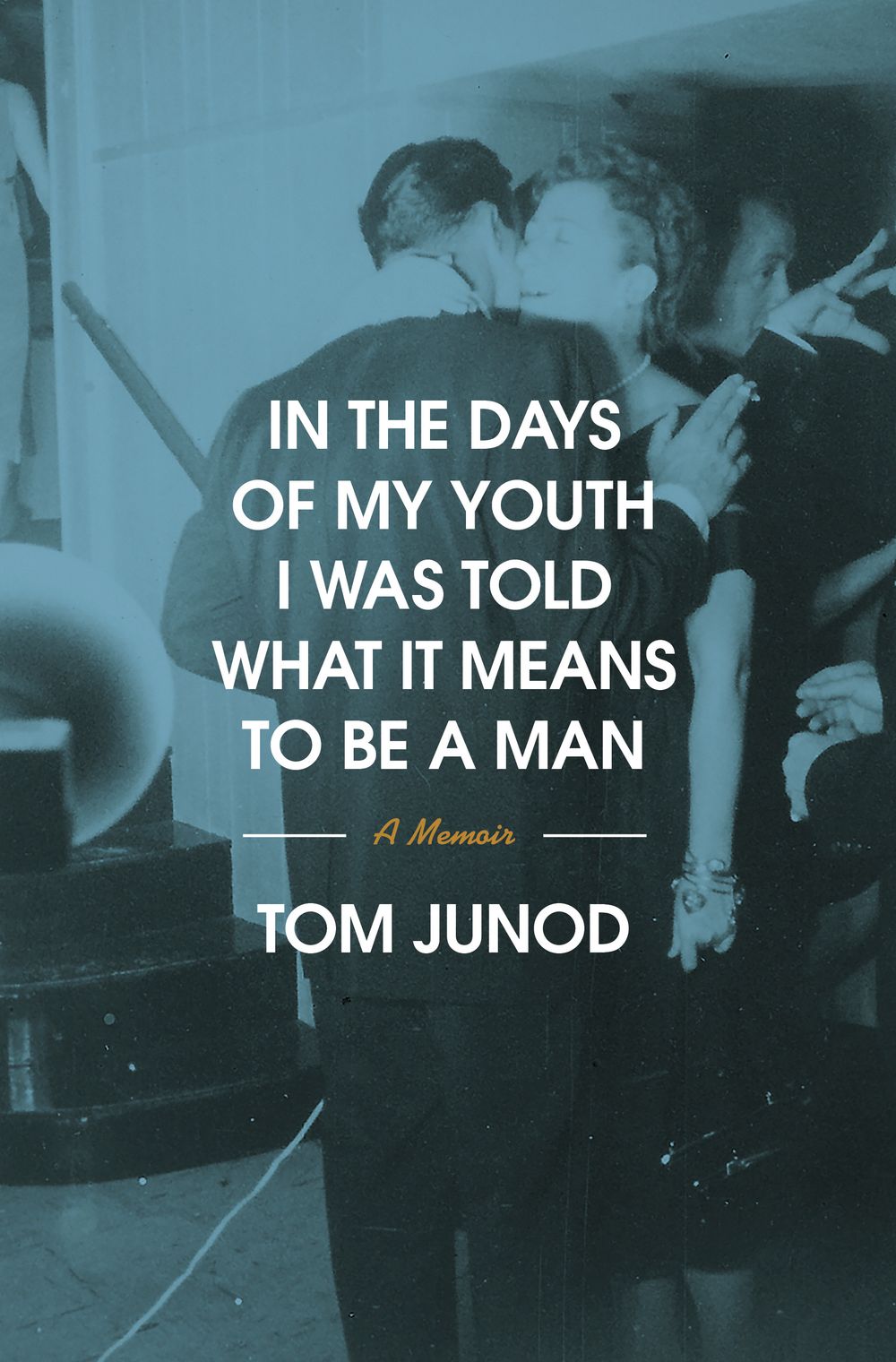
In the Days of My Youth I Was Told What It Means to Be a Man
by Tom Junod (Doubleday)FictionIn this bracing blend of memoir and detective story, Junod unearths secrets about his father. Lou Junod was a charismatic war veteran with a Purple Heart, a travelling handbag salesman, and a husband who was married to the same woman for fifty-nine years. He was also a failed singer and an inveterate philanderer. Only at Lou’s funeral, after a woman with whom Lou had an affair shows up, does Tom realize that his father’s life contained unknown mysteries. As he investigates that past, he discovers various shocks, but, ultimately, Lou’s story is one of a man who inculcated in his son an old-fashioned definition of manhood that stemmed from deep insecurity.
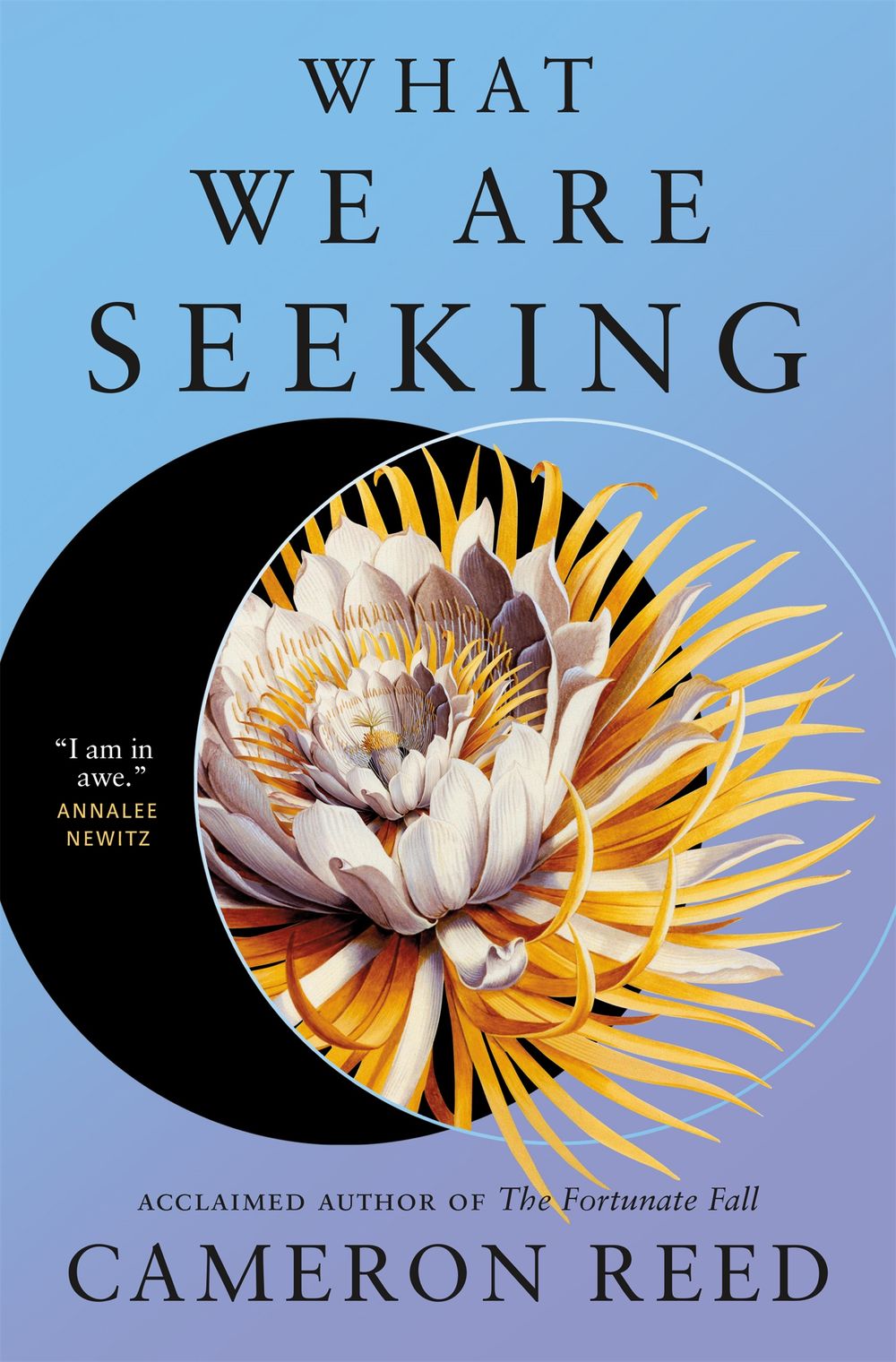
What We Are Seeking
by Cameron Reed (Tor)FictionReed’s first novel, “The Fortunate Fall,” was a landmark in science fiction, a cyberpunk saga that keenly perceived how we outsource our inner life to technology. It took thirty years for Reed’s follow-up, “What We Are Seeking,” to appear, but it pulls the same trick, showing us a new, resolutely alien world that somehow reminds us of our own. The book takes place on Scythia, a planet teeming with strange, hybrid wildlife, and colonized by two groups of human settlers with radically divergent views on culture, sexuality, gender, and religion. To coexist, the groups must first learn how—or whether—to control who gets to love and reproduce, and how to ease their presence in a place where they were uninvited.
.jpg) Read more: “The Sci-Fi Novelist Who Disappeared for Decades,” by Stephanie Burt
Read more: “The Sci-Fi Novelist Who Disappeared for Decades,” by Stephanie Burt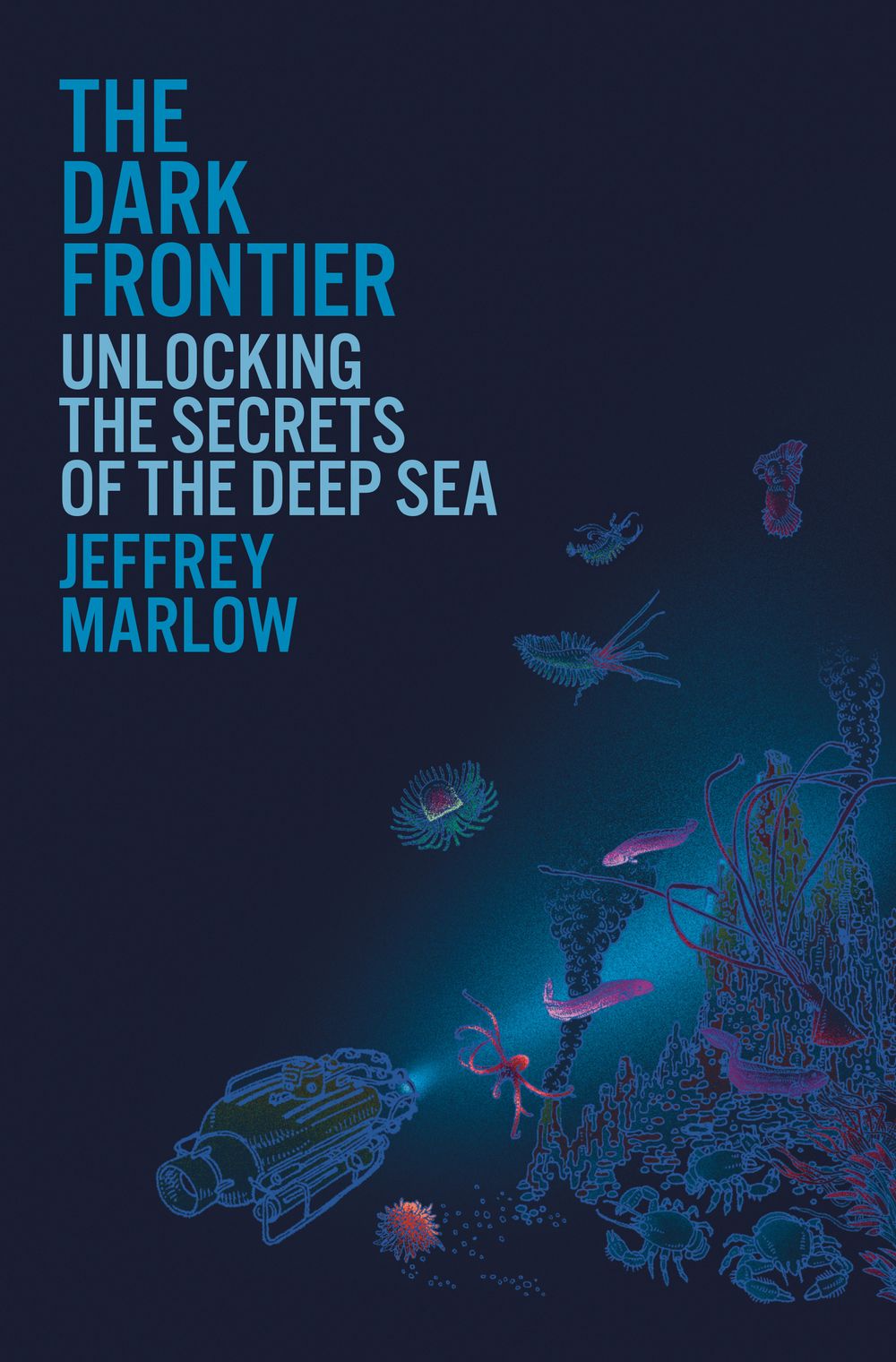 From Our Pages
The Dark Frontier
by Jeffrey Marlow (Random House)NonfictionIn an ambitious work of narrative nonfiction, Marlow, an assistant professor of biology and a science writer, explores alien worlds that can be found on our own planet. He recounts a series of voyages that have advanced ocean research, starting with the nineteenth-century expedition of H.M.S. Challenger and progressing to journeys that he and his colleagues have undertaken. From research vessels and submersibles, Marlow sees life blossoming in unlikely places, such as deep-sea methane vents and the site of a sunken whale carcass. He also witnesses the threats that aquatic ecosystems face from resource extraction and climate change. Marlow portrays the ocean as “a portal to another realm—one that may well be the largest, most diverse, most consequential habitat on Earth.” Reporting from the book appeared on newyorker.com.
 From Our Pages
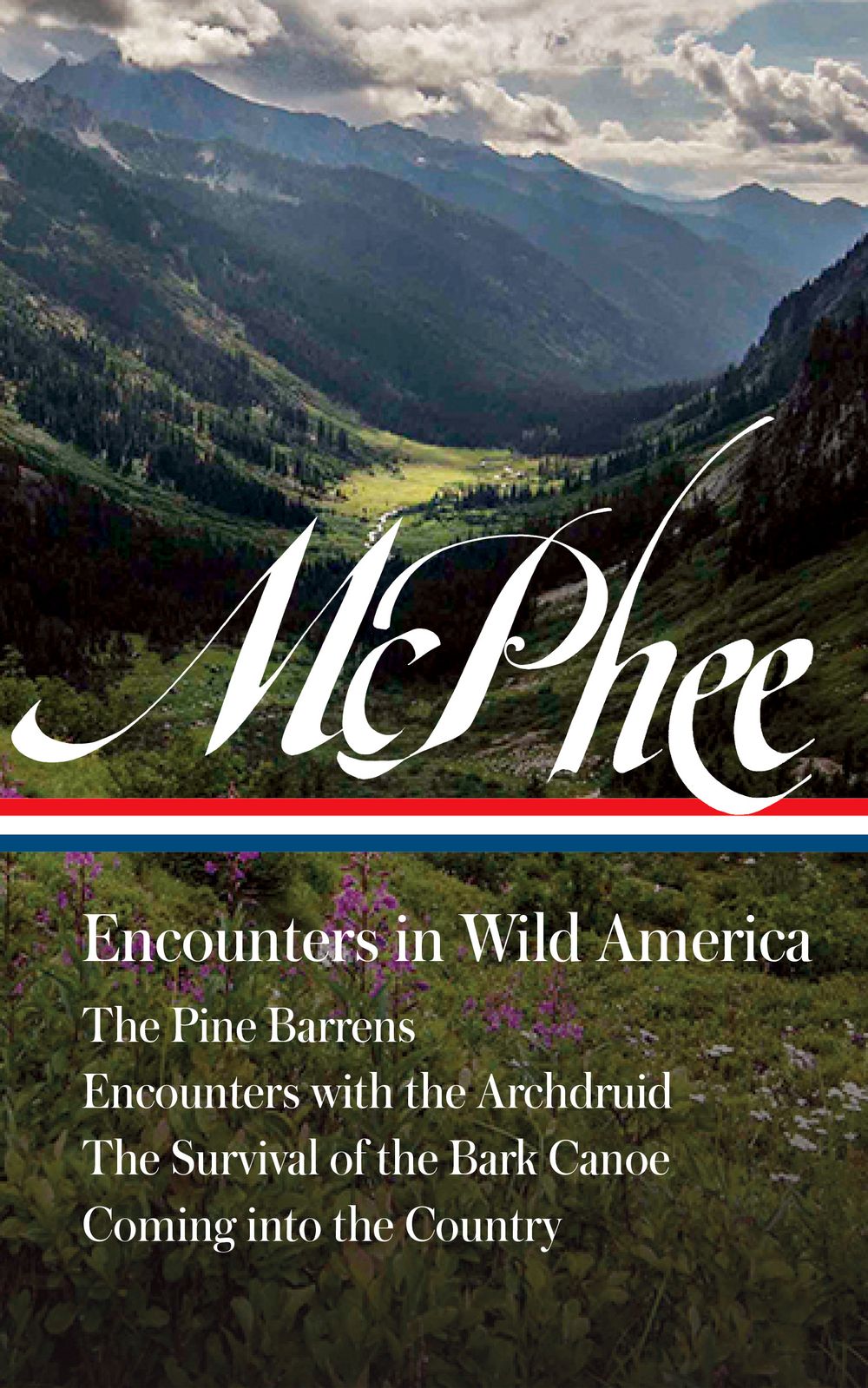
John McPhee: Encounters in Wild America
by John McPhee (Library of America)NonfictionIn this collection of four books—all of which were originally published as a series in this magazine—McPhee reflects on the unusual stretch of forest known as the New Jersey Pine Barrens; relays encounters between the conservationist David Brower and his ideological adversaries; recounts a hundred-and-fifty-mile journey through Maine in a bark canoe; and paints an expansive and intricate portrait of Alaska and its inhabitants. As always, McPhee is a master at structural innovation while paying a fastidious amount of attention to language and detail throughout.


.jpg)


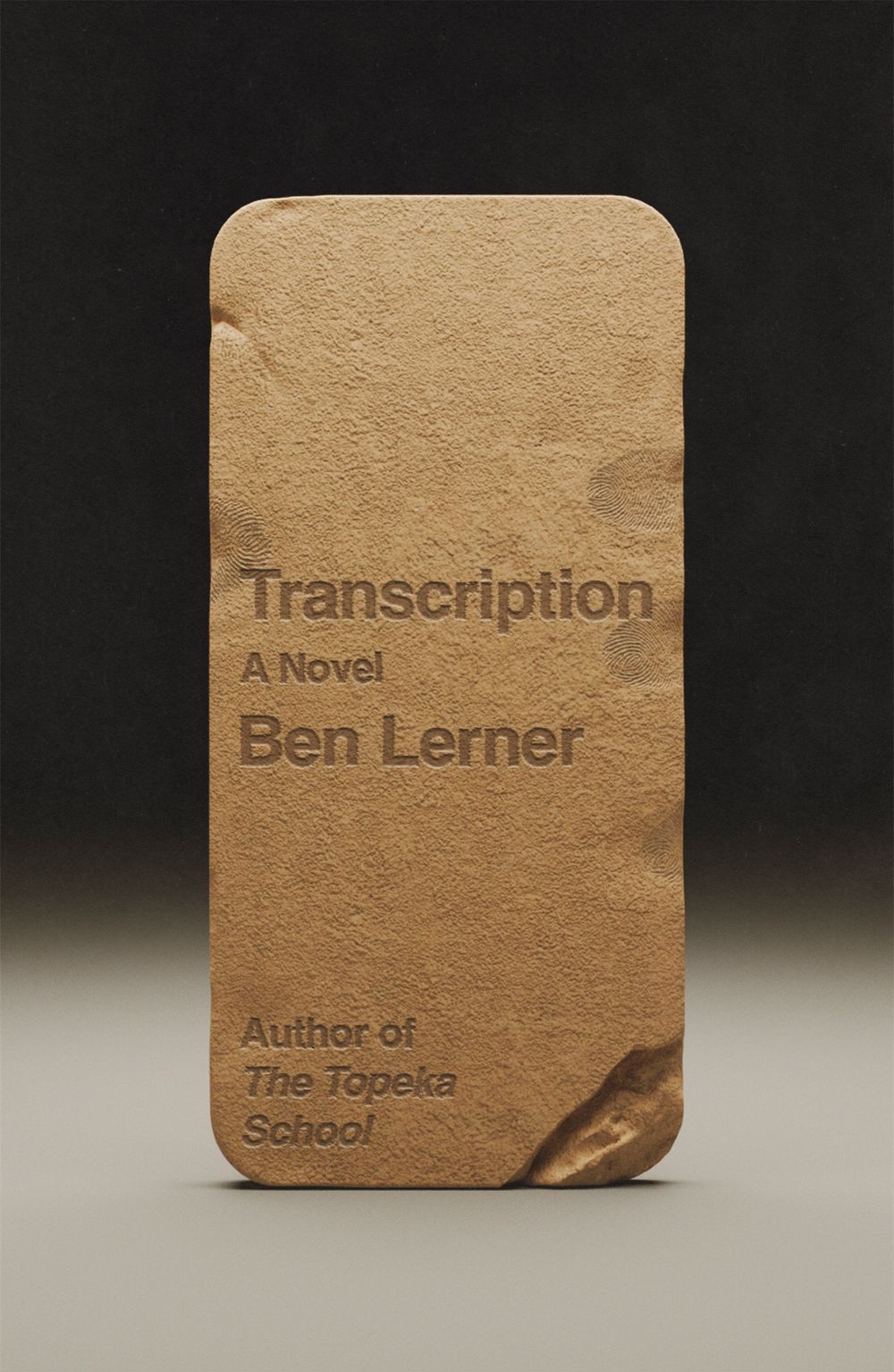
Transcription
by Ben Lerner (Farrar, Straus & Giroux)Fiction“Transcription” is the story of a high-stakes interview and its unexpected fallout. The interviewer is an unnamed writer in early middle age who has travelled from New York to Providence, Rhode Island, to speak to an old mentor for a magazine. The interviewer’s recording equipment—an iPhone—fails, but he’s too embarrassed to admit it, so he ends up pretending to record the interview, ensnared in a fiction of his own making. As with all of Lerner’s novels, the book is formally unstable. Lerner rightly insists that “the correspondence between text and world” matters less than the “intensities” of the text itself. Yet those intensities arise, time and again, from our never quite knowing what, exactly, we are looking at. Nothing in this exquisite, shape-shifting novel is quite what it seems—words least of all.
 Read more: “The Ample Rewards of Ben Lerner’s Slender New Novel,” by Giles Harvey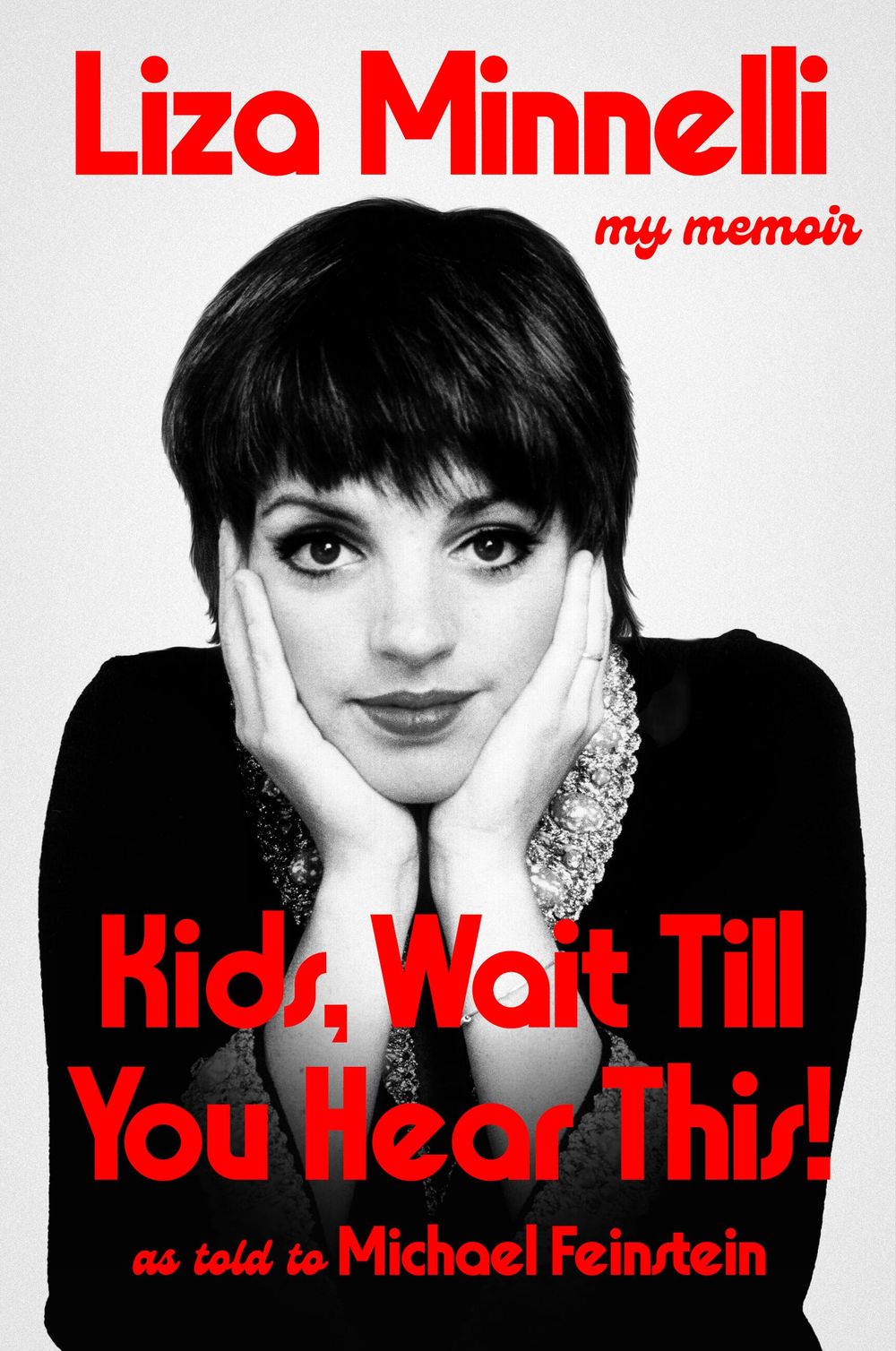
Kids, Wait Till You Hear This!
by Liza Minnelli (Grand Central)NonfictionEarly in this unvarnished memoir, Minnelli—the daughter of the director Vincente Minnelli and the tormented entertainer Judy Garland—muses, “Was life perfect with my parents? With Papa, yes. With Mama? Stay tuned.” Here, Minnelli, whose cultural footprint extends from television to pop music, chronicles her efforts to establish a career on her own terms, avoid the drug dependencies that afflicted her mother, and reckon with the “intense highs and anxious lows” that have defined her life as a performer. Even dark memories are recounted with an upbeat touch: “I was a Chrysler, honey! Just order up some new parts for me, and you’ll get me back on the road.”
 From Our Pages
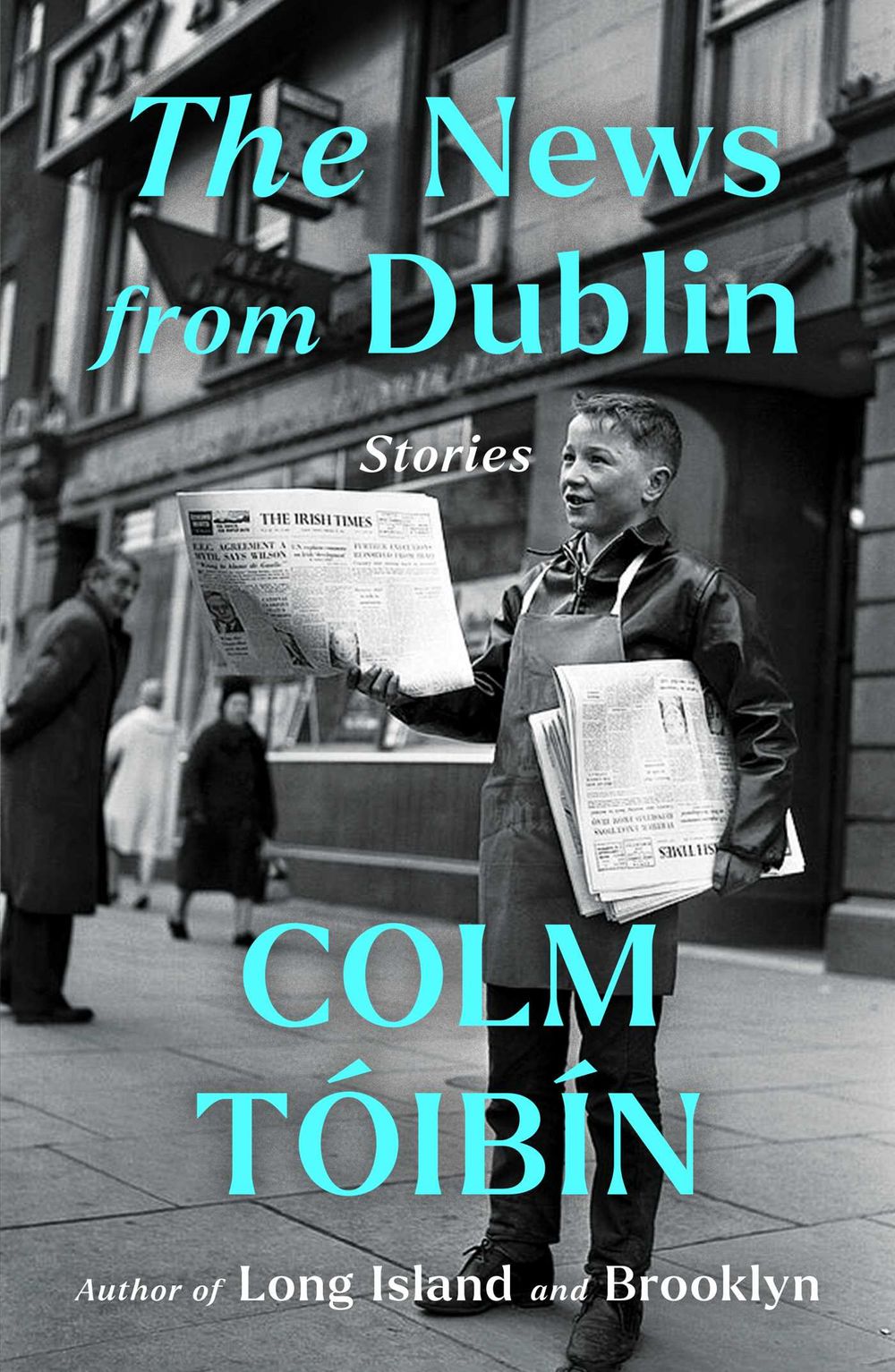
The News from Dublin
by Colm Tóibín (Scribner)FictionThe narratives in Tóibín’s third collection of short fiction, written over the past dozen or so years, are shot through with grief and regret. The bereaved or soon to be bereaved grapple with their relationships with mothers, brothers, children, or former lovers, trying to come to terms with the mistakes made, the chances not taken, the important words not spoken. Tóibín captures the gravity of these moments in life and in memory, and also the acceptance that allows us to move beyond them. Three of the stories, including “Five Bridges,” appeared first in the magazine.
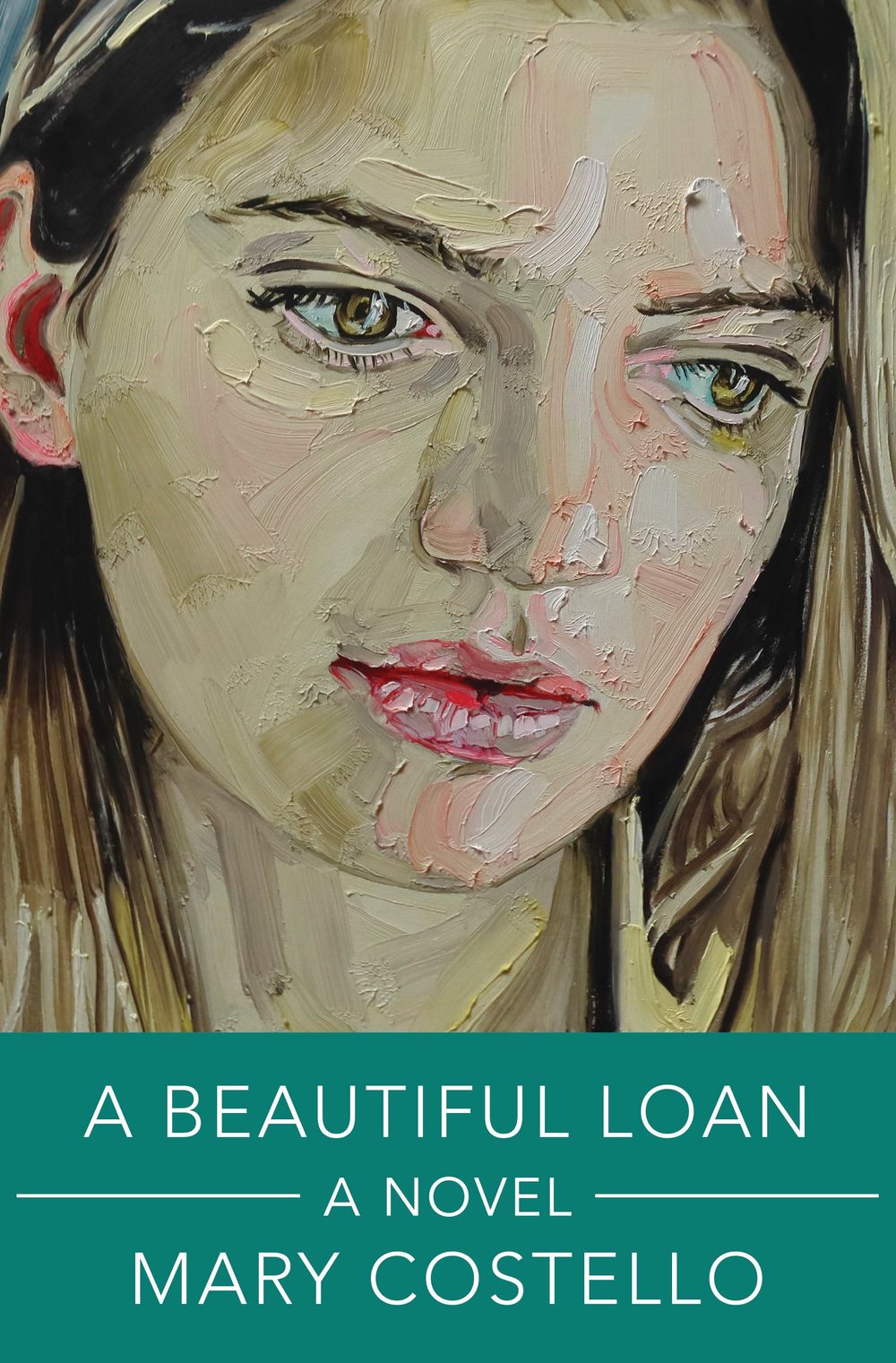
A Beautiful Loan
by Mary Costello (Norton)Fiction“I have been trying to account for certain events in my life,” Anna, this novel’s forty-five-year-old narrator, tells us by way of introduction. The events in question revolve around her relationships with two men: Peter, an older, aloof Irishman whom she met at nineteen and soon married; and Karim, a warm, devout Muslim from Algeria whom she dates after her marriage falls apart. The two couldn’t be more different, but Anna sees both as a means to freedom from “all the outer chaos.” Peter’s penchant for solitude and Karim’s commitment to Islamic rules each seem to offer Anna the buffer and order she desires, but not without a price. This psychologically raw record of one woman’s life explores the consequences of orienting oneself in relation to another.


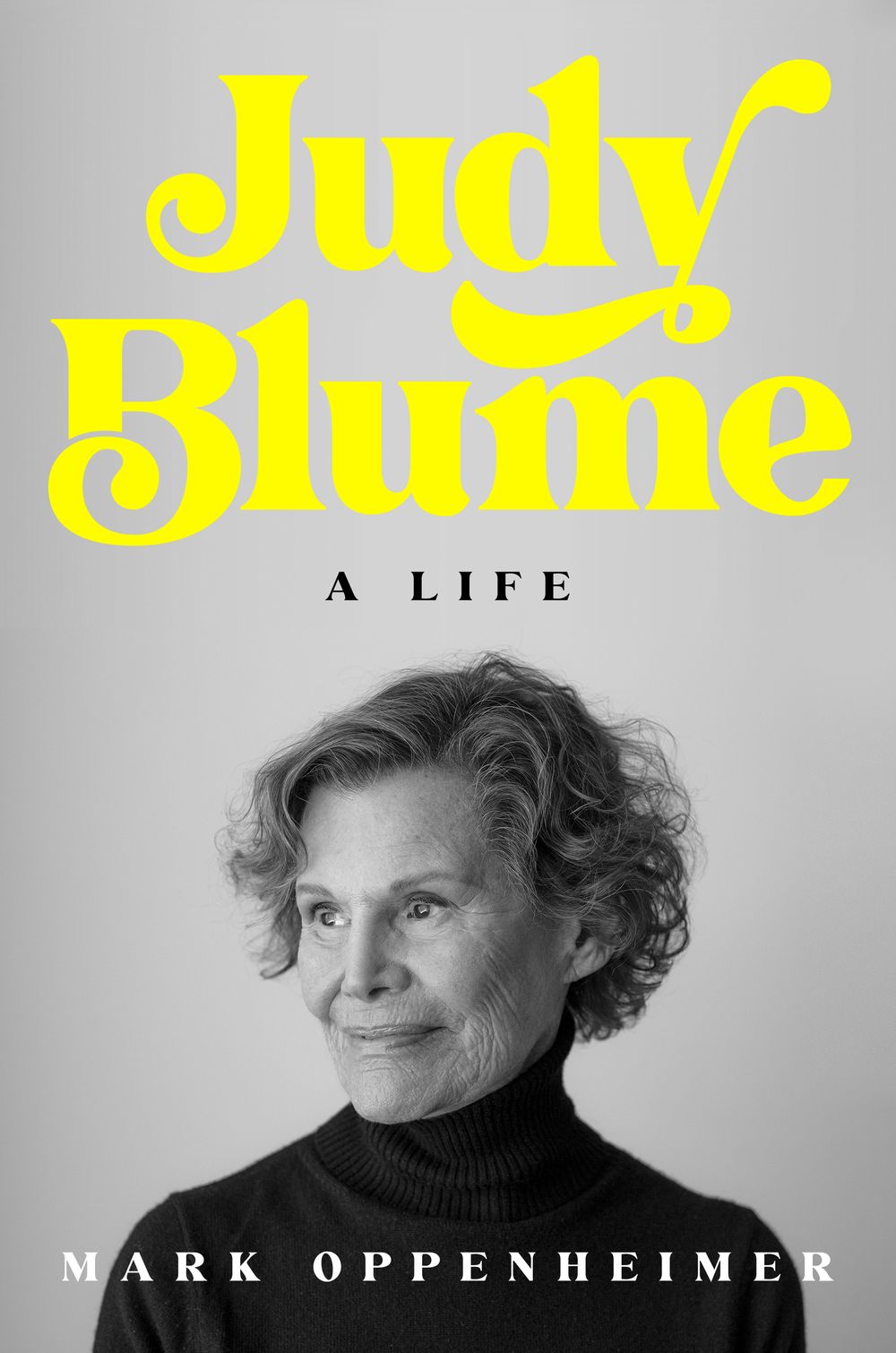
Judy Blume
by Mark Oppenheimer (Putnam)Nonfiction“Why her?” Oppenheimer, a journalist and religious-studies scholar, writes toward the end of a new biography of the celebrated children’s author. “What is it about Judy and her work that won her so many millions of fans?” In his view, Blume pioneered and popularized a new genre: “realism for young people.” With the gentle authority of someone in the know, she normalized what seemed harrowing, promised excitement and adventure, and wrote honestly about disappointment. The biography, Oppenheimer’s first, is conscientious and thorough; particularly compelling are his lucid, sensitive evocations of Blume’s upbringing, in a sexually progressive, middle-class family in suburban New Jersey.
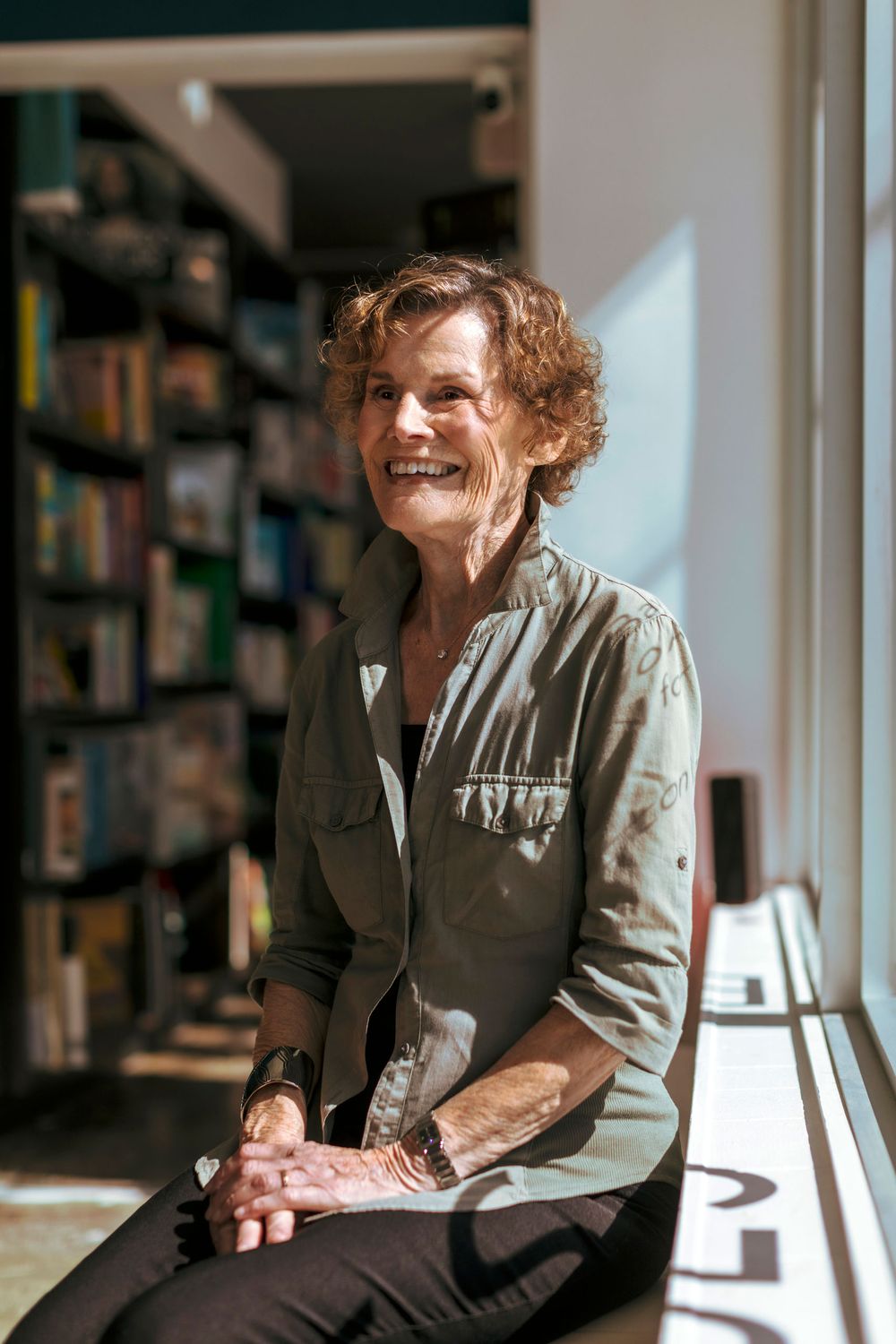 Read more: ““Judy Blume: A Life” and the Problem of Biography,” by Katy Waldman
Kin
by Tayari Jones (Knopf)FictionThis magisterial, moving novel centers on two closely connected young women, Annie and Vernice, motherless “cradle friends” raised by relatives in small-town Louisiana during the Jim Crow era. “When you don’t have your mother, you don’t really know who you are,” Annie remarks, and, as the women attempt to forge their identities, they take divergent paths. Annie runs off to Memphis with a boyfriend, in search of the mother who abandoned her; Vernice, whose mother died, goes to Spelman in pursuit of upward mobility. Much later, the two come together again, though in desperate circumstances. Jones’s book is a profound examination of the evolving intricacies of love, family, and belonging. As one character observes, “Blood alone can’t give you kinship.”
 From Our Pages
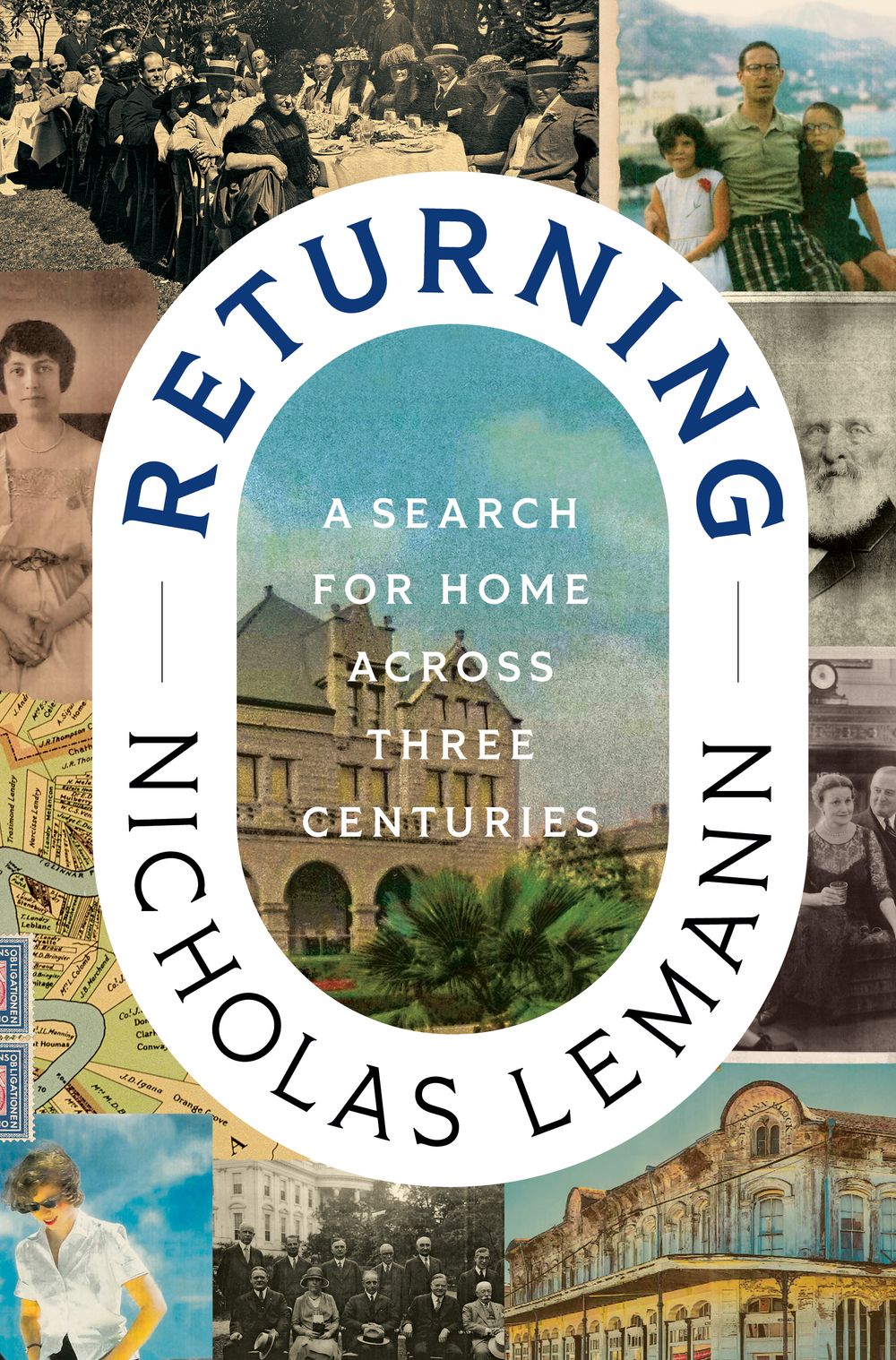
Returning
by Nicholas Lemann (Liveright)NonfictionIn this memoir, Lemann recounts five generations of his family’s history in New Orleans, where his relatives ascended into the Southern élite while retaining a fraught relationship to their Jewish identity. Lemann recalls attending religious services, but only on Thanksgiving, and having “the most unkosher dish imaginable,” roast pig, at Christmas. His family members rarely discussed the Holocaust and largely opposed the creation of a Jewish state, which “required believing,” he writes, “that an all-encompassing Jewish solidarity had become necessary.” Lemann describes how he gradually rejected these elements of his upbringing to embrace a life of openly professed faith. The book was excerpted at newyorker.com.
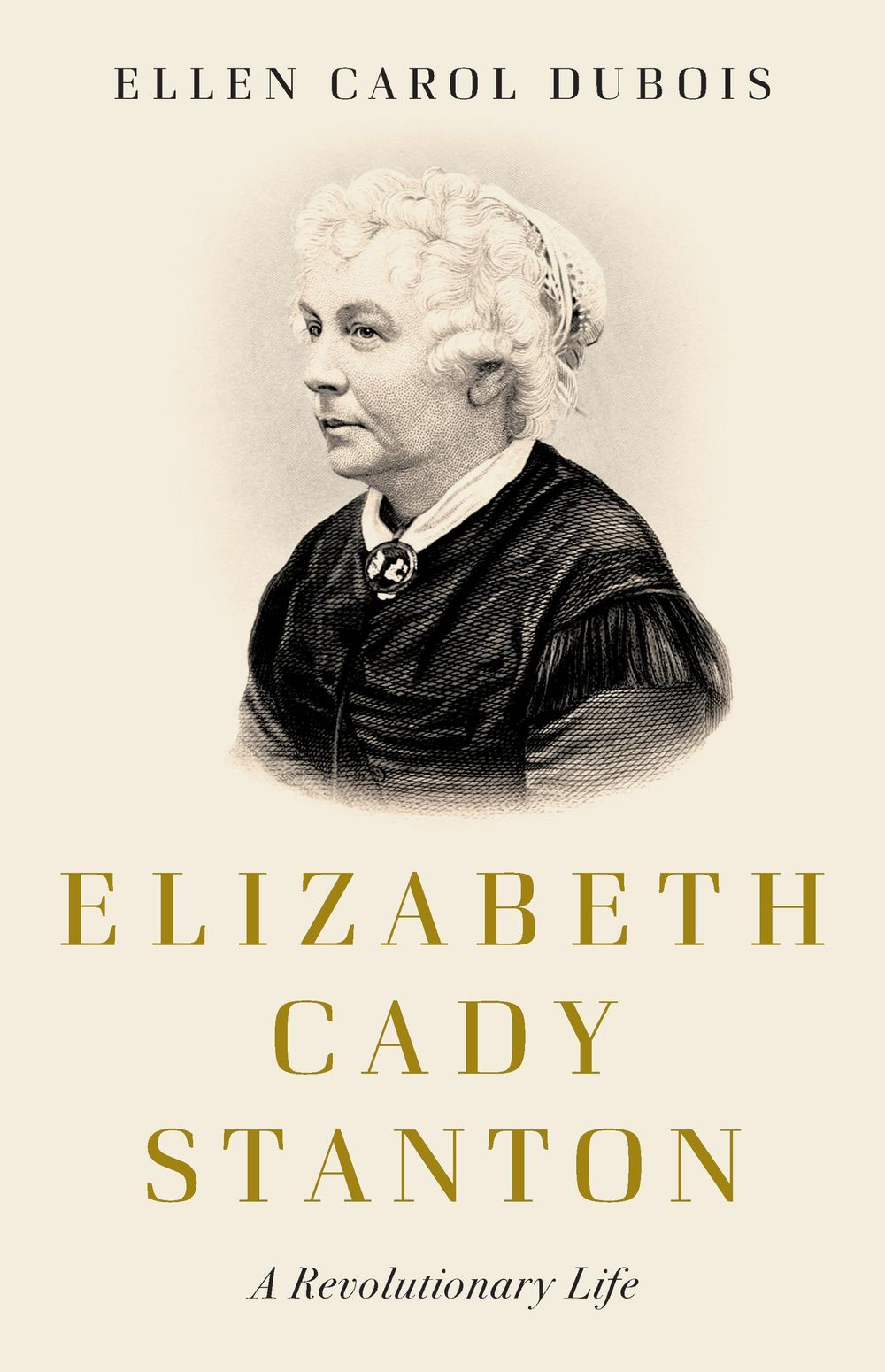
Elizabeth Cady Stanton
by Ellen Carol DuBois (Basic)NonfictionDuBois, a distinguished research scholar at U.C.L.A., has written a usefully ambivalent book about one of feminism’s most polarizing figures. Stanton, an activist who began her political life in the abolitionist movement, is famous for organizing the Seneca Falls convention and for championing the cause of women’s suffrage—a legacy that was complicated by the vile bigotry she adopted later in life. The author, one of the foremost authorities on the early suffragists, approaches her subject with the weariness of a long-suffering old friend. What emerges is a portrait of Stanton not as a paragon of feminism but as a deeply peculiar person—one whose combination of vision and hubris happened to change history.
 Read more: “The Feminist Visionary Who Lost the Plot,” by Moira Donegan
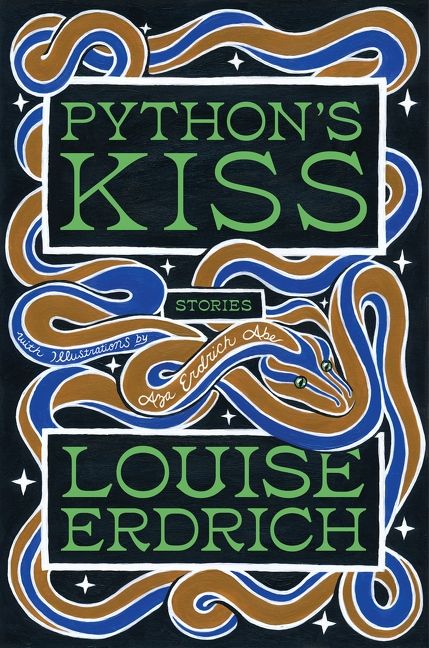 From Our Pages
Python’s Kiss
by Louise Erdrich (Harper)FictionThis collection of thirteen stories, written over the past two decades, explores a wide range of experience, from the spiritual or supernatural to the very concrete. Poignant, funny, and always surprising, the stories twist, then twist again, leaving you somewhere you’d never guessed you were going. The book’s most heartbreaking musing on loss, for instance, is expressed in the mind of a horse: “When half of you is gone, the half left behind begins its long descent into a cold strange barn. No matter how warm you get you are never warm and no matter how much you eat you are never full. You are out of harness but somehow pulling the entire weight.” Five of these stories, including “Love of My Days,” appeared first in the magazine.


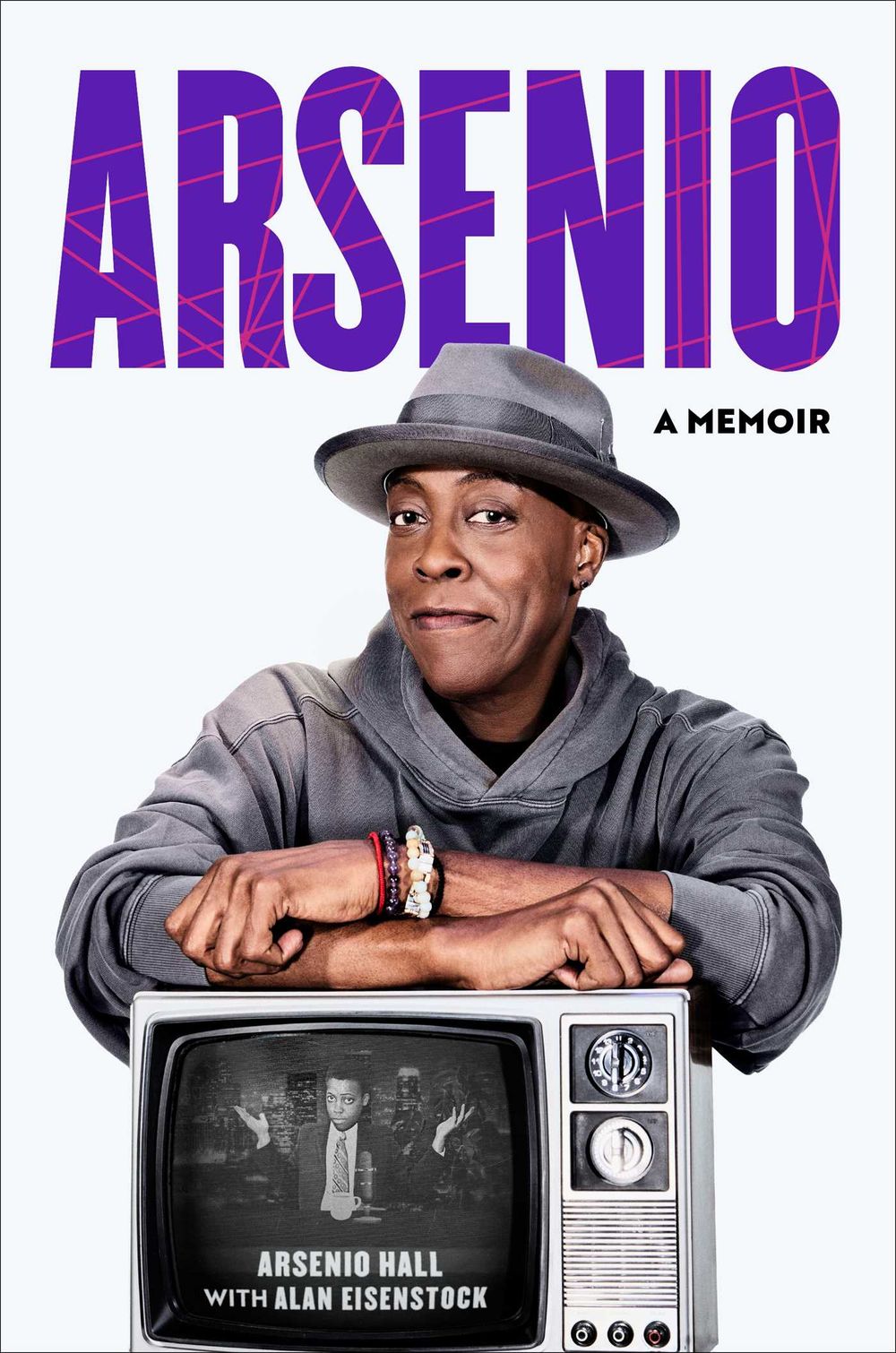
Arsenio
by Arsenio Hall (AtriaBlack Privilege)Nonfiction“The Arsenio Hall Show,” which premièred on January 3, 1989, and ran for six seasons, became the unofficial late-night home of hip-hop. “Arsenio,” a memoir written by the eponymous Black comedian with Alan Eisenstock, chronicles early-nineties cultural politics and Hall’s place within it. At a time when mainstream media was warning its audience about “the inner city,” his show proved that “the street” and its culture—from Reebok high-tops to gangster rap—were objects of white fascination and longing. Growing up in Cleveland, he had dreamed of being Johnny Carson. Six decades later, the job of telling corny jokes to a studio audience still belongs largely to white men—one of many reasons that the book feels well timed. There’s an odd dearth of autobiographies by late-night hosts, but perhaps Hall sensed that the culture needed a reminder of what “it’s a night thing”—one of his slogans—means.
 Read more: “How Arsenio Hall Shook Up Late Night,” by Jennifer Wilson
On Morrison
by Namwali Serpell (Hogarth)NonfictionThis collection of essays, by a novelist and literary scholar, considers the writer Toni Morrison’s varied body of work. Serpell homes in on its challenging qualities—including its unique orchestration of voice, unconventional chronologies, and layered metaphors—unearthing fresh insights about Morrison’s themes and craft. In a close reading of Morrison’s famed story “Recitatif,” for example, Serpell examines the ways that “race, often relegated to a visual regime, fundamentally works through language.” Enriching her research with letters, draft manuscripts, and other sources, Serpell captures Morrison’s “masterful difficulty” without sanding down its edges.
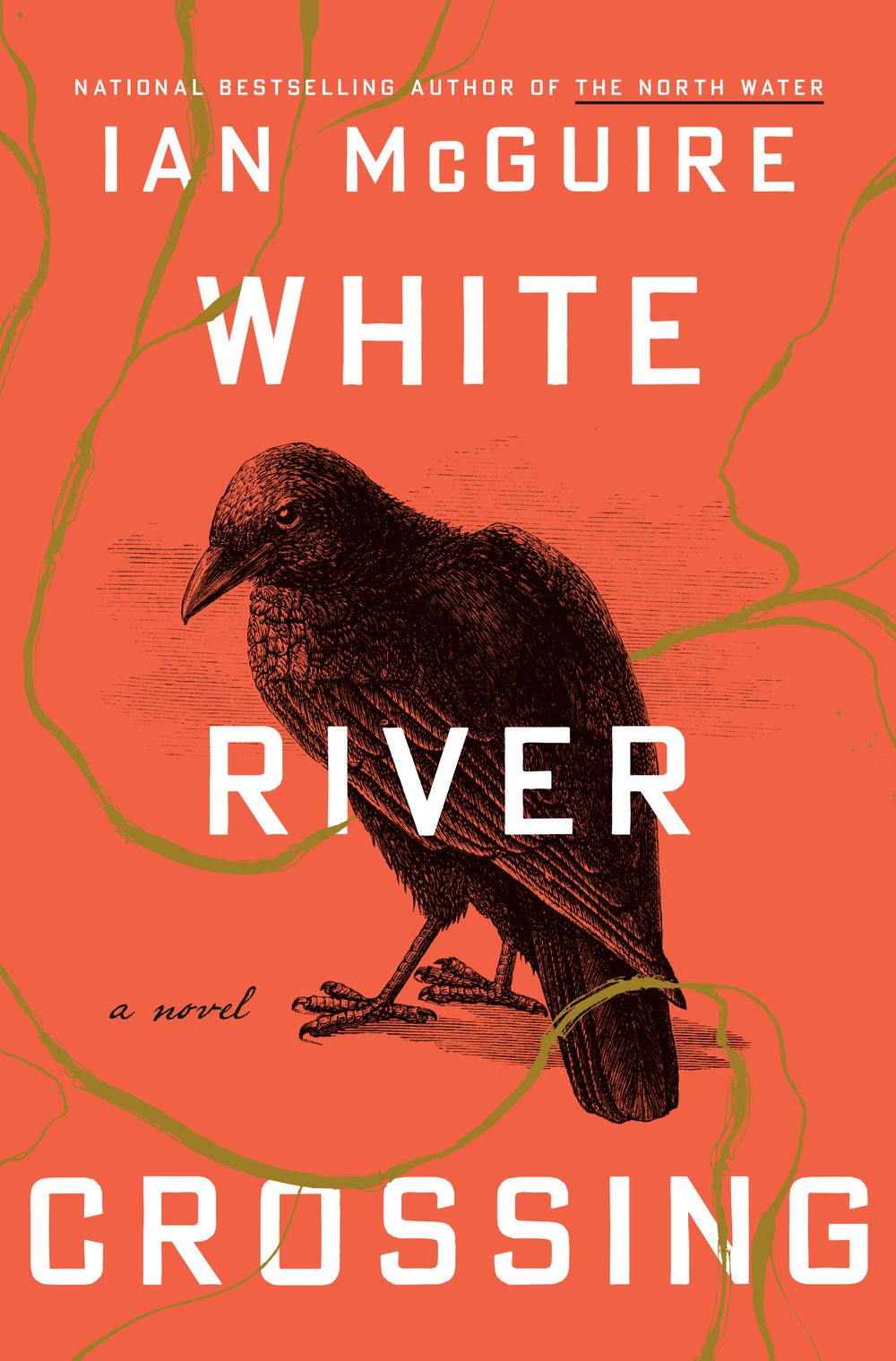
White River Crossing
by Ian McGuire (Crown)FictionSet in 1766, this harrowing novel centers on an expedition organized by the head of a Hudson’s Bay Company trading post, in Canada, who dispatches a group to secretly search for a gold deposit on remote lands inhabited by Indigenous tribes. Led by Inuit guides, the three white men in the party form an uneasy mix of personalities. There is the trading-post head’s “scrawny” young nephew; his deputy, “an oaf and a scoundrel”; and a former aspiring minister who has lost his faith. Briskly paced, immersive, and often violent, McGuire’s novel depicts the destructive and corrupting effects of the colonists’ gold lust on themselves and the Native people in their path. As one of the guides, Keasik, observes, this greed “leaves behind, like a falling tide, a tangled wrack of wariness and fear.”
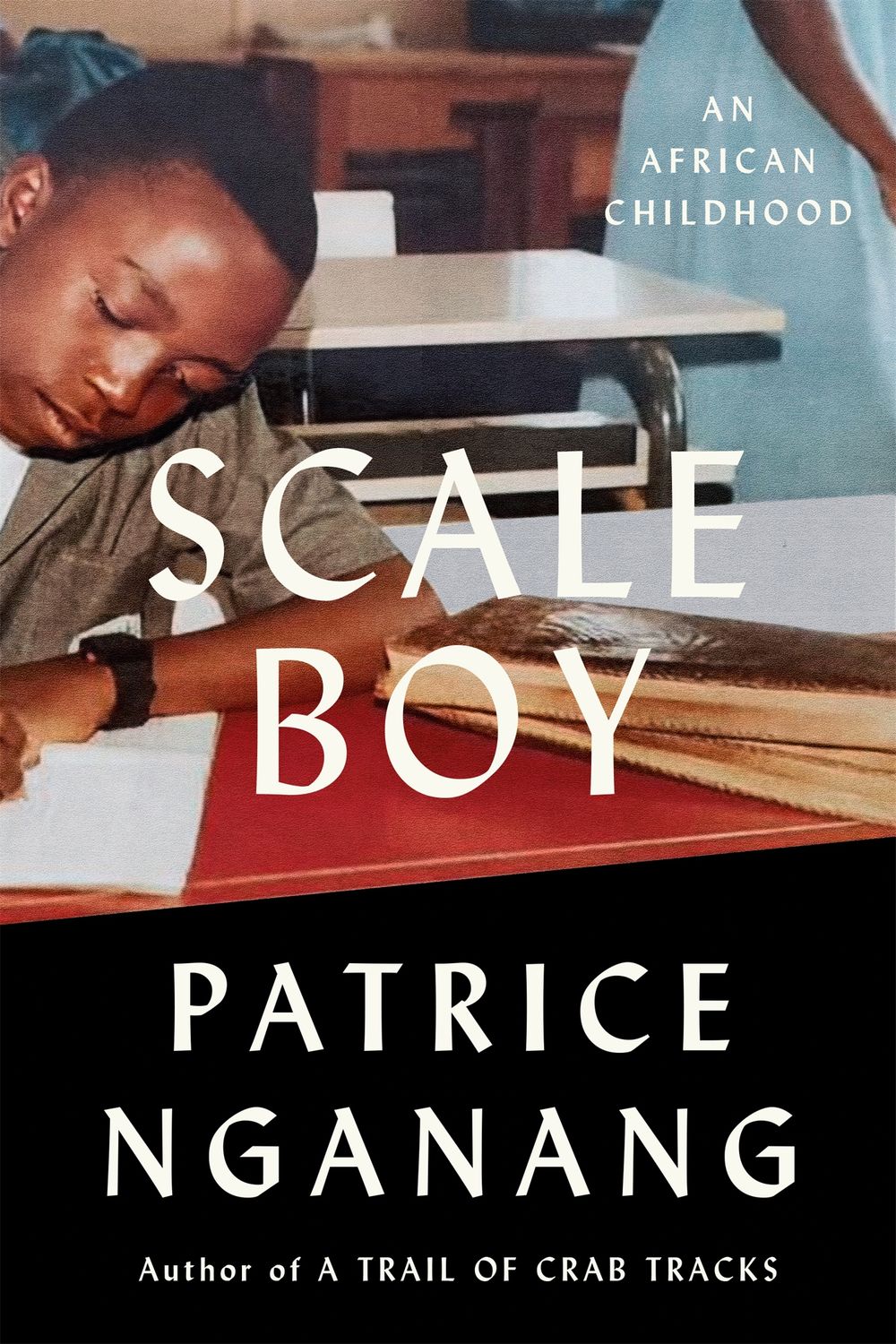
Scale Boy
by Patrice Nganang (Farrar, Straus & Giroux)NonfictionIn this unhurried, lyrical memoir, a novelist remembers his youth in Cameroon in the nineteen-seventies and eighties. Anchored by Nganang’s years as a “scale boy”—weighing people and products for a small fee—the narrative wends through anecdotes that depict a young man discovering his artistic and intellectual powers along with his nation’s colonial history. Reflecting on the meaning of the scale as an object, Nganang draws an ominous historical line from the present to the past, noting that “the scale was the very last instrument Black people stepped onto before boarding the slave ships, before entering the soul-wrenching and dreaded institution of their despair.”
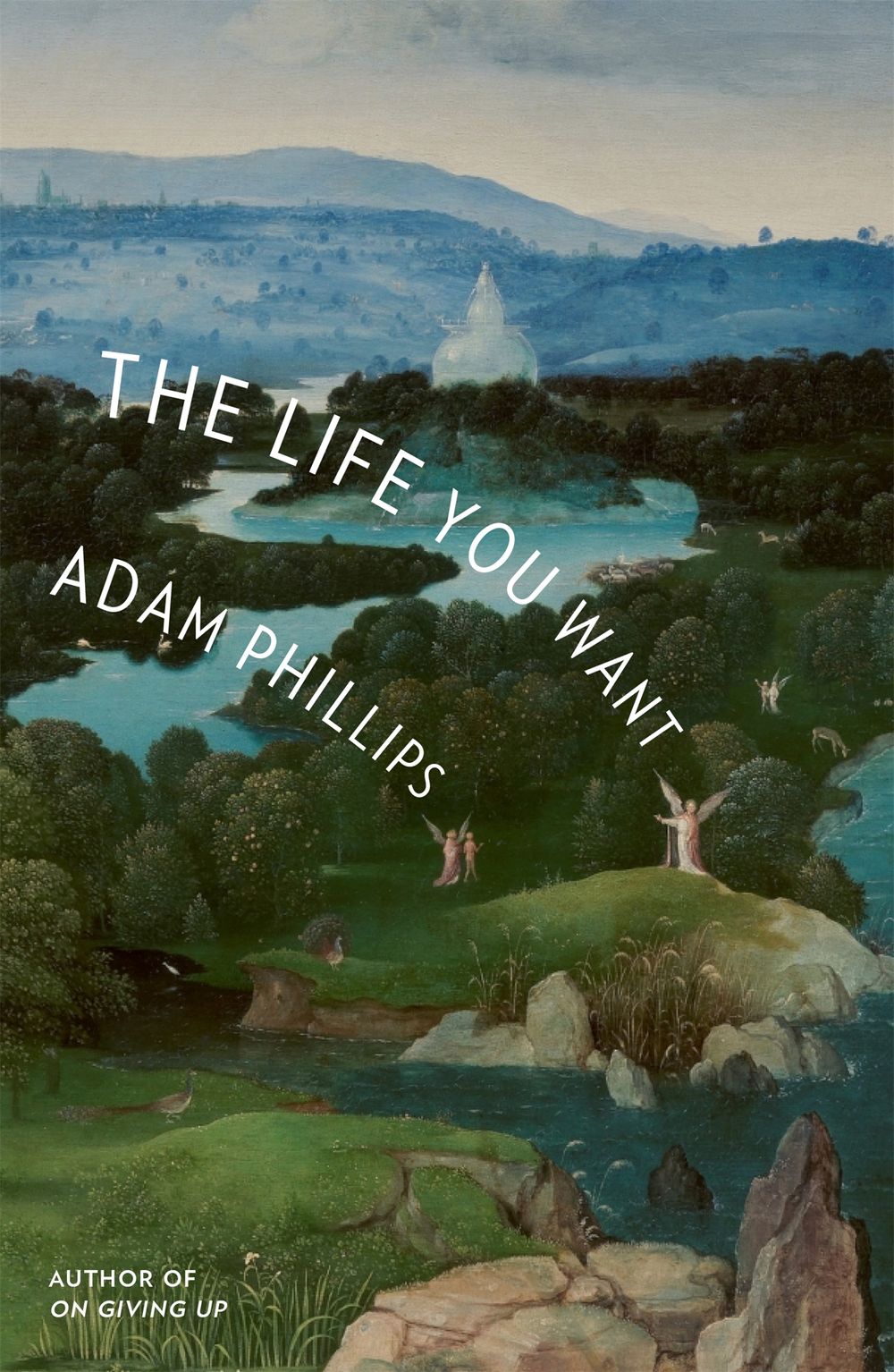
The Life You Want
by Adam Phillips (Farrar, Straus & Giroux)NonfictionWhat do we want from the lives that we secretly imagine for ourselves? “A difficult mixture of the all too familiar and the experimental, the mostly reassuring and the partly disinhibited,” Phillips, a psychoanalyst and prolific writer, contends. In essays on irreverence, resistance, Sigmund Freud, and Richard Rorty, Phillips invites us to consider that we can desire many things and advocates a correspondingly flexible, pragmatic approach to psychoanalytic treatment. He’s particularly troubled by his field’s prescriptiveness, the risk that a patient gets up from the couch having discovered not what she wants but what her therapist thinks she should want. “Describing the life we want,” he cautions, “can sometimes be the most compliant—i.e., defensive—thing we ever do.”
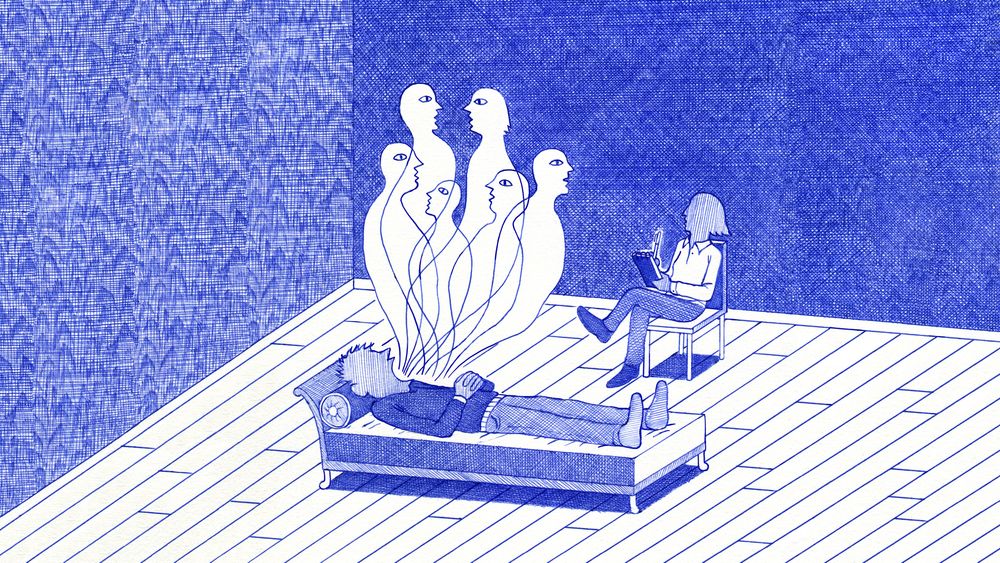 Read more: “Can Psychoanalysis Help You Get the Life You Want?,” by Katy Waldman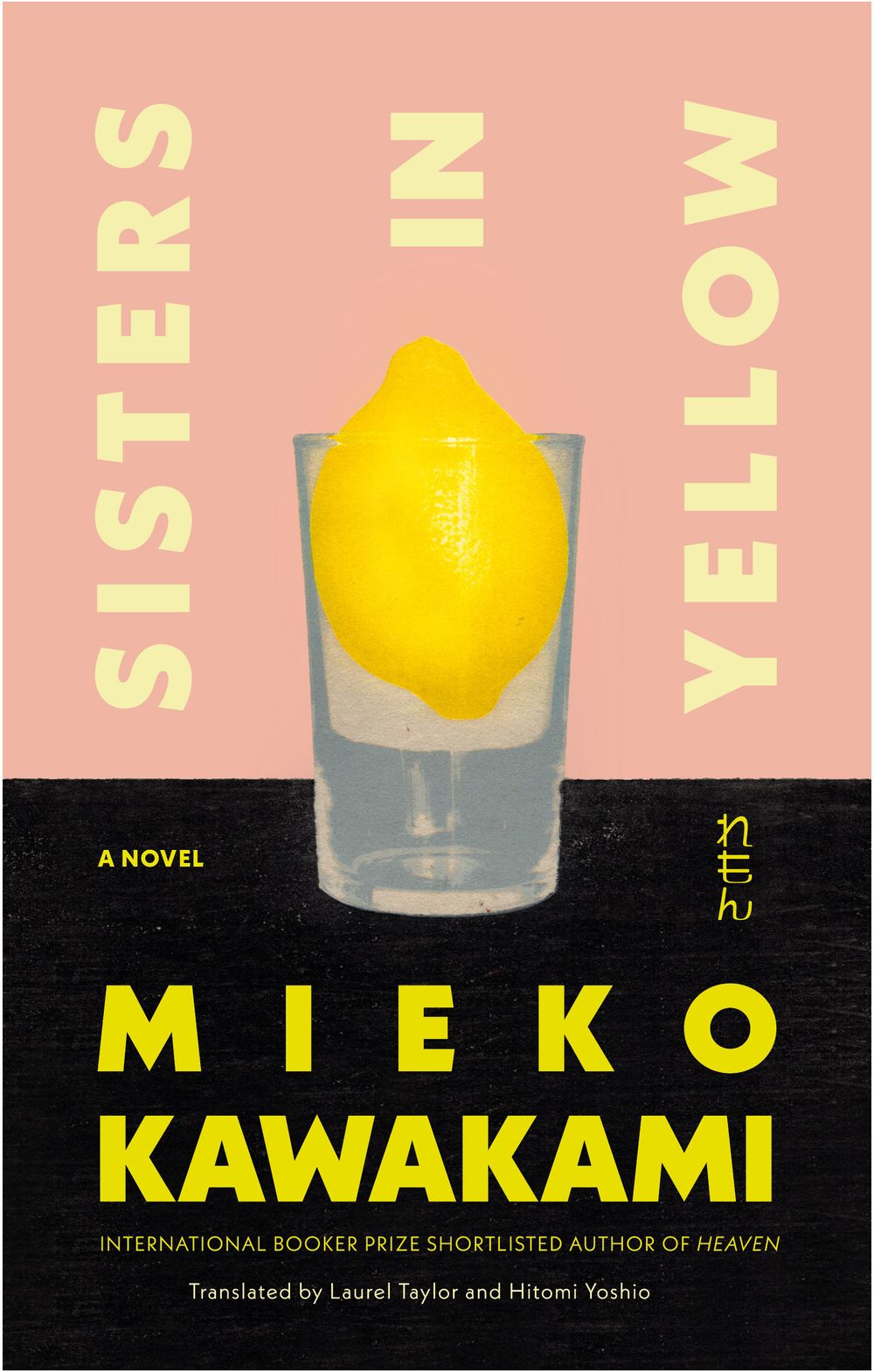
Sisters in Yellow
by Mieko Kawakami, translated from the Japanese by Laurel TaylorHitomi Yoshio (Knopf)FictionThis engrossing novel follows a teen-age girl coming of age in working-class Tokyo as she desperately tries to achieve financial stability. At the novel’s outset, Hana lives in a cramped apartment with her mother, a sweet but hapless bar waitress, and longs to escape from a home life that her bullies condemn as “not normal.” Then she meets a charismatic friend of her mother’s, and the two begin running a bar; together with two other girls who become Hana’s friends, they soon form a kind of makeshift happy family. But, when a series of events threatens their ability to earn, Hana discovers how difficult class ascension really is. “I’m trying so hard,” she says at one point. “But I always wind up back here.”


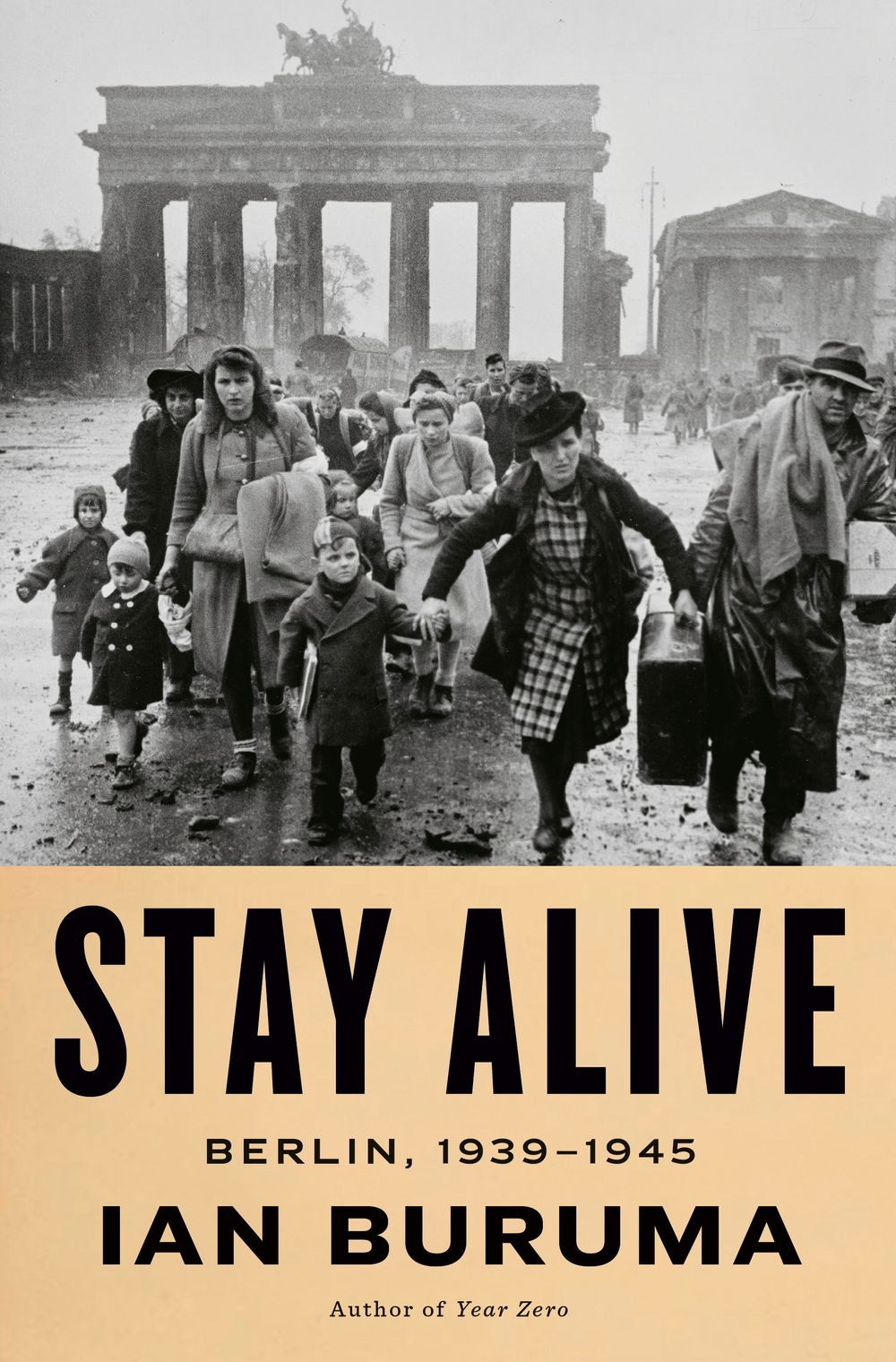
Stay Alive
by Ian Buruma (Penguin Press)NonfictionIn the opening pages of “Stay Alive,” Buruma recounts the story of his father, Leo, who was attending law school in the Nazi-occupied Netherlands when he and his own father were surrounded by police at a train station. Leo had to make an agonizing call: either he could coöperate with the Nazis or both he and his father would be arrested. He opted for the former and was sent to a labor camp in Lichtenberg, a neighborhood in east Berlin. Leo’s time in Berlin, Buruma reports, “haunted him” until his death, in 2020. This torment spurred Buruma’s own project. “I wanted to know more about life in the city that marked my father’s life,” he writes. The book is organized like a diary, with a section devoted to each year of the war, allowing Buruma to incorporate a wide variety of viewpoints; in addition to diaries, memoirs, and letters, he draws on advertisements, fashion magazines, propaganda leaflets, and interviews with aged Berliners. Here, students, musicians, Nazi maidens, and members of the resistance are all allowed to speak for themselves—to judge their own behavior, or not to.
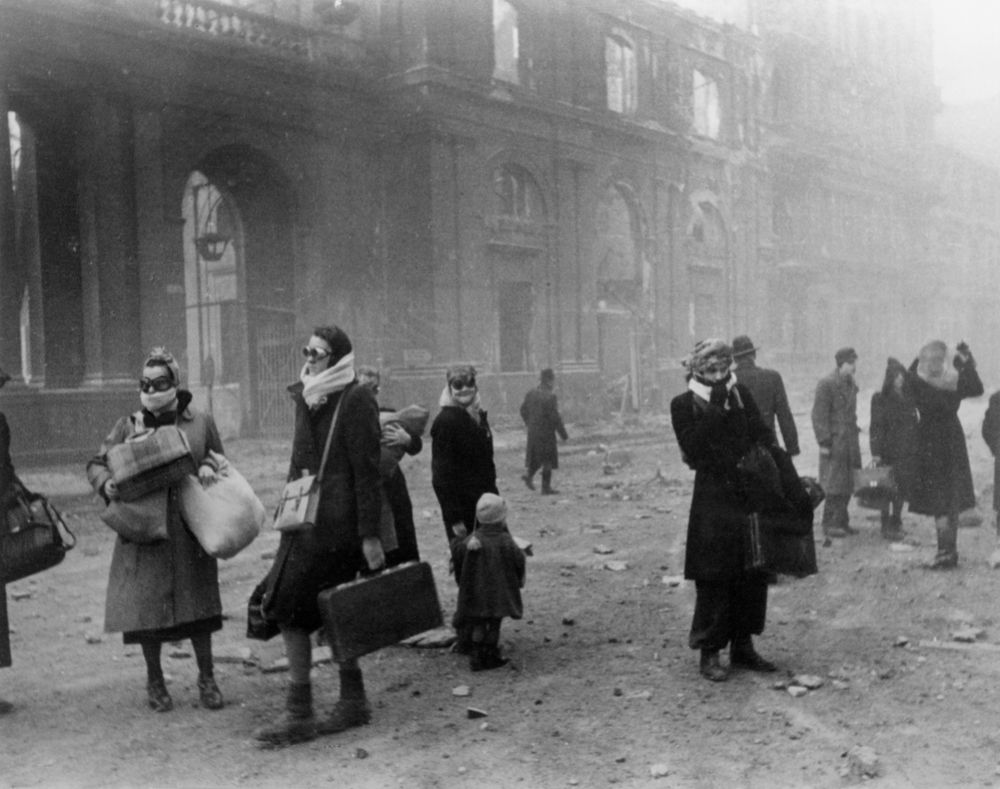 Read more: “Life in Hitler’s Capital,” by Elizabeth Kolbert
End of Days
by Chris Jennings (Little, Brown)NonfictionIn 1992, a standoff in rural Idaho between federal law-enforcement agents and the fundamentalist Christian Randy Weaver, who believed Armageddon was nigh, captured the public imagination. Ruby Ridge, as the incident came to be known, resulted in the deaths of Weaver’s wife and son. As Jennings shows in his powerful account, it also became a flash point in the long-running struggle between the government and the tens of millions of Americans who believe the Second Coming to be imminent. While tracing the lineage of apocalyptic faith from the end of the Civil War on, Jennings argues that such belief is a “potent and habitually overlooked ingredient” in “the ongoing crackup of American civic life.”
 From Our Pages
The Complex
by Karan Mahajan (Viking)FictionThe National Book Award finalist’s third novel is a sweeping story about the rise and fall of the descendants of one of the political architects of India. The setting is two buildings in Delhi—the complex of the title—where members of the family grapple with their shifting fortunes. The novel was excerpted in the magazine.
 From Our Pages
An Arrow in Flight
by Mary Lavin (Scribner)FictionMary Lavin published more than a dozen stories in The New Yorker between 1959 and 1976, seven of which are included in this collection, selected and introduced by Colm Tóibín. As Tóibín writes, her fiction is set in Dublin and rural Ireland, but she does not “deal in predictable local color”; her stories are “more interested in the drama around the solitary figure than large questions of identity.” Sharp, meticulous, painful, and sometimes funny, the stories both rise above their time and place and transport us there. You can hear Tóibín read and discuss Lavin’s story “In the Middle of the Fields,” included in this volume, on an episode of the New Yorker Fiction Podcast.
Tiny Gardens Everywhere
by Kate Brown (Norton)NonfictionThis manifesto of urban gardening explores how planted parcels of land can not only provide nutrition but also support social revolution. Brown, an environmental historian, draws on a wealth of examples: In nineteenth-century Europe, many English workers relied on allotment gardens to help them withstand the loss of wages during labor strikes. Community gardens in Paris, fertilized with horse manure, generated produce that fed the city through periods of famine. During the Great Depression, Black Americans used gardening techniques passed down by earlier generations to turn degraded lawns into thriving plots. Throughout, Brown proves that gardening is not just a way to produce food but also a tool of self-empowerment.
 From Our Pages
Down Time
by Andrew Martin (Farrar, Straus & Giroux)
Floodlines
by Saleem Haddad (Europa)FictionIn this sprawling family saga, three Iraqi British sisters strain against one another while contending with political turmoil. In 2014, the three women are living distant lives in the U.K. and Dubai when they are forced to reconnect after paintings made by their late father, a prominent artist, are suddenly rediscovered. At the same time, the Islamic State entrenches itself further into the siblings’ homeland, prompting them to reflect on the meaning of their newfound status as cultural stewards. Haddad, who was born in Kuwait and has been an aid worker throughout the Middle East, writes in a prose that is erudite and engaging. His intimate knowledge of the region’s politics enriches this layered drama of sisterhood.


Simple Heart
by Cho Haejin, translated by Jamie Chang (Other Press)FictionIn this novel of remembrance and personal discovery, a Korean woman adopted and raised by French parents returns to Seoul with a documentarian in order to excavate her buried past. Complicating the woman’s journey through her homeland is her newly discovered pregnancy. As she and the documentarian revisit the locales of her fractured childhood, she meditates on the future of her baby and on her own upbringing. Haejin’s prose is soft and mysterious, with a drifting, almost Sebaldian quality. Often, she delves into the history of Korean place-names and terms—tangents that provide some of the novel’s most touching passages.
 From Our Pages
Days of Love and Rage
by Anand Gopal (Simon & Schuster)NonfictionThis immersive narrative chronicles the lives of six ordinary Syrians in the city of Manbij, which threw off the tyranny of the Assad regime and then initiated an almost unprecedented experiment—inventing a democracy from scratch. The results were tumultuous: friends became enemies, love affairs capsized, and ISIS exploited the chaos. Gopal’s intimate book, which was excerpted on newyorker.com, captures the thrill, and heartbreak, of trying to make the world anew.

The Last Kings of Hollywood
by Paul Fischer (Celadon)NonfictionBefore they were legends, Francis Ford Coppola, George Lucas, and Steven Spielberg were, respectively, a young visionary from Queens, an aloof kid from Modesto, and a bullied wunderkind from Arizona. This underdog story chronicles their early days and the breakout movies that secured their legacies when each was still in his thirties. Fischer tracks the artistic cross-pollination among his subjects and their filmmaking peers. The book carries a strain of melancholy, as it reflects on how industry executives preferred the men’s sequel-generating blockbusters over their more personal films, to the directors’ chagrin. As Coppola told his biographer in 1987, “I liked it better when everyone wasn’t so interested in movies.”

The Renovation
by Kenan Orhan (Farrar, Straus & Giroux)FictionDilara, the protagonist of this début novel, is consumed by the absence of a stable home in her life. She and her family flee Turkey, where she is from, after a failed coup in 2016. When they end up in Italy, something inexplicable happens: Dilara’s bathroom transforms into a cell in an infamous prison on the outskirts of Istanbul. But Dilara is accustomed to the surreal, having escaped conditions where working for the wrong newspaper or studying at the wrong school could result in arrest. Indeed, she finds herself increasingly drawn to the cell, where time and space collapse. Orhan produces a haunting meditation on memory and displacement that reconsiders the meaning of liberation.

The War Within a War
by Wil Haygood (Knopf)NonfictionIn Vietnam in the nineteen-sixties, Black Americans participating in the country’s “first fully integrated war” encountered the same racism they fought at home. Their experiences are the subject of this engaging history. White soldiers may have gone to Indochina with their prejudices intact, but Black soldiers brought their culture—soon, a small area in Saigon bustling with Motown bars became known as “Soul Alley.” Meanwhile, in the U.S., Black families were furious that their sons were recruited and dying in greater proportions than white soldiers did. The only place where racial identities dissolved, Haygood writes, was on the battlefield, where soldiers danced “together in the horrifying ritual of war.”

World Cup Fever
by Simon Kuper (Pegasus)NonfictionKuper, a journalist for the Financial Times, was born in Uganda to South African Jewish parents, raised and educated in the Netherlands and in Britain, and is now both a French citizen; as a “rootless cosmopolitan,” he’s well positioned to observe the chauvinisms and zealotries of soccer’s most ardent fans. He has attended nine World Cup tournaments—held every four years in different parts of the globe—and his book is based on the notes he took while rushing from match to match. The result is a chronicle that encompasses history, national cultures, and politics. Kuper’s account captures the raw nationalism, corruption, and ritual vengeance surrounding the matches, but it’s also a tale of love and devotion, told by someone who knows the feelings well.
 Read more: “Why the World Cup Can Feel Like War,” by Ian Buruma
 From Our Pages
Why I Am Not an Atheist
by Christopher Beha (Penguin Press)NonfictionBeha, who grew up a devout Catholic, began to lose his faith after his brother almost died in an accident. His book is an account of the years that followed—years during which he read widely in science and philosophy, searching for a tenable secular world view, before returning, finally, to the church he had left. The book was excerpted on newyorker.com.

Good People
by Patmeena Sabit (Crown)FictionThis devastating début novel takes the form of an oral history about a tragedy that shatters a family. At its heart is a couple who arrived in the U.S. in the late nineteen-nineties as refugees from Afghanistan. They prospered, and brought up four children in an affluent suburb in Virginia. Rotating testimonies from people they know—family friends, a cousin, lawyers—offer theories about what led to the novel’s central catastrophe. Once the nature of the tragedy has been revealed, the book transforms into an intimate study of an Afghan immigrant community forced to reëvaluate what it means to raise children in America. One friend says, “The money wasn’t the issue. . . . It was about one thing and one thing only: They forgot who they were.”

To Catch a Fascist
by Christopher Mathias (Atria)NonfictionThis absorbing book documents attempts by activists who are part of the Antifa movement to expose and sabotage far-right-wing groups. Mathias, a seasoned journalist who has long covered the far right, shows how activists variously confront and infiltrate such groups and reveal their members to the public. These campaigns rely on the notion that being found to be part of a white-supremacist group has social costs, like the loss of a job. But, as a former member of Patriot Front, a fascist organization, tells Mathias, the rise of figures such as Donald Trump could be taken to indicate that, in the U.S., “there’s almost already no stigma” around white nationalism.

The Pain Brokers
by Elizabeth Chamblee Burch (Atria)NonfictionA little more than a decade ago, hundreds of women were persuaded to travel to surgery centers and strip malls several states away from where they lived to have pelvic mesh removed from their bodies. They did so at the urging of marketing firms that were working with lawyers and finance companies in pursuit of big payouts in a product-liability lawsuit. The women weren’t necessarily better off without the mesh, and they were often charged exorbitant fees; what’s more, the law firm that enlisted them as clients never expected to represent any of them in court. It instead planned to bundle them like mortgages and sell them to the highest bidder. Burch, a law professor at the University of Georgia, unspools the story of this galling scam, and lucidly explains how our legal system, and its approach to mass torts, has made such swindling possible.
.jpg) Read more: “A Terrifying Scam and the System That Made It Possible,” by Casey Cep
Read more: “A Terrifying Scam and the System That Made It Possible,” by Casey Cep
Every One Still Here
by Liadan Ní Chuinn (Farrar, Straus & Giroux)FictionThe stories in this début collection grapple with the Troubles, in part through an accretion of charged moments: cars are hijacked; people protest a museum’s display of human remains. The names of Northern Irish civilians killed by British armed forces are listed, accompanied by frank descriptions of their deaths, for ten pages. Ní Chuinn maps tense ideas onto a strikingly varied cast of characters. As sharp details accrue stealthily in the author’s subdued prose, the effect is one of chilling recognition. The Troubles, which ended in 1998, the year Ní Chuinn was born, sing the same plain and painful tune as our present.

Injustice Town
by Rick Tulsky (Pegasus)NonfictionSince the founding of the Innocence Project, in 1992, which uses DNA evidence to overturn convictions, exoneration stories have become somewhat familiar. But Tulsky’s comprehensive and sobering new book provides a twist on the wrongful-conviction genre, showing how deep the rot can be when sexual violence is involved. For years, Detective Roger Golubski of Kansas City, Kansas, was known by the community he policed to be a sexual predator. While investigating a murder, Golubski zeroed in on a man named Lamonte McIntyre, who was eventually given two life sentences. Golubski had previously sexually assaulted McIntyre’s mother, and had also been involved with an eyewitness. Compared with the extensive coverage of police violence in recent years, there’s been relatively little discussion of sexual exploitation by law enforcement, and Tulsky’s book makes for a worthy entry in the canon of American injustice.
 Read more: “When Sexual Exploitation Is Fundamental to Police Corruption,” by Rachel Monroe
Southern Imagining
by Elleke Boehmer (Princeton)NonfictionA lyrical study of global literature, this book, by a professor at Oxford, seeks to explore “what it is to inhabit the far south of our planet in the mind.” A section on pre-modern Polynesian knowledge traditions reveals a world view dominated by a profound awareness of water and stars; other portions, on twenty-first-century fiction from Australia, New Zealand, and South Africa, highlight a shared concern with environmental fragility and the ways in which land, ocean, and living beings continually intersect. The theme of exploitation runs through many of the works under consideration, such as the Aboriginal Australian writer Alexis Wright’s novel “Carpentaria,” in which a mining corporation descends on a largely Indigenous town.
.jpg)

A Hymn to Life
by Gisèle Pelicot, translated from the French by Natasha LehrerRuth Diver (Penguin Press)NonfictionIn the fall of 2020, police showed Gisèle Pelicot evidence that over the past decade her husband, Dominique, had repeatedly mixed sleeping pills into her drinks so that strange men could rape her. Soon he confessed. Four years later, the trial of Pelicot’s rapists seemed like a referendum on the relations between men and women in France. In the end, fifty-one men, including Dominique, were convicted. In her new memoir, “A Hymn to Life,” an elegant and remarkably affecting account of her ordeal and its aftermath, Pelicot writes that only recently did she “grasp what this conflict between men and women was all about.” The subtitle of the book is “Shame has to change sides”—a phrase Pelicot used at the trial. One of the defendants told her, in response, “I take your shame upon myself, Madame!”
 Read more: “The Trial of Gisèle Pelicot’s Rapists United France and Fractured Her Family,” by Rachel Aviv

The Boundless Deep
by Richard Holmes (Pantheon)NonfictionThis treatment of Alfred Tennyson by a master biographer focusses on the poet’s fascination with unknowable immensities. Holmes’s central claim is that the crucial factor in the poet’s formative years was the scientific advances of the nineteenth century and the challenge they posed to conventional Christian faith. By the time Tennyson entered adulthood, the British intellectual class—and, for that matter, much of the rest of the world—had been turned on its head by scientific breakthroughs, above all in geology and astronomy. These radical insights, Holmes argues, were fundamental to Tennyson’s maturation. Holmes does not set out to dwell on Tennyson the Laureate or Tennyson the lord. His fascination lies with the plain, untitled youth, and with how this newly disorienting, newly dazzling world helped to shape his greatness.
 Read more: “In an Age of Science, Tennyson Grappled with an Unsettling New World,” by Kathryn Schulz
 From Our Pages
One Sun Only
by Camille Bordas (Random House)FictionThe first collection by Bordas, the author of several novels in French and English, ranges in location from Chicago to Paris and in premise from arranging the return of a dead body to winning the lottery. The stories, several of which first appeared in the magazine, nest questions of existence and death in narratives of dailiness and relationships.

Leaving Guantanamo
by Eric L. Lewis (Cambridge)NonfictionWith procedural exactitude and mounting anger, this book recounts how Kuwait extracted twelve of its citizens from the “forever prison.” Lewis, a lawyer who helped shepherd those cases through the State Department, the Pentagon, interagency task forces, and federal habeas litigation, makes clear that Guantánamo is part of an offshore detention regime built to evade ordinary adjudication, nourished by unverified intelligence, and maintained as a result of politics. As he shows how a small Middle Eastern state learned to negotiate with America’s security bureaucracy, the limits of litigation become painfully apparent; releases arrive only through diplomacy and assurances that the detainees will be subject to travel bans and surveillance. The book’s bleak contemporary lesson is that stranding people in a quasi-legal black site is easier than releasing them.

Eating Ashes
by Brenda Navarro, translated from the Spanish by Megan McDowell (Liveright)FictionIn this grief-ridden novel, a nameless narrator mourns the loss of her younger brother Diego. When they are children, their mother leaves the two of them in Mexico City, where they live in poverty, to go to Madrid, in hopes of improving their circumstances. Nine years later, the siblings finally go to join their mother, but find themselves marginalized and still poor. Avoiding melodrama, Navarro writes in a matter-of-fact tone, using short, clipped sentences suited to the wretchedness of her subject. This is a book that treats its characters and incidents seriously and—at its best—ruthlessly.

The Wall Dancers
by Yi-Ling Liu (Knopf)NonfictionChina’s first private internet provider launched in 1995. Today, more than one billion people in the country use the web. This sensitive début depicts the Chinese internet as a kind of “walled garden,” closed off from the outside world, pruned by government censors, yet filled with life. Liu, a Hong Kong-born journalist, profiles people on the fringes of Chinese society—a feminist activist, a gay entrepreneur, a sci-fi writer, a rapper—who find purpose and community online even as the space for free expression narrows. Foreign observers, Liu argues, tend to portray Chinese people as either the enablers or the victims of their government’s excesses. But reality, her book suggests, is messier, as the state and its citizens participate in a “dynamic push and pull.”

Bonfire of the Murdochs
by Gabriel Sherman (Simon & Schuster)NonfictionThe Murdoch empire represents a story of profit and power unlike any other—a tale of chaos and scheming, of dynastic crimes and intergenerational power plays. Sherman, a correspondent for Vanity Fair, proves a reliable chronicler of the Murdoch family’s Oedipal dynamics as well as their shaping of the media world. For years, Rupert Murdoch’s children scrambled for control of their father’s empire; Sherman chronicles their machinations with élan, illustrating how Murdoch’s sons, in particular, picked up their habit of burning through various decencies from their old man himself. In the end, Rupert got his revenge on his recalcitrant children in two ways: first, by shaping their understanding of reality, and, second, by selling the guts of the company from underneath them in 2019. “Over seventy years, Rupert said he was building a family business,” Sherman writes. “But what he built was a business that destroyed his family.”
 Read more: “How the Murdoch Family Built an Empire—and Remade the News,” by Andrew O’Hagan
Strangers
by Belle Burden (The Dial Press)NonfictionThis engrossing memoir of divorce, by a former corporate lawyer who hails from two of America’s wealthiest families, begins in March, 2020, at the start of Covid lockdown, on the day Burden learns that her husband of two decades has been having an affair. The following morning, he tells her, “I thought I wanted our life, but I don’t,” and leaves. As the divorce unfolds, Burden discovers that their prenuptial agreement favors her husband, who worked as a hedge-fund executive while she left her career to raise their children, and who has quietly amassed “a fortune” held “in his name alone.” Though this story of betrayal hits familiar beats—shock, grief, self-recrimination, resignation—it is enlivened by its particulars.

A Very Cold Winter
by Fausta Cialente, translated from the Italian by Julia Nelsen (Transit)FictionThis novel, the first of the undersung writer’s books to appear in English, opens in 1946, just as winter is descending on Milan. An extended family of nine is preparing to hunker down in an attic apartment, a dilapidated space “divided up with curtains and partitions.” Though they share tight quarters, the family members—siblings, cousins, in-laws—are all preoccupied by disparate fixations. An omniscient narrator roves through the characters’ perspectives, illuminating their individual desires—to become an actor and a writer, to marry and to move out. Trapped “in the middle of a barren, frozen plain, without horizons,” a reality for which winter is not solely to blame, the family contends with what it means to move on in the aftermath of war.

The Copywriter
by Daniel Poppick (Scribner)FictionThis novel, the first by Poppick, a poet who has published two collections, orbits the perennial tension between art and commerce. Its narrator, referred to only as D__, is a poet with a day job writing advertising copy. In spare moments, he jots down questions, observations, stylized scenes that he labels parables, and glancing mentions of historical events. The notebooks that result, spanning two years, from 2017 to 2019, are an inquiry into the nature of time and how it is shaped by labor—creative and otherwise.
 Read more: “The Perennial Predicament of the Artist with an Office Job,” by Katy Waldman
The Revolutionists
by Jason Burke (Knopf)NonfictionFor a brief season in the nineteen-seventies, West German radicals and Palestinian liberationists shared the same Marxist-Leninist vocabulary, and the same faith that they could transform their societies via political violence. In this timely history, Burke, a longtime foreign correspondent for the Guardian, returns to the era of this unlikely coupling, examining the world view that motivated these actors—in particular, West Germany’s Red Army Faction and the Popular Front for the Liberation of Palestine—and also the reasons that their shared revolutionary dreams never came to pass. He shows how their attacks, often planned with an eye to the spectacular, helped produce the modern concept of “terrorism,” a term that spread in foreign-policy circles as governments learned to respond to a new kind of threat. Ultimately, the sense of common cause subsided as the liturgies of the left on which it depended gave way to the radical Islamism of the Ayatollah Khomeini and Osama bin Laden.
 Read more: “Marx, Palestine, and the Birth of Modern Terrorism,” by Thomas Meaney
The Death and Life of Gentrification
by Japonica Brown-Saracino (Princeton)NonfictionThis wide-ranging study explores how the term “gentrification” has slipped the bonds of its original, “brick-and-mortar” usage, becoming a way to signal loss while addressing “structural inequalities and concomitant social changes.” As a metaphor, its meaning has become fluid; it is now commonplace to read of the “gentrification” of subjects as varied as music, the internet, sandwiches, and queer culture. Brown-Saracino also zeroes in on a crucial aspect of the term’s appeal: in an era of ideological land mines, “gentrification,” she writes, “is politically charged without evoking a specific, narrow political stance.”

Lost Lambs
by Madeline Cash (Farrar, Straus & Giroux)FictionThis comic novel centers on a fracturing family in an unnamed American suburb. Bud Flynn, the patriarch, is sleeping in a minivan, and his insecure wife, Catherine, has embarked on an affair with their pompous neighbor. Meanwhile, their three daughters, aged twelve, fifteen, and seventeen, have been exhibiting increasingly unruly behavior, including punching another kid in the face and preparing to commit an act of domestic terrorism. Playing backup to the Flynn family breakdown are the antics of an evil tech billionaire. The novel’s more sophisticated critiques, though, aren’t of unbridled corporate greed or the über-wealthy, but of ordinary people who have lost the ability to reimagine their lives, stuck as they are in bad marriages, pointless jobs, and crippling regret.
.jpg) Read more: “A Début Novel About the Quest for Eternal Youth,” by Hannah Gold
Read more: “A Début Novel About the Quest for Eternal Youth,” by Hannah Gold
Departure(s)
by Julian Barnes (Knopf)FictionThough subtitled “A Novel,” Barnes’s twenty-seventh book defies categorization, incorporating memoir, fiction, and philosophy. The narrator—also a writer named Julian—opens with a meditation on memory, before clambering through the recesses of his mind to retrieve the story of friends he unsuccessfully set up in the sixties and again decades later. In recounting their romance(s), Julian realizes that he had been confusing fiction and life, believing that he “could gently direct them towards the ends” he desired. He makes peace, too, with the end of his own story. More than anything, this book, published the day after Barnes’s eightieth birthday, is a letter to his readers—a thank-you, and a goodbye.

Volga Blues
by Marzio G. Mian, translated by Elettra Pauletto (Norton)NonfictionIn this travelogue of the Volga River—“Russia’s epicenter of culture, faith, and identity”—an undercover journalist grapples with contemporary Russia. Between the river’s source, entrusted to an order of Orthodox nuns, and its southern delta, where caviar bound for the Kremlin is harvested, the author journeys through a defiant country transformed by war, sanctions, and reinvigorated patriotism. Braiding snapshots of the present with history, Mian depicts a country haunted by threats to its national integrity, where people have come to believe that “questioning their leaders . . . creates social conflict and exposes the country to foreign occupation”—a tension that, he argues, has arisen in Western democracies as well.
 From Our Pages
The Snakes That Ate Florida
by Ian Frazier (Farrar, Straus & Giroux)NonfictionIn this collection of essays, reported pieces, and criticism dating back to the nineteen-seventies, Frazier’s sharp eye for finding the complex in the quotidian is on full display. From tales about monster trucks and the Maraschino-cherry empire to musings about lantern flies and Lolita, the collection—much of which was published in this magazine—spotlights the vibrancy of topics often under-noticed. In the playful and diligent hands of the seasoned staff writer, these ordinary things feel extraordinary.

Island at the Edge of the World
by Mike Pitts (Mariner)NonfictionThe belief that Indigenous monuments, like those on Easter Island, must have been made by outsiders has long shaped Western accounts of such cultural achievements. In this crisp, confident, and convincing new account of the island—known to its inhabitants as Rapa Nui—and of its chroniclers, Pitts, a British archeologist, calls theories of lost European civilizations and alien drop-ins “demonstrable claptrap.” Yet, he argues, a much more reputable but equally insulting theory about Easter Island has remained influential, even dominant: the idea that the island is a cautionary tale of a people who destroyed themselves and their paradise. The story he tells—drawing on new archeological findings, a fresh reading of eighteenth-century visitors’ accounts, and a reconsideration of the archaeologist Katherine Routledge’s neglected work—is quite different, and reflects a broader shift in the consensus around Rapa Nui studies.
 Read more: “Easter Island and the Allure of “Lost Civilizations”,” by Margaret Talbot
Jean
by Madeleine Dunnigan (Norton)FictionAn English boarding school for troubled boys is the backdrop of this quiet yet accomplished début novel, set in 1976. Jean, one of the school’s teen-age charges, is the child of a single mother—a Jewish woman who was sent away from Berlin as a child, during the Second World War. Though something of an outcast, Jean finds snatches of intense companionship with another boy, with whom he has secret lakeside trysts at night, and whose fondness for Jean waxes and wanes, often depending on whether they are alone. While the novel stages Jean’s experience of being “driven uncontrollably” by desire, it also examines the weight of his and his family’s history—and the imperfect self-awareness of a young person carrying great pain.
 From Our Pages
Hated by All the Right People
by Jason Zengerle (Crooked Media Reads)NonfictionZengerle, a staff writer at The New Yorker, first met Tucker Carlson in 1997, when Zengerle was an intern at The New Republic and Carlson was a star reporter at The Weekly Standard. Carlson, who was not yet thirty, “seemed so much older, wiser, and worldlier,” Zengerle writes in his new biography. “He had a wicked sense of humor and a strong contrarian streak.” Zengerle set out to investigate—in a thoroughly reported, often hilariously told portrait—how Carlson went from a gifted young political writer to the leader of a right-wing media ecosystem that has become increasingly beholden to the viewpoints of Donald Trump. An excerpt appeared in the magazine.
.jpg)

One Bad Mother
by Ej Dickson (Simon & Schuster)NonfictionWhen being a good mother represents a structurally unattainable standard, it’s no wonder there has been a countervailing embrace of the opposite identity, that of the self-declared “bad mother.” Dickson counts herself among such mothers, listing the credentials that earn her the badge of dishonor. “I text my friends Patti LuPone TikToks while Marco is on the floor playing with his toys,” she writes. “I don’t enjoy pretend play or cooking or cleaning or birthday parties.” Dickson, who is a senior writer at The Cut, satirizes the good mom she fails to be and offers a brisk tour of the bad-mother trope as it now circulates in popular culture, from the question of how mothers are meant to combine parenthood with paid work to considerations of the stage mom and the MILF. Dickson writes with a refreshing absence of self-pity, and with empathy even for mothers whose practices and preferences differ vastly from her own.
 Read more: “What Makes a Good Mother?,” by Rebecca Mead
Bernie for Burlington
by Dan Chiasson (Knopf)NonfictionIn 1971, Bernie Sanders moved to Burlington and made his first run for the U.S. Senate, winning 2.2 per cent of the vote. That same year, blocks away from Sanders’s apartment, Dan Chiasson was born. Chiasson, a poet, a longtime contributor to this magazine, and the chair of the English department at Wellesley, had a front-row seat to Sanders’s rise, and his revelatory new book is nearly as much a memoir of its author as it is a biography of its subject and, not least, a history of the Green Mountain State. Sanders’s attraction to Vermont can be traced back to a moment when he, as a young man, came across a brochure from a Vermont travel bureau. “It is no small irony,” Chiasson writes, “that hill farms marketed to well-heeled city people piqued the interest of a thirteen-year-old Brooklyn Jew and future socialist who would arguably do more to impact Vermont’s traditional culture than anyone in the state’s history.”
 Read more: “When Bernie Sanders Headed for the Hills,” by Jill Lepore
Everything Is Photograph
by Patricia Albers (Other Press)NonfictionThis biography tracks the triumphs and the travails of the twentieth-century Hungarian photographer André Kertész. Kertész’s compositions are notably strange—often off center and taken from high angles, they appear like nervous half glances at scenes of pedestrian shuffle—and many are reproduced here, enriched by thorough commentary by Albers. Her exploration of Kertész’s time as an infantryman in the First World War is especially illuminating, as she documents the curiously “flirtatious tender touch” with which he photographed his surroundings. This kind of artistic contradiction becomes a theme, as Albers unfurls details about Kertész’s romantic life, his move to America, and his later fame.
 From Our Pages
This Is Where the Serpent Lives
by Daniyal Mueenuddin (Knopf)FictionMueenuddin’s powerfully absorbing novel charts the intricate interplay between landowners and their servants in a feudal Pakistan. Among other narratives, he traces the trajectory of one man, Bayazid—orphaned, or abandoned, as a young child in the years after Partition—who comes to accept that, though he may have left his lowly job at a tandoori stall behind, he will never rise beyond his role as a chauffeur to a wealthy family. Years later, Saqib, a similarly ambitious young man, whom Bayazid has championed, dreams of acquiring some of the riches of his employers but instead discovers that his deviously brilliant scheming could destroy him. Parts of the novel first appeared in The New Yorker.